1
Best Usb Mixers For Home Studio Worth Buying in 2026

By admin
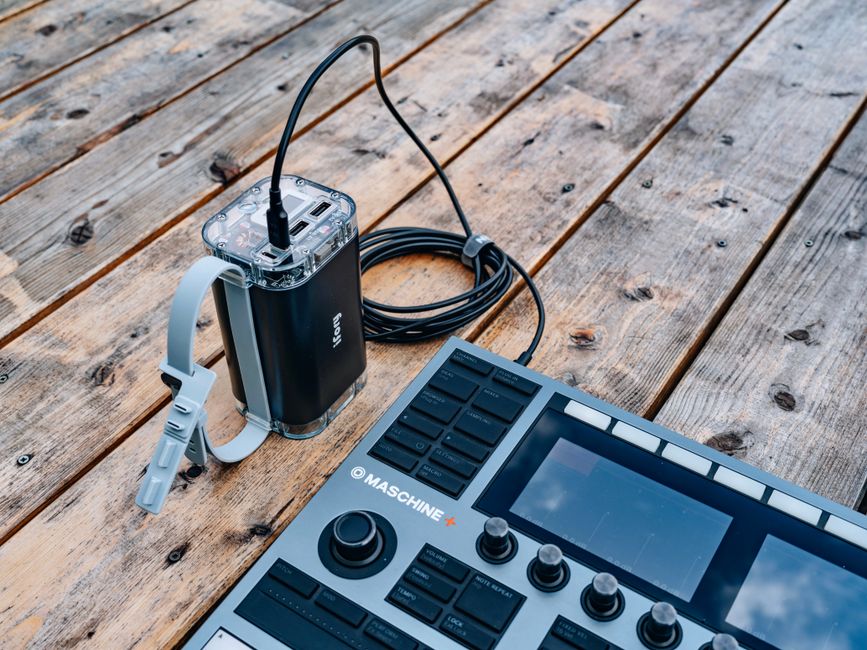
Photo by Egor Komarov
Building a Home Studio Without Breaking the Bank
You have your microphone, your headphones, and your computer. But when you hit record, the sound is thin, noisy, or missing that professional polish. A USB mixer is the missing link that transforms raw audio into a clean, mixable signal. In 2026, the market offers everything from simple 4-channel boards to 16-channel workstations, with prices spanning $49.99 – $294.99. Brands like Home, FIFINE, TKLBLS and more dominate the space, each offering different trade-offs in channels, effects, and connectivity. This guide reviews 10 top-rated USB mixers to help you find the one that fits your home studio and budget.
The wrong mixer can introduce noise, limit your recording options, or lack the phantom power needed for condenser microphones. On the other hand, a well-chosen USB mixer gives you clean preamps, flexible routing, and onboard effects that save time in post-production. Whether you record vocals, instruments, or podcasts, the right mixer streamlines your workflow and elevates your sound.
A great home studio USB mixer combines several key features: sufficient inputs for your microphones and instruments, high-quality preamps with low noise, phantom power for condenser mics, and direct USB recording to your DAW. Bluetooth connectivity is a bonus for backing tracks, while built-in effects like reverb and compression reduce the need for external processors. Portability matters too, especially if you record in different spaces.
In 2026, the USB mixer market has expanded with models ranging from compact 4-channel boards under $50 to professional 16-channel consoles above $250. The trade-off is typically between channel count and effects quality versus build and preamp performance. For most home studios, a mixer with 6 to 10 inputs, 48V phantom power, and USB recording covers the essentials. Higher-priced models often add superior preamps, more flexible EQ, and durable metal construction.
To give you a complete picture, we compared 10 USB mixers side by side, evaluating channel count, preamp quality, connectivity options, effects, and overall value. Each product is detailed below with pros, cons, and best-use recommendations. Let us help you find your next audio upgrade.

2

3

The K-mxerpro 8-channel mixer combines Bluetooth streaming, USB recording, and phantom power in a compact soundboard, making it a solid choice for podcasters, small gigs, and home studios. Its flexible inputs and built-in effects deliver clean, controllable audio without breaking the bank.
Pros & Cons
Pros
- Versatile I/O: eight channels with XLR and 1/4-inch inputs, plus REC/TAPE and headphone monitoring, cover everything from vocals to keyboards.
- USB recording and Bluetooth playback make it simple to capture sessions or stream music from any device without extra adapters.
- Hands-on control with per-channel EQ, gain, and effects sends lets you shape your sound in real time, which is crucial for live performance.
- Lightweight, low-profile housing and dust-resistant knobs add durability and portability for mobile musicians and content creators.
Cons
- Basic 3-band EQ and simple reverb/delay effects are functional but not as deep as higher-end digital mixers, limiting advanced sound design.
- No USB interface for multi-track recording, only stereo output to a computer, so it's better for live mixing than full studio production.
- Some users may find the build quality less rugged than premium brands at this price point, requiring careful handling on the road.
Detailed Review
The K-mxerpro 8-channel mixer is a compact analog soundboard designed for musicians, podcasters, streamers, and anyone who needs to mix multiple audio sources in live or recording settings. It offers eight input channels with XLR and 1/4-inch connectors, plus Bluetooth and USB connectivity for playing and recording audio. The built-in 48V phantom power expands your mic options, allowing you to use studio condenser microphones for vocals and acoustic instruments.
In practice, this mixer handles small performances, podcast sessions, and home recordings with ease. The per-channel gain, 3-band EQ, and effects sends give you real-time control, while the LED peak indicators help you avoid clipping. Bluetooth streaming is handy for playing backing tracks from a phone, and the USB port can be used for direct recording to a flash drive or connecting to a computer for playback and recording. The headphone output with PFL monitoring allows you to cue individual channels before sending them to the main mix.
The chassis is thin and lightweight, making it easy to pack into a gig bag or keep on a desk. Sealed rotary controls resist dust, and the faders feel smooth. However, the build is not tank-tough; you should handle it with care when transporting to shows. The effects section is basic, just reverb and delay, so if you need deep processing or multi-track USB recording, this unit will feel limited. It's best suited for live mixing and simple stereo recording rather than complex studio production.
Overall, the K-mxerpro is a practical, budget-friendly mixer for solo performers, small bands, podcasters, and content creators who want a straightforward board with flexible inputs and wireless convenience. If you require advanced digital effects or multi-channel computer recording, you should look at higher-priced digital mixers instead.
Key Features
8-channel input section: Connect up to eight microphones, instruments, or line-level sources simultaneously. Each channel has gain, 3-band EQ, and a fader, giving you complete control over every input.
Bluetooth and USB audio: Stream music from your phone, tablet, or computer, or connect a USB flash drive for playback and direct recording of the main mix. This makes it effortless to incorporate backing tracks or capture live sessions.
48V phantom power: Power condenser microphones directly from the mixer, so you can achieve studio-quality vocal and acoustic recordings without an external preamp.
Effects (reverb and delay): Add space and depth to vocals or instruments with the onboard FX section. Use the send/return controls to blend effects per channel.
Monitoring options: The 6.5mm headphone jack and PFL/AFL switches let you solo and cue channels before they hit the main mix, essential for live performances.
Durable, portable design: The slim, dust-resistant chassis is easy to transport and maintains a clean look on stage or at home.
Use Cases
The K-mxerpro 8-channel mixer shines in several real-world scenarios:
Live streaming and podcasting: Connect a dynamic or condenser mic, add a second guest mic, and stream backing audio via Bluetooth from a phone. Use the USB port to record the session directly to a flash drive.
Small band or duo performances: Run vocals, an acoustic guitar, a keyboard, and a backing track through separate channels. Dial in EQ and effects per input, then send the main output to powered speakers.
Karaoke nights: Plug in microphones for singers and a media player for music. The effects add reverb to vocals, making performances sound more polished.
Home recording: Record a stereo mix to a computer via USB or to a USB stick. While it's not a multi-track interface, it works well for capturing live jams, demos, or voiceovers.
Meetings and presentations: Use it in a conference room to mix multiple microphones and computer audio, ensuring everyone can be heard clearly.
4

5

6

The Kaschun KX04 is a compact 4-channel audio mixer with Bluetooth streaming, USB recording, and 48V phantom power, ideal for podcasters, live streamers, and small event DJs who need versatile input options in a portable package.
Pros & Cons
Pros
- Compact and lightweight for easy portability to any location
- Multiple input options (Bluetooth, USB, XLR, 6.35mm) cover most audio sources
- 48V phantom power enables use with professional condenser microphones
- Intuitive controls with smooth faders for quick adjustments during live events
Cons
- Bluetooth is input-only, so you cannot stream audio from the mixer to wireless speakers
- Sound quality is average compared to higher-end mixers, with some reviewers noting slight audio degradation
- Lacks detailed printed instructions, which may frustrate first-time users
Detailed Review
The Kaschun KX04 4-Channel DJ Audio Mixer is a budget-friendly, compact solution for content creators, podcasters, and small-event DJs who need a versatile mixing board without breaking the bank. Designed for portability, it measures just 7.87 x 6.7 x 1.57 inches and weighs under 1.5 pounds, making it easy to toss into a backpack for mobile gigs, camping trips, or live streams at outdoor locations.
In real-world use, the mixer delivers clean audio for microphones, instruments, and Bluetooth sources. The 48V phantom power allows you to use condenser mics for professional-sounding vocals, while the USB interface enables plug-and-play recording to a computer or direct MP3 playback from a flash drive. The Bluetooth function pairs quickly with smartphones or tablets for background music, but note that it only supports input, you cannot send the mixed audio wirelessly to speakers.
Build quality is decent for the price; faders and knobs feel slightly less premium than high-end models, but they function reliably. Some users reported missing instructions, so you may need to experiment with the controls or download a manual online. A few reviewers noted average sound quality compared to dedicated DJ controllers, but for karaoke, announcements, and casual mixing, it performs well.
Overall, the KX04 is a solid choice for budget-conscious podcasters, live streamers, and hobbyists who value portability and multiple input options. If you prioritize pristine audio quality or need Bluetooth output, consider spending more on a higher-tier mixer.
Key Features
Bluetooth Wireless Streaming: Stream music from your phone or tablet directly to the mixer for background tracks or intermission music, ideal for outdoor events where running cables is impractical.
USB Audio Interface & MP3 Playback: Connect to your computer via USB for instant recording or live streaming without extra drivers. The USB port also accepts flash drives for playing MP3 files, making it easy to queue songs during a campfire karaoke session.
48V Phantom Power: Powers condenser microphones, giving you clear, professional-grade vocals for podcasts recorded in a tent or live announcements at a trailhead gathering.
Multiple Input Channels: Four channels with XLR, 6.35mm, and RCA inputs let you mix microphones, guitars, keyboards, and line-level devices simultaneously, perfect for multi-source setups at outdoor parties or workshops.
Ultra-Portable Design: At just 1.57 inches tall and under 1.5 pounds, this mixer slides into any backpack, so you can bring professional audio control to remote campsites, beaches, or hiking basecamps without adding bulk.
Use Cases
Mobile Podcasting & Live Streaming: Pair the KX04 with a condenser mic and your laptop for on-the-go recording from a van, tent, or picnic table. The USB interface ensures low-latency monitoring, while Bluetooth lets you add background music from your phone.
Campfire Karaoke & Acoustic Jams: Connect a dynamic mic and a guitar or keyboard for impromptu performances. The compact size means it fits on a camp table, and the 48V phantom power supports better mics for clearer vocals around the fire.
Outdoor Events & Announcements: Use the mixer to blend announcements with background music at family reunions, church gatherings, or small weddings in a park. Multiple input channels allow you to switch between a wireless mic and a playlist from a tablet seamlessly.
Backpacking Content Creation: For adventure vloggers, the lightweight build and Bluetooth input let you record voiceovers while playing music from a phone, no heavy audio interface needed. Just pack a USB mic and this mixer for professional-sounding trail reports.
7

The Yamaha MG10XU is a 10-channel analog mixer with studio-grade D-PRE preamps, built-in SPX digital effects, and USB connectivity, delivering pristine sound quality and versatile control for podcasters, musicians, and mobile DJs.
Pros & Cons
Pros
- Exceptional sound quality with low noise floor (equivalent input noise -128 dBu) for clean recordings
- Intuitive layout and easy-to-use controls, even for beginners
- Built-in USB interface works class-compliant with Mac/PC (no drivers needed) for hassle-free recording
- Solid metal construction feels premium and road-ready
Cons
- Only two channels have one-knob compressors; all four mic channels would be more versatile
- No sweepable midrange EQ on any channel, fixed frequencies (100 Hz, 2.5 kHz, 10 kHz) limit tonal shaping
- USB recording level is not adjustable via mixer controls; must rely on DAW for monitoring and level adjustment
Detailed Review
The Yamaha MG10XU is a 10-input analog mixer that bridges the gap between affordability and professional-grade performance. Designed for small studios, live sound, podcasting, and mobile DJ work, it pairs Yamaha's renowned D-PRE discrete Class-A preamps with a built-in USB audio interface and 24 digital effects (SPX). The result is a versatile, portable mixing solution that punches above its price point.
In real-world use, the preamps deliver exceptionally clean, natural sound, whether you're miking a vocalist, acoustic guitar, or drum kit. The one-knob compressors on channels 1–2 are a standout for quick dynamic control, especially for beginners. The built-in effects (reverb, delay, chorus) are musical and easy to dial in, though switching between them on the fly is slightly tedious due to the compact layout. The USB interface works seamlessly with any DAW (tested with Pro Tools, Logic, and Serato) and even with iPads using the appropriate adapter.
Build quality is excellent: a powder-coated metal chassis and robust knobs inspire confidence for regular transport. However, the mixer can get warm at the back during extended use, and the fixed EQ frequencies (no sweepable mid) may frustrate advanced users. Also, the USB recording level is not controllable from the mixer, you must adjust in your DAW, and the metering only shows the stereo bus post-level control, not the USB send.
Despite these quirks, the MG10XU is a top recommendation for podcasters needing multiple mic inputs, home studio owners wanting an all-in-one interface, and mobile DJs requiring a compact, reliable mixer. If you need extensive EQ shaping or a fully independent monitor mix, consider higher-end models. But for the price, this is a 'buy once, cry once' investment that delivers professional results.
Key Features
D-PRE Discrete Class-A Preamps: These premium preamps use an inverted Darlington circuit to provide fat, natural bass and smooth highs, capturing every detail of your source without coloration. You get studio-quality sound even in a compact mixer.
Built-in SPX Digital Effects: Choose from 24 high-quality effects (reverb, delay, chorus, flanger, etc.) to add polish to your mix. The dedicated return channel and send control let you blend effects precisely without external gear.
One-Knob Compressors (Channels 1-2): Quickly tame peaks and add punch to vocals, guitars, or drums. Ideal for live situations where you need instant dynamic control without diving into menus.
USB Audio Interface (24-bit/192 kHz): Connect to your computer or iPad via USB for two-track recording and playback. Class-compliant on Mac, no drivers needed on Windows (ASIO recommended for low latency). Perfect for podcasting, home recording, or streaming.
3-Band EQ and High-Pass Filter: Each channel features fixed-frequency EQ (High: 10 kHz, Mid: 2.5 kHz, Low: 100 Hz) plus an 80 Hz high-pass filter to eliminate rumble and low-end noise, giving you clean, controlled mixes.
Rugged Metal Chassis: The powder-coated steel body and impact-resistant design ensure the mixer survives the rigors of touring, mobile gigs, and studio life. Weighs 7.7 lbs, solid but still portable.
Use Cases
Podcasting & Streaming: The MG10XU is ideal for multi-mic podcast setups. Connect up to four XLR microphones, apply compression and effects, and send the mix directly to your computer via USB. The built-in headphone output with separate monitor level lets you hear yourself clearly without latency.
Home Studio Recording: Use the mixer as a front-end for your DAW. Record vocals, acoustic instruments, or line-level synths with pristine preamps. The USB interface handles 44.1–192 kHz sample rates, so you can capture high-resolution audio. The effects can be used during tracking or as a creative tool during mixing.
Mobile DJ Gigs: Compact enough to fit in a DJ bag, the MG10XU provides clean sound for small venues, weddings, and parties. Connect your DJ controller, microphones for announcements, and a backup music source. The dual outputs (Main and Monitor) let you send to speakers and a separate headphone or booth mix.
Live Sound for Small Bands: Perfect for coffee shop gigs, church services, or rehearsal spaces. With four mic/line inputs, stereo channels for keyboards or backing tracks, and built-in effects, you can run a full band mix without a rack of outboard gear.
Content Creation & YouTube: Streamers and video creators can route multiple audio sources (mic, game audio, music) through the mixer and record a clean stereo mix to their computer. The one-knob compressors help keep levels consistent without manual riding.
8

The FIFINE Ampligame SC3 gaming audio mixer features XLR mic input with 48V phantom power, four independent channel sliders, and a mute button for real-time audio control. Perfect for streamers, podcasters, and outdoor content creators who want to upgrade their audio without complex setup.
Pros & Cons
Pros
- XLR input with 48V phantom power supports a wide range of professional microphones, including condenser mics.
- Individual channel sliders give you precise, real-time control over audio levels without needing to touch your software.
- Mute and monitor buttons are front-facing and easy to access, allowing quick muting and latency-free monitoring.
- Built-in sound effects and voice changer add creative options for engaging content.
- Plug-and-play USB-C connectivity works with Windows and Mac, and the compact design is highly portable.
Cons
- XLR cable not included, so you need to purchase separately for mic connection.
- Only one XLR mic input limits multi-mic setups; not ideal for interviews with multiple hosts.
- RGB lighting may be distracting in dark streaming environments if you prefer a minimalist look.
- Software update support is unknown, and some advanced features may require third-party software.
Detailed Review
The FIFINE Ampligame SC3 is a compact gaming audio mixer designed for streamers, podcasters, and content creators who need an affordable, easy-to-use interface to improve their audio quality. It features a single XLR microphone input with 48V phantom power, allowing you to connect professional condenser mics for crisp, clear voice capture. The mixer's four independent channel sliders give you individual control over mic, line-in, headphone, and line-out levels, so you can balance game audio, music, and commentary without diving into software settings.
In real-world use, the SC3 shines for solo streaming and recording. The front-facing mute and monitor buttons are intuitive and responsive, letting you cut background noise or hear yourself without latency. The built-in sound effects and voice changer add fun, creative options for engaging your audience. The RGB lighting is vibrant but not harsh, and you can freeze or flow the colors to match your stream theme. The mixer is powered via USB-C, making it easy to use with laptops or portable power banks, ideal for outdoor recording sessions or remote broadcasts.
Build quality is solid for its price point, with a sturdy plastic chassis and tactile controls that feel durable enough for regular transport. However, it's worth noting that the SC3 only supports one XLR mic input, so it's not suitable for multi-mic interviews or complex setups. Also, an XLR cable is not included, so factor that into your purchase. The mixer does not work with USB microphones, and software update support is unclear. Despite these limitations, the SC3 offers excellent value for solo creators who want a straightforward, feature-packed mixer without breaking the bank. It's best for beginner to intermediate streamers, podcasters, and outdoor content creators who prioritize portability and ease of use over advanced multi-channel capabilities.
Key Features
XLR Mic Input with 48V Phantom Power: Connect professional condenser microphones for superior audio clarity. Perfect for capturing your voice with detail, even in less-than-ideal acoustic environments like a campsite or trailhead.
Four Independent Channel Sliders: Independently adjust the volume of your microphone, line-in audio (e.g., music or game sounds), headphones, and line-out. This gives you fine-tuned control over your mix without needing to alt-tab out of your stream or recording software.
Front Mute and Monitor Buttons: Instantly mute your mic to cut background noise, and monitor your audio in real time with zero latency. These buttons are placed on the front panel for easy access during live sessions.
Built-in Sound Effects and Voice Changer: Six voice-changing modes and four customizable sound effect buttons let you add personality to your content. Record your own sounds and trigger them with a press, great for interactive streams or creative storytelling.
Controllable RGB Lighting: Choose from flowing or frozen RGB colors to match your setup or stream theme. The lights are vibrant but not distracting, adding a professional aesthetic to your broadcast.
USB-C Plug-and-Play: Connect to your PC or Mac via USB-C for both power and data. The mixer is recognized instantly without drivers, and the USB-C power input means you can run it from a portable battery pack for on-the-go use.
Use Cases
Outdoor Live Streaming: Take your stream to the trail or campsite. The SC3's compact size and USB-C power let you run it from a power bank, while the XLR input captures your voice clearly over ambient nature sounds. Use the mute button to cut wind noise instantly.
Remote Podcasting: Record high-quality podcasts from anywhere, whether you're in a cabin, at a park, or on a hiking break. The individual channel sliders let you balance your voice with background music or field recordings.
Travel Vlogging: Add professional audio to your video content without bulky gear. The SC3's lightweight design and simple controls make it easy to set up in any location, and the voice changer can add fun effects to your vlogs.
Campfire Storytelling: Engage your audience with interactive audio. Use the customizable sound buttons to add ambient effects like crackling fire or animal sounds, and the voice changer to transform your narration into different characters.
Gaming Streams: While not directly outdoor-related, the SC3 excels at home gaming streams, giving you precise control over game audio and mic levels. The RGB lighting adds flair to your setup, and the mute button ensures your stream stays clean when you need a break.
9

The TKLBLS 4-Channel Podcast Audio Mixer is a compact, affordable mixing console with 99 built-in DSP effects, 48V phantom power, and Bluetooth streaming. It's ideal for podcasters, streamers, and home studio users who need versatile input options and easy USB recording.
Pros & Cons
Pros
- Affordable price point for a feature-rich mixer with 99 DSP effects and phantom power.
- USB recording and playback allow direct connection to computers and mobile devices (OTG supported), simplifying workflow.
- PAD (-26dB) and 80Hz high-pass filter help prevent distortion from loud sources and clean up low-frequency noise.
- Compact size and Bluetooth streaming add convenience for small studios or mobile setups.
Cons
- Limited to 4 channels; may not be sufficient for larger live bands or complex setups.
- Bluetooth range is only 15 feet, which might be restrictive for some wireless streaming needs.
- No mention of included power supply or cables; may need to purchase separately.
Detailed Review
The TKLBLS 4-Channel Podcast Audio Mixer is a compact mixing console designed for podcasters, streamers, and home studio enthusiasts. It offers a versatile set of features typically found on higher-priced mixers, including 99 DSP effects, 48V phantom power, and Bluetooth connectivity.
In real-world use, the 48V phantom power reliably drives condenser microphones, delivering clear and detailed audio for vocals and instruments. The 3-band EQ on each channel provides precise tone shaping, while the PAD function and high-pass filter help manage loud sources and reduce background rumble. The built-in DSP effects add polish to recordings, though some users may find the selection of 99 presets overwhelming without a visual display.
The mixer's build quality is solid for its price range, with a compact footprint that saves desk space. USB recording and Bluetooth streaming work seamlessly, making it easy to integrate into existing setups. However, the Bluetooth range is limited to 15 feet, and the number of channels may constrain larger productions.
Overall, this mixer is an excellent choice for solo podcasters, small interview setups, or home studios on a budget. It may not suit complex live sound environments or users who require extensive routing options, but for its intended audience, it delivers strong value and performance.
Key Features
48V Phantom Power: Enables use of professional condenser microphones for crisp, studio-quality audio. Ideal for voice recording and acoustic instruments.
PAD (-26dB) & 80Hz High-Pass Filter: The PAD switch reduces input level to handle loud sources like drums or amplified instruments without clipping. The high-pass filter removes low-frequency noise such as HVAC hum or wind rumble, cleaning up your mix.
4-Channel Inputs with 3-Band EQ: Two XLR inputs support balanced and unbalanced signals, plus stereo line inputs for external devices. Each channel's 3-band EQ lets you adjust high, mid, and low frequencies to shape your sound.
99 DSP Effects: Built-in digital signal processor offers reverb, delay, and other effects to enhance vocals and add atmosphere to recordings. Effects are selectable via knob, allowing quick adjustments during live sessions.
USB Recording & Bluetooth Streaming: Connect to a computer or mobile device via USB for direct recording and playback. Bluetooth 5.0 streams audio wirelessly from your phone or tablet within 15 feet, perfect for adding backing tracks or sound effects.
Use Cases
Podcasting: Connect two microphones for host-guest interviews, apply reverb for vocal warmth, and record directly to your computer via USB. The Bluetooth feature allows wireless playback of intro music or sound effects.
Live Streaming: Use the mixer to control audio levels for your microphone and game/chat audio. The 3-band EQ helps dial in a clear voice, while DSP effects add polish without taxing your streaming software.
Home Studio Recording: Record vocals, acoustic guitar, or other instruments with condenser mics. The PAD function handles louder sources like electric guitar preamps, and the high-pass filter reduces low-end clutter.
Small Events or Meetings: Use the mixer to combine multiple microphones and a laptop for presentations or panel discussions. Its compact size makes it easy to transport between rooms or venues.
10

The FULUODE CT-80S is an 8-channel audio mixer with built-in Bluetooth, USB recording, and 48V phantom power, offering a clean sound and solid build for its price. It is best for home studios, karaoke setups, and small live performances needing multiple mic inputs.
Pros & Cons
Pros
- Solid build quality with smooth faders and knobs that feel durable.
- Clean sound with minimal noise when gain levels are properly set.
- Bluetooth connectivity works reliably with laptops and phones for convenient wireless streaming.
- Excellent value for the number of inputs and features at this price point.
Cons
- No onboard effects like reverb or echo, which may disappoint some karaoke users.
- Reports of units failing after a few uses, though most reviews indicate good reliability.
- Power supply is linear (not switching) and may be bulky for portable use.
Detailed Review
The FULUODE CT-80S is an 8-channel audio mixer designed for musicians, podcasters, and karaoke enthusiasts who need multiple inputs without breaking the bank. It features monaural inputs with 3-band EQ per channel, built-in Bluetooth 5.0 for wireless audio streaming, and USB recording capability.
In real-world use, the mixer delivers clean audio with low noise floor when gain staging is done correctly. The Bluetooth connectivity is stable and pairs easily with laptops and phones, making it great for streaming backing tracks during live sets. The 48V phantom power works reliably with condenser microphones, and the large LED display shows song names for easy navigation.
The ultra-thin chassis (only 1.57 inches thick) is surprisingly portable, though the external linear power supply adds some bulk. Build quality is solid, faders and knobs move smoothly without feeling cheap. However, the lack of built-in effects like reverb may be a drawback for karaoke users who want that polish.
Some users have reported units failing after a few uses, but the majority of reviews praise its reliability and value. The manufacturer offers a 365-day warranty, which adds peace of mind.
Recommendation: Buy this mixer if you need a budget-friendly, feature-rich board for home studio recording, small live gigs, or karaoke. Skip it if you require built-in effects or a more rugged design for heavy touring.
Key Features
8-Channel Input: Connect multiple microphones, instruments, or line-level sources simultaneously for versatile mixing.
Built-in Bluetooth 5.0: Stream music wirelessly from any Bluetooth-enabled device, eliminating cable clutter.
48V Phantom Power: Powers professional condenser microphones for crystal-clear vocal capture.
USB Recording: Record your mix directly to a computer via USB, perfect for capturing live performances or podcasts.
Ultra-Thin Design: At only 1.57 inches tall, it fits easily into backpacks or gear bags for portability.
Large LED Display: Shows song names and track information for easy navigation during performances.
Use Cases
Home Studio Recording: Ideal for musicians recording multiple instruments or vocals simultaneously with clean sound and flexible routing.
Karaoke Parties: Perfect for family gatherings or bar karaoke nights, with Bluetooth for streaming music and multiple mic inputs for duets.
Live Small Gigs: Great for bands playing coffee shops, small venues, or outdoor events needing a compact mixer with enough inputs.
Podcasting/Streaming: Use with a computer via USB for high-quality audio capture, with Bluetooth for guest call-ins or music.
Outdoor Adventures: Lightweight enough for camping trips where you want to host a campfire jam session or outdoor movie night with sound.
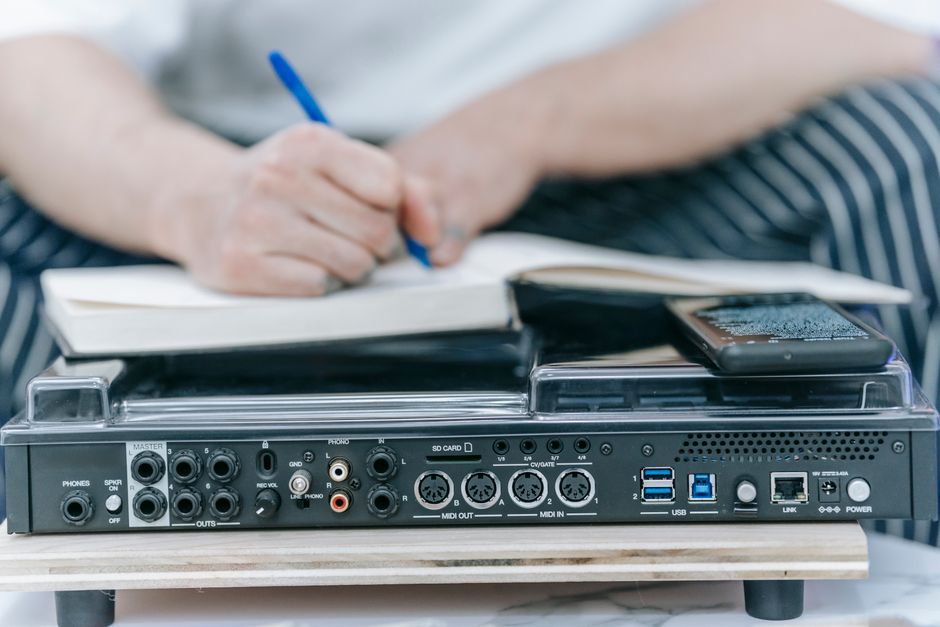
Best Usb Mixers For Home Studio Buying Guide
Choosing a USB mixer for your home studio involves understanding a few key specifications. Here are the most important factors to consider before making a purchase.
Channel Count and Inputs
The number of channels determines how many microphones or instruments you can connect simultaneously. For a solo podcaster or vocalist, 4 to 6 channels are usually enough. If you record bands or multiple guests, look for 8 to 16 channels. Also check the type of inputs: XLR for microphones, 1/4″ for instruments, and line inputs for external audio sources. Some mixers offer combo jacks that accept both XLR and 1/4″.
Consider your future needs. It is better to have one or two spare channels than to outgrow your mixer quickly. USB mixers with more channels often have more flexible routing, allowing you to send different mixes to your headphones, monitors, and recording software.
Phantom Power and Preamp Quality
Condenser microphones require 48V phantom power, which most home studio USB mixers provide via a switch or per-channel button. Dynamic mics do not need it, but having the option ensures compatibility with any microphone. Preamps with low noise and high gain headroom deliver cleaner recordings. Look for models that specify “low-noise preamps” or “high-headroom design.”
If you plan to use ribbon microphones, verify that the phantom power is safe to engage without damaging the mic. Some mixers offer a global phantom switch, while others allow per-channel activation, which is safer for mixed mic types.
Connectivity: USB, Bluetooth, and More
USB connectivity is essential for recording directly to your computer. Most modern USB mixers support USB class-compliant audio, meaning no drivers needed on macOS and Windows. Bluetooth adds the convenience of streaming backing tracks or connecting a phone for music playback. Some mixers also feature MP3 players with USB flash drive support.
Check the USB standard: USB 2.0 is sufficient for multi-track recording, but USB 3.0 offers lower latency and faster data transfer. For podcasters, mixers with a dedicated “streaming” output or direct USB recording to a flash drive simplify workflow. Also consider whether the mixer can function as an audio interface without a computer.
Built-in Effects and Processing
Effects such as reverb, delay, compression, and EQ can enhance your recordings without external gear. DSP effects are common on mid-range to higher-end mixers. Some offer 99 or more built-in presets, which are useful for live streaming or quick recordings. However, for critical music production, you may prefer to apply effects in your DAW using plugins.
Evaluate the quality of the effects. Many budget mixers include basic reverb that sounds artificial, while premium models like the Yamaha MG series offer studio-grade SPX effects. If you want to shape your sound before it hits the computer, look for a mixer with 3-band EQ per channel and a dedicated effects bus.
Build Quality and Portability
Home studio mixers should be solid enough to withstand regular use. Metal chassis (steel or aluminum) are more durable than plastic. Compact mixers are easier to fit on a desk and transport between locations. Weight is another factor: heavier mixers often indicate better internal components like toroidal transformers and robust power supplies.
Check the fader feel and knob quality. Smooth, long-throw faders give you precise control. For podcasters who frequently adjust levels on the fly, a mixer with easy-to-reach controls and a clear LED meter is invaluable. Also consider the layout: crowded panels can lead to accidental adjustments during live recordings.
Sound On Sound’s guide to choosing a USB mixer for home studio offers additional technical insights for advanced users.
Which Best Usb Mixers for Home Studio Is Right for You?
Not every USB mixer suits every home studio. We matched each model to a specific user profile based on its features, price, and performance data.
Budget-conscious home recordists on a tight budget will appreciate the EXOTON Professional Audio Mixer Console, 6 Channel with USB, Bluetooth, MP3 Input, 48V Phantom Power, Ideal for Studio, Live Performance, and DJ Use. Priced at $79.99, it offers 6 channels, Bluetooth streaming, and 48V phantom power, covering the basics for vocal recording and podcasting without breaking the bank. Its compact size fits any desk, and the built-in USB recording means you can capture audio directly to your computer.
Aspiring podcasters and streamers who want a simple all-in-one solution should consider the USB PnP for PC,Mute Button,XLR Preamp,RGB,VoiceChanger,48V Phantom Power,Monitoring,Podcast,Recording,Vocal,Streaming FIFINE Ampligame SC3 Gaming Audio Mixer with Indi-Fader and Volume Control. With over 4700 reviews and a 4.3-star average, this compact mixer includes a mute button, RGB lighting, voice changer effects, and a dedicated monitoring output. It is plug-and-play for Windows and ideal for live streaming.
Serious home studio musicians who need high-quality preamps and effects will find the YAMAHA MG10XU 10-Input Stereo Mixer with Effects an excellent choice. With 10 inputs, Yamaha’s legendary SPX effects, and 2090 reviews averaging 4.6 stars, this mixer delivers professional sound. Its 48V phantom power, 3-band EQ per channel, and USB audio interface make it a versatile workhorse for recording vocals, guitars, and keyboards.
Advanced users with large setups or those recording multiple sources simultaneously should look at the 32bit 40khz, USB Bluetooth, 48V Phantom Power, Studio Recording Podcasting DJ Show MGX16 DJ Audio Mixer 16 Channel Professional Stereo Sound Board. This 16-channel mixer with 32-bit processing and 40kHz sampling handles complex routing and offers Bluetooth connectivity. It is ideal for live performance recording, band rehearsals, or full-scale podcast productions.
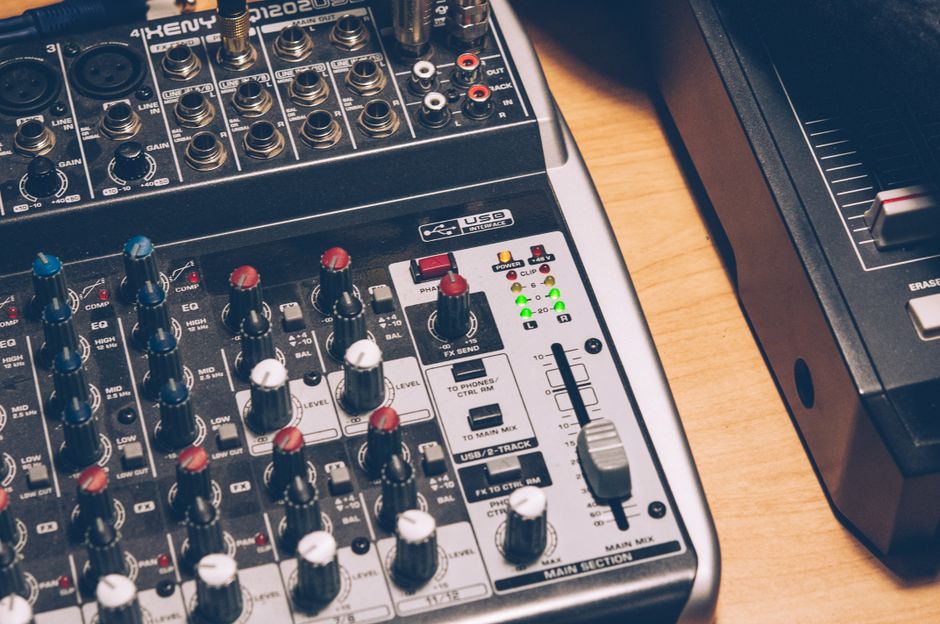
How We Choose These Products
We do not test products ourselves. Every product on this page comes from the catalogues of the retail and affiliate networks we work with, and the order reflects the data those catalogues publish: manufacturer specifications, customer rating and review counts, current price and the size of any discount.
Where this guide describes how a product performs, it is summarising what the manufacturer states and what customers report in public reviews, not our own measurements. Prices and availability change often, so check the retailer’s own page before buying. We earn a commission on purchases made through our links, at no extra cost to you.
Related Guides
- Best Tito'S Vodka Mixers Worth Buying in 2026
- Best Tequila Mixers Soda Worth Buying in 2026
- Best Svedka Mixers Worth Buying in 2026
FAQs
Do I need 48V phantom power for home studio recording?
If you use condenser microphones, yes. Most USB mixers for home studio include phantom power, but some ultra-budget models may omit it. Dynamic mics do not require phantom power, but having it ensures you can upgrade to a condenser mic later without replacing the mixer.
How many channels do I need for podcasting with multiple guests?
For a host plus two guests, a 4-channel mixer is the minimum (each person needs a mic input). However, if you plan to also connect a phone or computer for sound effects, look for 6 or 8 channels to allow for extra sources. Most home studio USB mixers with 6 to 8 channels offer enough flexibility.
Can I use a USB mixer without a computer?
Yes, many USB mixers can operate as standalone mixers for live sound or monitoring, even when not connected to a computer. The USB connection is primarily for recording or playback with a DAW. Some models also have a USB port to play audio from a flash drive directly.
What is the difference between a USB mixer and a USB audio interface?
A USB mixer is a hybrid device: it functions as a live sound mixer (with faders, EQ, effects) and also as an audio interface for recording. A standard USB audio interface typically has fewer physical controls and no mixing section. For home studios where you need both live mixing and recording, a USB mixer is more versatile. If you only need to record one or two microphones with minimal processing, a dedicated interface might be simpler.
Do built-in effects on a USB mixer sound good enough for professional recordings?
It depends on the mixer. High-end models like the Yamaha MG series use studio-quality SPX effects that are comparable to external processors. Budget mixers offer basic reverb and delay that can be useful for live streaming or practice but may not satisfy critical recording. For professional work, many engineers prefer to add effects in the DAW for more control.
Final Verdict
After evaluating 10 USB mixers across $49.99 – $294.99, we found a wide range of options suitable for different home studio needs. From budget-friendly basics to professional 16-channel consoles, the market in 2026 offers something for every type of creator.
Our top overall pick is the YAMAHA MG10XU 10-Input Stereo Mixer with Effects. With 10 inputs, superb preamps, Yamaha’s acclaimed SPX effects, and a rock-solid build, it offers the best balance of features, sound quality, and reliability for home studio recording. Its 4.6-star rating across over 2000 reviews confirms its consistent performance. If your budget allows, this mixer will serve you for years.
For the best value, the EXOTON Professional Audio Mixer Console, 6 Channel with USB, Bluetooth, MP3 Input, 48V Phantom Power, Ideal for Studio, Live Performance, and DJ Use delivers essential features at a very affordable price. It is ideal for beginners or those who need a dependable backup mixer. For podcasters and streamers, the USB PnP for PC,Mute Button,XLR Preamp,RGB,VoiceChanger,48V Phantom Power,Monitoring,Podcast,Recording,Vocal,Streaming FIFINE Ampligame SC3 Gaming Audio Mixer with Indi-Fader and Volume Control offers a compact, feature-rich solution with excellent user feedback. Whether you are starting your first home studio or upgrading your setup, these recommendations will help you capture great sound.


Join the discussion