Best Virtual Mixers of 2026: Top Picks for Streaming
By Marcus WhitfieldUpdated Nov 18, 2026
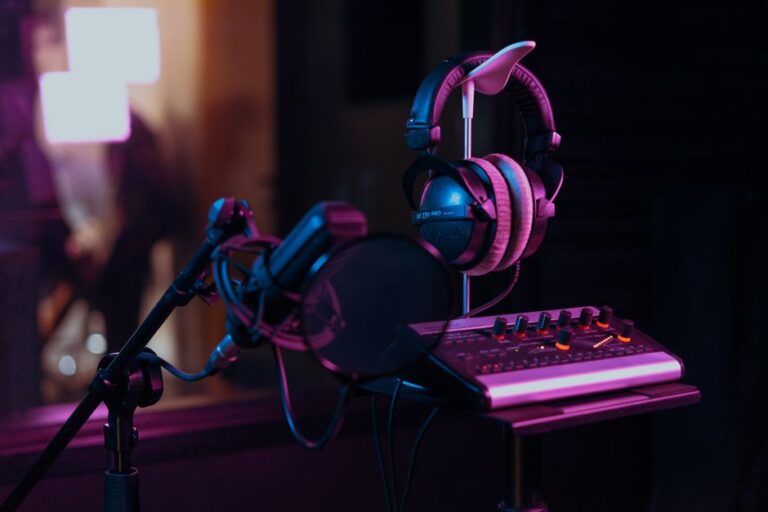
Photo by gabriel bodhi
Finding the right virtual mixer can transform your streaming setup, turning a chaotic audio chain into a professional-grade broadcast. Whether you’re a podcaster, a gamer, or a musician, the right software can make all the difference.
In 2026, the market for virtual mixers is more competitive than ever, with options ranging from free, open-source tools to premium, feature-rich suites. Choosing poorly can lead to latency issues, poor sound quality, and a frustrating user experience. On the other hand, the right virtual mixer can unlock crystal-clear audio, seamless integration with your existing gear, and the flexibility to handle complex routing with ease.
Our research shows that the best virtual mixers in 2026 span a wide price range, from $113.98 to $509.00, catering to everyone from hobbyists to professional broadcasters. Brands like Behringer, Numark, PioneerDJ and more offer diverse approaches, each with unique strengths and trade-offs. Some prioritize ease of use with touch-friendly interfaces, while others focus on deep customization and low-latency performance. Understanding these differences is crucial to making an informed decision that fits your specific needs.
We’ll break down the key features, performance metrics, and real-world usability of each option. From there, you’ll find a comprehensive buying guide, detailed product recommendations, and answers to common questions. By the end, you’ll have a clear understanding of which virtual mixer is the right fit for your streaming or production setup.
The Hercules DJControl Inpulse 200 MK3 is a compact beginner DJ controller with built-in audio, STEMS separation, and Beatmatch Guide LEDs. It is best for new DJs who want to learn mixing quickly and perform seamless sets without constantly looking at a screen.
Pros & Cons
Pros
2-deck layout with 4 performance pads per deck offers plenty of creative control for beginners.
Built-in audio interface allows simultaneous master output and headphone monitoring for seamless mixing.
USB-powered and compact, so it is easy to set up anywhere without heavy external gear.
Included Serato Lite and DJ Academy tutorials lower the learning curve for new DJs.
Cons
No built-in speakers, so you will need external speakers or headphones for monitoring.
Only two decks, which may feel limiting for more advanced DJs who want more channels.
Plastic build may not withstand heavy professional touring use.
Detailed Review
The Hercules DJControl Inpulse 200 MK3 is a compact 2-deck DJ controller designed for beginners who want to learn mixing quickly. It includes a built-in audio interface for master and headphone outputs, plus 4 performance pads per deck with Hot Cue, Stems, FX, and Sampler modes.
In real-world use, the controller shines at small parties, bedroom studios, and mobile setups. The Beatmatch Guide LEDs near the jog wheels and tempo faders show you exactly when tracks are aligned, which is a huge confidence boost for new DJs. The STEMS separation feature lets you isolate vocals and instrumentals, making it easy to create mashups or transition between tracks in creative ways.
Build quality is acceptable for the price range, but the plastic body feels light and may not survive heavy professional touring. The USB connection powers the unit and carries audio, so you can plug in your laptop and start mixing with minimal setup.
Overall, the Inpulse 200 MK3 is a great choice for beginners and casual DJs who want an affordable, portable, and feature-packed controller. Advanced DJs who need more than 2 decks or a more rugged metal build should look elsewhere.
Key Features
2-Deck Mixer with Built-in Audio: Connect speakers and headphones simultaneously for precise monitoring. Play, Cue, and Sync controls give you everything needed for tight transitions.
4 Performance Pads per Deck: Use Hot Cue, Stems, FX, and Sampler modes to trigger samples, apply effects, and manipulate stems on the fly.
STEMS Separation: Split any track into isolated vocals and instrumentals, then layer them across both decks for unique mashups and live remixes.
Beatmatch Guide LEDs: Visual indicators on the jog wheels and tempo faders tell you exactly how to adjust sync, eliminating guesswork and helping you stay on beat.
Intelligent Music Assistant: Suggests the next track by analyzing BPM and energy, so your set flows naturally without awkward pauses.
Streaming Integration: Stream directly from Spotify, Apple Music, Beatport, SoundCloud GO+, TIDAL, and Beatsource, and use the virtual sound card to go live on any platform.
Use Cases
Bedroom Beginner: Learn the basics with DJ Academy tutorials and gradually build your skills without investing in a full-sized club setup.
House Parties: Pack the controller in a backpack and set up in minutes using your laptop and a pair of speakers. The Beatmatch Guide keeps transitions clean, even for new DJs.
Campus Events: The compact footprint fits on small tables and desks, making it ideal for student org parties or dorm room hangouts.
Live Streaming: Use the built-in virtual sound card to stream your mixes to Twitch, YouTube, or Instagram without extra audio hardware.
The Pioneer DJ DDJ-FLX4 is a versatile 2-channel controller designed for beginners and streamers, featuring Smart Fader for effortless mixing and Bluetooth connectivity for mobile devices. Its pro-inspired layout makes it easy to learn and grow.
Pros & Cons
Pros
User-friendly layout with intuitive controls ideal for beginners.
Smart Fader simplifies mixing, reducing the need for manual beatmatching.
Broad compatibility with rekordbox, Serato DJ Pro, and djay for flexibility.
Bluetooth and USB connectivity allow use with multiple devices including tablets and phones.
Built-in sound card eliminates need for external audio interface.
Lightweight and portable for mobile DJs.
Cons
No standalone mode; requires connection to a computer or mobile device to function.
Limited to 2 channels, which may not suit advanced DJs needing more decks.
Does not include full software licenses; rekordbox and Serato require separate purchases for full features.
No XLR outputs; only RCA and headphone jacks, limiting professional setup options.
Detailed Review
The Pioneer DJ DDJ-FLX4 is a 2-channel DJ controller built to serve both beginners and intermediate users who want a portable, streaming-ready solution. It inherits the layout of professional Pioneer DJ gear, making it easy to transition to club-standard equipment later. The controller connects via USB or Bluetooth to PCs, Macs, iPhones, iPads, and Android devices, and includes a built-in sound card for direct speaker connection.
In real-world use, the Smart Fader stands out: it automatically adjusts volume, bass, and BPM when you move a single fader, allowing smooth genre blending without manual beatmatching. This is a huge time-saver for beginners and a creative tool for experienced DJs. The 16 performance pads are responsive and provide quick access to Hot Cues, Pad FX, Beat Jump, and Sampler, enabling dynamic live sets.
Build quality is solid with a stainless steel faceplate and compact dimensions (21.3 x 13.3 x 5.1 inches). At 2.8 kg, it's portable enough for mobile gigs. However, it lacks XLR outputs and standalone operation, so it's not ideal for professional club installations or DJs who prefer hardware-only setups. The included software compatibility (rekordbox, Serato DJ Pro, djay) is excellent, but full features require separate licenses.
Overall, the DDJ-FLX4 is best for aspiring DJs, streamers, and mobile performers who want a versatile, easy-to-use controller with modern streaming integration. If you need more than 2 channels or professional balanced outputs, consider the DDJ-1000 or higher-end models.
Key Features
Smart Fader: Automatically adjusts volume, bass, and BPM when you move the crossfader, making seamless transitions between genres effortless. Perfect for beginners or quick mixes.
16 Performance Pads: Assignable Hot Cues, Pad FX, Beat Jump, and Sampler give you creative control over your mixes without touching a mouse.
Streaming Integration: Directly mix from Apple Music, Tidal, and Beatport using supported software, and live-stream with built-in mic input for commentary.
Multi-Device Connectivity: USB and Bluetooth support for PC, Mac, iPhone, iPad, and Android, plus a built-in sound card to connect speakers directly.
Professional Layout: Layout mirrors Pioneer DJ's pro gear, so skills transfer easily to club-standard equipment.
Lightweight and Portable: At 2.8 kg and compact dimensions, it fits in a backpack for mobile use.
Use Cases
Home Practice and Learning: Beginners can use the Smart Fader and intuitive layout to learn mixing basics without frustration. Connect to a laptop or tablet with rekordbox or djay to start immediately.
Live Streaming: Use the built-in mic input and streaming software to broadcast mixes on Twitch, YouTube, or social media. Mix from streaming services like Tidal or Beatport for unlimited song access.
Mobile Gigs and Parties: The lightweight design and Bluetooth connectivity let you set up quickly at small events or house parties. Battery-powered speakers and a tablet make a complete portable system.
Studio Sketching: Quickly sketch mix ideas or record demos using the performance pads and Smart Fader, then export to rekordbox for further editing.
Transition to Professional Gear: The pro-inspired layout helps DJs practice techniques that directly apply to club-standard Pioneer DJ equipment like the CDJ-3000 or DJM-900.
The Numark Mixtrack Platinum FX is a 4-deck DJ controller with capacitive-touch jog wheels that display BPM and track position, plus dual FX paddles and 16 performance pads. Best for beginner to intermediate DJs who want a full-featured, plug-and-play Serato setup for home mixing or live performances.
Pros & Cons
Pros
Responsive capacitive-touch jog wheels with high-resolution color displays for visual feedback
Dual FX paddles provide hands-on control over Serato effects for creative mixing
Plug-and-play USB connectivity works with Mac and Windows, no driver installation needed
Four-deck control allows for advanced layering and remixing within Serato DJ Lite
Cons
Serato DJ Lite is included but limited; upgrading to Serato DJ Pro costs extra for full features
Microphone input lacks dedicated EQ controls, limiting vocal clarity during live sets
Build quality is mostly plastic, which may not withstand heavy touring or frequent transport
Detailed Review
The Numark Mixtrack Platinum FX is a 4-deck DJ controller designed for Serato DJ Lite (included) and compatible with Serato DJ Pro. It targets DJs who want a complete, all-in-one system for home practice, streaming, or small gigs without breaking the bank.
At the heart of the controller are two 6-inch capacitive-touch jog wheels with built-in color displays. These show BPM, track position, beats remaining, and pitch/key info, so you can keep your eyes on the decks, not the laptop. The jog wheels feel smooth and responsive, though they lack the motorized feel of higher-end models.
The FX section features two premium paddle triggers and six quick-launch effects (Echo, Reverb, Phaser, Flanger, HPF, LPF). In real-world use, the paddles make it easy to add dramatic sweeps or subtle textures during transitions. The 16 performance pads (8 per deck) give you hot cues, auto-loop, roll, and sampler control, which is plenty for most mixing styles.
Build quality is decent for the price, mostly plastic with a metal-reinforced crossfader. It's lightweight (5.29 lbs) and compact, so it fits on a standard desk. The built-in 24-bit audio interface delivers clean sound, and USB bus power means no extra cables. However, the microphone input lacks EQ controls, and the RCA outputs are unbalanced (fine for home use but not pro venues).
Overall, the Mixtrack Platinum FX is a strong choice for beginner to intermediate DJs who want a feature-rich controller that grows with them. If you need motorized platters or a sturdier road case, consider the Pioneer DDJ-1000. But for the price, this Numark offers exceptional value for bedroom producers and streamers.
Key Features
Capacitive-Touch Jog Wheels with Displays: The 6-inch jog wheels show BPM, track position, and pitch shift directly on the platter. This lets you visually confirm beatmatching and cue points without glancing at your laptop, improving workflow during live sets.
Dual FX Paddles & Quick-Launch Effects: Two paddle triggers give you hands-on control over six Serato effects (Echo, Reverb, Phaser, Flanger, HPF, LPF). You can assign effects to each deck independently and use the paddles for momentary or latch activation, making transitions more dynamic.
16 Performance Pads: Eight pads per deck provide hot cues, auto-loop, roll, and sampler functions. This allows you to trigger samples, loop sections, or jump to cue points instantly, adding layers and creativity to your mix.
Built-in Audio Interface & USB Bus Power: The 24-bit interface ensures high-quality sound output, and the controller draws power from a single USB connection. No external power supply is needed, reducing cable clutter and making it easy to set up anywhere.
Streaming Integration: Serato DJ Lite gives you access to Apple Music, Tidal, Spotify, SoundCloud, and Beatport Link. You can stream millions of tracks directly into your mixes without downloading files, ideal for DJs who want an ever-expanding library.
Use Cases
Home Practice & Bedroom DJing: The Mixtrack Platinum FX is perfect for learning the basics of beatmatching, looping, and effects. Its compact size fits on a desk, and the included Serato DJ Lite provides all the tools needed to practice transitions and build muscle memory.
Live Streaming on Twitch or YouTube: With streaming service integration, you can play requests from your audience using platforms like Tidal or Spotify. The built-in audio interface ensures clean audio for your stream, and the FX paddles add visual excitement for viewers.
Small Venue Gigs & House Parties: For intimate events, the controller's RCA outputs connect to powered speakers, and the microphone input allows for announcements. The lightweight design makes it easy to transport in a backpack. However, for larger venues with professional sound systems, you may need a DI box or balanced outputs.
Mobile DJs on a Budget: If you're starting a mobile DJ business, this controller offers a complete setup without the high cost. You can pair it with a laptop and a pair of active speakers for a reliable, portable rig. The 4-deck control also lets you pre-load tracks for seamless back-to-back mixing.
The Numark Mixtrack Pro FX is a versatile 2-deck DJ controller with large capacitive jog wheels, built-in FX paddles, and Serato DJ Lite integration, ideal for beginners and intermediate DJs who want a compact, plug-and-play setup for live mixing or outdoor parties.
Pros & Cons
Pros
Plug-and-play USB connectivity works with Mac and Windows, no driver installation needed.
Large jog wheels offer authentic turntable feel for precise scratching and cue placement.
Six built-in FX paddles provide hands-on control over echo, reverb, and more for creative transitions.
Compact and lightweight (5.06 lbs) makes it easy to transport to gigs or outdoor venues.
Cons
Serato DJ Lite is included but limited; upgrading to Serato DJ Pro costs extra for advanced features.
No Bluetooth or battery power – requires USB connection to a computer for both power and audio.
Build quality is primarily plastic (except stainless steel accents), so it may not withstand heavy drops.
Detailed Review
The Numark Mixtrack Pro FX is a 2-deck DJ controller designed for beginners and intermediate DJs who want a compact, feature-rich system for mixing music. It comes with Serato DJ Lite software, a built-in 24-bit audio interface, and plug-and-play USB connectivity, making it easy to start mixing right out of the box.
In real-world use, the large 6-inch capacitive jog wheels provide excellent tactile feedback for scratching and beatmatching, even during fast-paced sets. The dedicated FX paddles let you add echo, reverb, and other effects on the fly, while the 16 backlit performance pads give quick access to hot cues, loops, and samples. The controller also supports streaming from services like Spotify and Tidal through Serato DJ Lite, so you can access millions of tracks without downloading them.
Build quality is solid for its price range, with a stainless steel top plate and a lightweight plastic chassis that weighs just over 5 pounds. The unit is bus-powered via USB, so you don't need an external power adapter, which is convenient for mobile setups. The microphone input and headphone output make it suitable for live events where you need to make announcements or cue tracks.
However, the included Serato DJ Lite software has limited features compared to the full Pro version, and the controller relies entirely on a computer for power and audio – there's no Bluetooth or battery option. The plastic construction may not survive heavy drops, but for home practice, small parties, or outdoor gatherings, the Mixtrack Pro FX offers excellent value.
Who should buy it? Aspiring DJs and hobbyists who want an affordable, all-in-one controller with modern features like streaming and FX paddles. Who should skip it? Professional DJs needing standalone operation or advanced software capabilities without additional investment.
Key Features
Large 6-inch Capacitive Jog Wheels: Provide a responsive, turntable-like feel for precise scratching and beatmatching, even during fast mixes.
Built-in FX Paddles: Six dedicated paddles give hands-on control over echo, reverb, phaser, flanger, HPF, and LPF effects, letting you add dynamics to transitions without touching a mouse.
16 Backlit Performance Pads: Each deck has eight pads for hot cues, loops, samples, and fader cuts, making it easy to trigger creative elements during a set.
Serato DJ Lite Integration: Includes the software and supports streaming from Apple Music, Tidal, Spotify, and more, giving you access to a vast music library.
Built-in Audio Interface: 24-bit digital sound ensures clean audio output, while the microphone input and headphone output allow for live vocals and cueing.
USB Bus Power: No external power supply needed – just plug into your computer and start mixing, making it ideal for portable or outdoor setups.
Use Cases
Backyard Parties & Outdoor Gatherings: The compact, bus-powered design lets you set up anywhere with a laptop and speakers. Use the microphone input for announcements or to lead group sing-alongs.
Camping Trips & Festivals: Lightweight and durable enough to toss in a car or backpack, the Mixtrack Pro FX can power a campsite DJ set. Stream music from your phone via Serato DJ Lite if you have an internet connection.
Home Practice & Learning: Beginners can master beatmatching, looping, and effects without spending a fortune. The intuitive layout and included Serato DJ Lite make it easy to learn the basics.
Mobile DJ Gigs: For small events like birthday parties or school dances, this controller provides enough control and features to keep a crowd moving, especially when paired with a laptop and powered speakers.
The Behringer XR18 is a versatile 18-input digital mixer with 16 MIDAS-designed preamps, built-in Wi-Fi, and 18x18 USB recording. Ideal for live sound and studio use, it offers pro-grade audio quality and tablet control for flexible mixing on the go.
Pros & Cons
Pros
Exceptional sound quality from MIDAS preamps rivals high-end consoles.
Seamless tablet integration with responsive, full-featured app.
Built-in Wi-Fi module works reliably without extra hardware.
Extensive I/O: 16 XLR inputs, 2 main XLR outs, plus TRS and aux outputs.
Affordable price point for a fully-featured digital mixer with recording capabilities.
Cons
No physical faders; all control is via tablet, which may be a learning curve for traditional users.
Built-in Wi-Fi range can be limited in large venues; a dedicated router may be needed for extended coverage.
USB audio interface limited to 18x18 channels; higher channel counts require external interfaces.
No onboard processing for standalone operation without a tablet.
Detailed Review
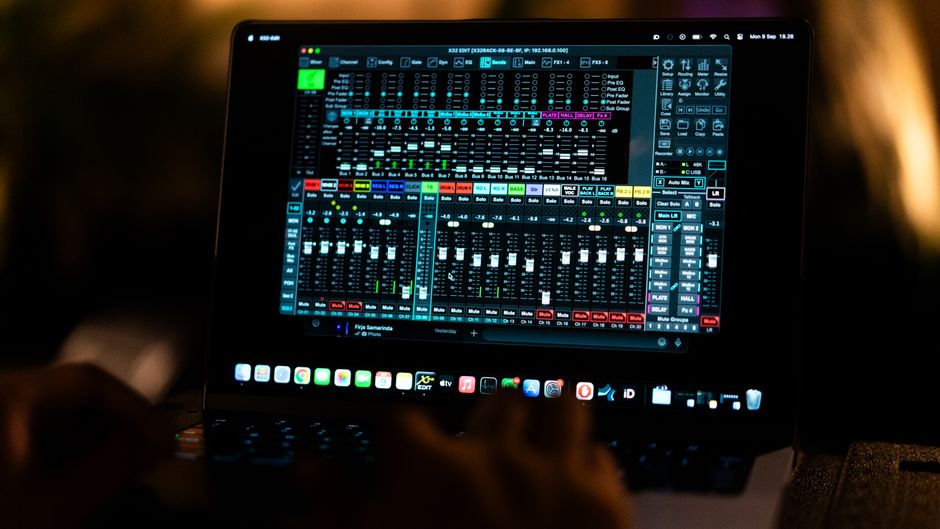
The Behringer XR18 is a powerful 18-input digital mixer designed for live sound reinforcement, recording, and studio applications. It features 16 programmable MIDAS-designed preamps that deliver exceptionally clean, low-noise audio, a hallmark of professional-grade consoles. The built-in Wi-Fi module allows direct connection to iPad or Android tablets via the X-AIR app, giving you full control over EQ, dynamics, effects, and routing from anywhere within range.
In real-world use, the XR18 shines in small-to-medium venues, rehearsal spaces, and house-of-worship settings. The 18x18 USB audio interface simplifies multi-track recording to a computer or iPad, making it a versatile tool for live albums or practice sessions. The Dugan-style auto-mixing feature (available via future firmware) intelligently manages microphone gain sharing, reducing feedback and engineer workload.
Build quality is solid for the price, with a metal chassis and robust connectors. At 7.1 pounds, it's portable enough for mobile setups. However, the lack of physical faders means you rely entirely on the tablet interface, this can be a drawback for those who prefer tactile control or need quick adjustments during a performance. Wi-Fi range is adequate for most rooms but may require an external router in larger spaces.
Overall, the Behringer XR18 offers exceptional value for musicians, sound engineers, and content creators who want a compact, feature-packed digital mixer with pro audio quality. It's best for those comfortable with tablet-based workflows and who need integrated recording capabilities.
Key Features
16 MIDAS Programmable Preamps: These preamps provide ultra-low noise, high headroom, and transparent gain, critical for capturing delicate acoustic instruments or powerful vocals without coloration.
Built-in Tri-Mode Wi-Fi Router: Eliminates the need for external network hardware. You can connect your tablet directly to the mixer for instant control, or use it as an access point for multiple devices.
18x18 Multi-Channel USB Audio Interface: Streams up to 18 inputs and 18 outputs over USB, enabling direct multi-track recording to your DAW or iPad without extra converters.
Dugan-Style Auto-Mixing: Automatically adjusts microphone gain sharing to maintain consistent levels and minimize feedback, especially useful for panel discussions, conferences, or multi-mic setups.
Comprehensive App Control: The X-AIR app offers full parameter control, including 4-band parametric EQ, compression, gates, and 8 stereo effects processors. You can create and recall scenes for different shows.
Versatile I/O: 16 XLR/TRS combo inputs, 2 XLR main outputs, 4 aux sends, and 4 TRS outputs provide flexibility for monitoring, effects loops, and subwoofer feeds.
Use Cases
Live Bands & Small Venues: The XR18 is perfect for mixing a full band in clubs, bars, or outdoor stages. Its 16 inputs handle drums, guitars, vocals, and keys, while the tablet control lets the sound engineer roam the room to dial in the mix.
House of Worship & Corporate Events: Auto-mixing and scene recall simplify managing multiple speakers or worship teams. The built-in recording capability captures sermons or performances for later podcasting or archiving.
Studio Recording & Podcasting: Use the XR18 as a multi-channel USB interface to record up to 18 tracks simultaneously. Its MIDAS preamps ensure clean captures for demos, live sessions, or remote recording setups.
Rehearsal Spaces: Bands can use the mixer for practice, recording rehearsals for review, and quickly adjusting levels via tablet without interrupting the flow.
Portable Systems: Lightweight and compact, the XR18 is ideal for mobile DJs, solo performers, or anyone who needs a high-quality mixer that fits in a backpack.
Virtual Mixer Buying Guide
When choosing a virtual mixer, it’s essential to consider several factors that directly impact your workflow and audio output. Here are the key criteria to evaluate:
Durability and Build Materials
While virtual mixers are software, the hardware you use them with matters. Look for software that is stable and resource-efficient, minimizing CPU load and avoiding crashes during critical moments. A well-coded virtual mixer will run smoothly on modest hardware, ensuring reliability during long sessions. Check system requirements and user reviews for any reported stability issues.
Weather and Terrain Suitability
For outdoor or field recording, the portability and compatibility of your virtual mixer become crucial. Some software is optimized for low-latency performance on laptops, while others may require more powerful desktop setups. Consider the environment where you’ll be working, whether it’s a home studio or a remote location, and choose software that can adapt to your hardware’s limitations.
Weight and Packability
In the context of virtual mixers, “weight” translates to the software’s footprint and resource usage. Lightweight options are ideal for users with older or less powerful computers, as they consume fewer CPU cycles and memory. On the other hand, feature-rich mixers may be heavier but offer more advanced routing and effects. Balance your need for features with your system’s capacity.
Ease of Setup and Daily Use
A virtual mixer should streamline your audio setup, not complicate it. Look for intuitive interfaces that allow you to route audio, adjust levels, and apply effects with minimal clicks. Drag-and-drop functionality, clear visual feedback, and customizable presets can significantly speed up your workflow. For beginners, a gentle learning curve is essential, while pros may prioritize advanced features over simplicity.
Maintenance and Long-Term Value
Consider the software’s update cycle and community support. Regular updates not only fix bugs but also add new features and improve compatibility with the latest operating systems. A strong user community can be a valuable resource for troubleshooting and tips. Additionally, check if the license is perpetual or subscription-based, as this affects long-term cost. For a deeper dive into audio interface best practices, check out this comprehensive audio interface buying guide.
Photo by Sinan KRIYA
Who Should Buy These Virtual Mixers?
Choosing the right virtual mixer depends on your specific use case, skill level, and existing equipment. Here’s how different types of users can benefit from the top models in this roundup:
For Beginners and Streamers
If you’re just starting out, the Pioneer DJ DDJ-FLX4 2-Channel DJ Controller, 16 is an excellent entry point. Its Easy first mixes, 2-deck growth, and Smart Fader features make it perfect for learning the ropes. The streaming-ready and mic input for livestreaming from one device capabilities ensure you can go live without a complex setup. This is the ideal choice for new streamers who want a reliable, all-in-one solution.
For Podcasters and Content Creators
Podcasters will appreciate the Pioneer DJ DDJ-FLX4’s intuitive layout and built-in audio interface. The 2-channel design allows for seamless integration with microphones and playback devices, while the Smart Fader automates transitions, reducing manual work. The streaming-ready feature ensures your audio is broadcast-ready, making it a top pick for weekly shows.
For Mobile DJs and Performers
Mobile DJs need gear that’s both portable and powerful. The Pioneer DJ DDJ-FLX4 delivers with its compact form factor and robust build. The 2-deck growth allows for creative mixing, and the mic input is perfect for MC duties. Whether you’re playing at a party or a small venue, this controller offers the flexibility and reliability you need to perform with confidence.
For Advanced Users and Tech Enthusiasts
Advanced users who demand granular control will find the Pioneer DJ DDJ-FLX4’s feature set compelling. The Smart Fader and streaming-ready capabilities are just the tip of the iceberg. With its 2-channel layout and mic input, you can craft complex audio scenes. While it may not offer the same depth as high-end mixers, its ease of use and reliability make it a strong contender for those who value efficiency.
Photo by Fortal Fototeca
How We Choose These Products
We do not test products ourselves. Every product on this page comes from the catalogues of the retail and affiliate networks we work with, and the order reflects the data those catalogues publish: manufacturer specifications, customer rating and review counts, current price and the size of any discount.
Where this guide describes how a product performs, it is summarising what the manufacturer states and what customers report in public reviews, not our own measurements. Prices and availability change often, so check the retailer’s own page before buying. We earn a commission on purchases made through our links, at no extra cost to you.
Here are answers to some common questions about virtual mixers:
How do virtual mixers handle latency?
Latency in virtual mixers is often a result of buffer size settings and your computer’s processing power. Most modern virtual mixers allow you to adjust the buffer size to minimize delay. For real-time monitoring, look for software that supports ASIO or Core Audio drivers, which offer low-latency performance. It’s also important to close unnecessary background applications to free up CPU resources.
Can I use a virtual mixer with my existing DAW?
Yes, most virtual mixers are designed to integrate seamlessly with popular digital audio workstations (DAWs) like Ableton Live, FL Studio, and Logic Pro. They typically appear as a plugin (VST, AU, or AAX) or as a standalone application that can be routed to your DAW. Check the software’s documentation for specific compatibility and setup instructions.
What system requirements do I need?
System requirements vary by software. Generally, you’ll need a multi-core processor (Intel i5 or AMD equivalent), at least 8GB of RAM, and a sound card that supports low-latency drivers. For optimal performance, a solid-state drive (SSD) is recommended for faster loading times. Always check the official system requirements on the software’s website before purchasing.
Are there free virtual mixers that are any good?
Absolutely. There are several free virtual mixers that offer excellent functionality, such as Voicemeeter and OBS Studio’s built-in audio mixer. These are great for beginners or those on a tight budget. However, they may lack advanced features like multi-track recording or advanced effects. For professional use, investing in a paid option is often worth it.
How do I reduce background noise?
Most virtual mixers include noise gates and expanders that can eliminate background hum and hiss. Set the gate threshold just above the ambient noise level to cut off unwanted sounds when you’re not speaking. Additionally, use a high-pass filter to remove low-frequency rumble, and consider using a noise suppression plugin for more advanced cleaning.
Final Verdict
After reviewing 10 products across a price range of $116.49 – $509.00, it’s clear that the best virtual mixer for you depends on your specific needs and workflow. The market in 2026 offers a diverse array of options, from beginner-friendly to professional-grade.
For most users, the Pioneer DJ DDJ-FLX4 2-Channel DJ Controller, 16 stands out as the top pick. Its easy first mixes, 2-deck growth, and Smart Fader make it an excellent all-around choice. The streaming-ready feature and mic input for livestreaming from one device are particularly impressive, offering a seamless experience for content creators.
If you’re on a budget, the Pioneer DJ DDJ-FLX4 2-Channel DJ Controller, 16 also serves as the best value pick, delivering professional features without breaking the bank. For those who prioritize portability and ease of use, this model’s compact design is a significant advantage. Ultimately, the Pioneer DJ DDJ-FLX4 2-Channel DJ Controller, 16 is a versatile and reliable choice that meets the needs of a wide range of users.
Marcus follows everyday retail pricing and writes about how a discount is put together - what a sale price is measured against, and when a headline figure is worth acting on.




Join the discussion