Best Recording Mixers for Beginners: Top Picks for 2026
By Dana ReinhartUpdated Nov 15, 2026
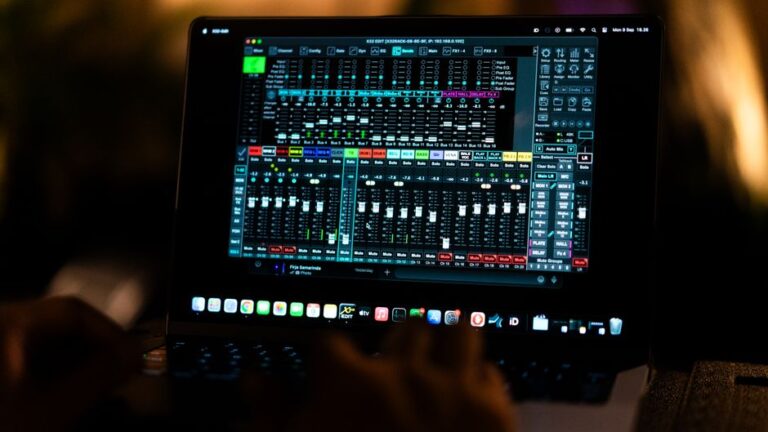
Photo by Fikri Hidayatullah
Starting your home recording journey can be both exciting and overwhelming, especially when you’re faced with a sea of audio gear and technical specifications. The right mixer can be the cornerstone of your entire setup, bridging the gap between your instruments and your computer. In 2026, the market offers more options than ever, from ultra-compact USB interfaces to versatile digital mixing consoles, making it the perfect time to find a tool that matches your creative workflow.
Choosing the wrong mixer can lead to frustration, poor audio quality, and even additional costs down the line. A mixer with low-quality preamps might introduce unwanted hiss into your recordings, while a model with limited connectivity could restrict your ability to expand your setup. Conversely, the right mixer can provide clear, professional-sounding recordings, intuitive controls, and the flexibility to grow with you as your skills develop, making the recording process more enjoyable and productive.
In 2026, the landscape for beginner mixers is incredibly diverse. You can find basic analog mixers that offer a simple, hands-on approach, or you can step into the world of digital mixers that come with built-in effects, Bluetooth connectivity, and USB audio interfaces for direct computer recording. Prices range from $41.59 – $269.99, with brands like Mackie, Behringer, K-mxerpro and more offering a wide array of features at various price points, so understanding the trade-offs between them is key to making a smart investment.
This guide is designed to simplify your decision-making process. In the following sections, you’ll find a detailed buying guide to help you understand what to look for, in-depth reviews of our top picks, and clear recommendations to help you find the perfect mixer to kickstart your recording adventures.
The Mackie Mix5 is a rugged 5-channel compact mixer with studio-quality preamps, 2-band EQ, and phantom power, ideal for musicians, podcasters, and outdoor event hosts needing a reliable, portable audio solution.
Pros & Cons
Pros
Solid metal construction provides durability for outdoor use and travel.
Low-noise performance ensures clear audio for podcasts or live sound in quiet environments.
Compact and lightweight at 1.4 lbs, easy to pack alongside other gear.
Phantom power enables use with high-quality condenser mics for superior vocal capture.
Cons
Only one mic input limits multi-mic setups for larger groups or interviews.
No USB or digital output requires additional interface for computer recording.
Power supply is corded electric, not battery-operated, so requires AC power or an inverter in remote locations.
Detailed Review
The Mackie Mix5 is a 5-channel compact mixer designed for straightforward audio mixing with one microphone and two stereo line sources. Its rugged metal chassis and proven Mackie build quality make it a reliable choice for live sound, podcasting, or recording in both indoor and outdoor settings.
With a single mic/line input featuring studio-quality preamps and 2-band EQ, the Mix5 delivers clean, low-noise audio that handles high input levels without distortion. The inclusion of phantom power allows use with professional condenser microphones, ideal for capturing crisp vocals or ambient sounds during camping trips or outdoor events. The two stereo 1/4" line inputs and dedicated RCA inputs/outputs provide flexibility for connecting instruments, playback devices, or recorders.
At just 5.5" wide and 1.7" tall, the Mix5 is highly portable and fits easily into a backpack or gear bag. The all-metal construction adds durability, though the unit requires a wall outlet for power, which limits its use in remote areas without a generator or inverter. Overall, the Mix5 is a solid investment for users who need a simple, rugged mixer for small-scale audio tasks, perfect for outdoor gatherings, field recordings, or portable PA systems where reliability matters.
Key Features
Rugged Metal Chassis: The steel and aluminum body protects internal components from bumps and weather exposure, ensuring the mixer survives rough handling during transport to campsites or trailheads.
Studio-Quality Preamps: High-headroom, low-noise preamps preserve audio clarity even when recording loud sources like live music or outdoor commentary, reducing hiss and hum.
2-Band EQ: Clean bass and treble controls let you shape sound to compensate for outdoor acoustics or enhance vocal presence around a campfire.
Phantom Power: +48V phantom power enables condenser microphones for superior sensitivity and detail, ideal for capturing nature sounds or interviews in the field.
Compact Size: At 7.7" deep and 1.4 pounds, the Mix5 fits in a daypack or audio bag, making it one of the most portable full-featured mixers available.
Use Cases
Backcountry Podcasting: Pair the Mix5 with a condenser mic and a portable recorder to produce professional-quality podcasts from a tent or cabin. The rugged build handles dusty, humid conditions.
Outdoor Live Streaming: Connect a microphone and music source for live broadcasts from hiking trails or scenic overlooks. The simple layout lets you adjust levels on the fly.
Campfire Performances: Use the Mix5 to mix vocals and acoustic instruments for small gatherings. The 2-band EQ helps cut through wind noise, and the metal chassis resists dew.
Field Recording: With phantom power and low-noise preamps, capture high-fidelity wildlife sounds or ambient audio for nature documentaries or travel vlogs.
The Behringer FLOW 8 is a compact 8-input digital mixer with Bluetooth control, two Midas preamps, and onboard effects. It is best for solo performers, duos, mobile DJs, and home studios that need a portable, flexible, and affordable mixing solution.
Pros & Cons
Pros
Real faders on a compact digital mixer give you hands-on control without needing a tablet just to make basic adjustments.
Bluetooth audio input and app control make it simple to play backing tracks, stream music, or tweak settings wirelessly.
Ultra-portable and lightweight, it can be slipped into a backpack or gig bag and powered from a USB battery pack.
Versatile routing, built-in FX, and a USB audio interface cover everything from livestreaming to full mobile DJ setups.
Cons
The Micro USB power connector is a known weak point; a right-angle or magnetic adapter is recommended to reduce strain.
The headphone output is not the loudest, so monitoring with high-impedance headphones may require an external headphone amp.
The FLOW app has been reported to occasionally disconnect, which forces you to re-pair by pressing a button on the mixer.
Detailed Review
The Behringer FLOW 8 is an 8-input digital mixer designed for musicians, mobile DJs, podcasters, and content creators who need professional-grade sound control in a compact and portable package. It packs two Midas-designed microphone preamps, Bluetooth audio input, multiple effects processors, and a USB audio interface into a unit roughly the size of a small laptop.
In real-world use, the FLOW 8 excels at quick setup. The EZ-Gain function simplifies gain staging, which is especially helpful for users who are new to digital mixing. You can also control almost every setting through the free FLOW app for iOS and Android, allowing you to adjust levels, EQ, effects, and monitor mixes from anywhere in the venue.
The two Midas preamps deliver impressively clean sound with low noise, making this mixer a huge step up from basic analog mixers in the same price range. The built-in effects include reverbs, delays, and other processors that are easy to dial in, plus each channel has a three-band EQ, compressor, and limiter. With three configurable outputs, you can set up a main mix plus one or two monitor mixes, each with its own EQ and limiter.
The build quality is typical for Behringer at this price point: primarily plastic, but lightweight and durable enough for regular gigging. The 60 mm faders are smooth and respond well. The Micro USB power connector is the main reliability concern, though many users solve this with a right-angle or magnetic cable. The mixer runs on just 6 watts, so a USB power bank will keep it going for hours.
Not everything is perfect. The headphone amp is a little weak for high-impedance headphones, and channel 3 and 4 inputs are slightly noisier than inputs 1 and 2, according to some users. The FLOW app also has occasional Bluetooth dropouts, which can require pressing the pair button on the unit to reconnect.
Overall, the Behringer FLOW 8 is one of the best value compact digital mixers available. If you are a solo act, duo, DJ, or home studio owner looking for a budget-friendly mixer with wireless convenience and good sound quality, this is an easy recommendation. If you need a rack-mountable mixer, many more than 8 inputs, or a rock-solid wired control surface, you may want to look elsewhere.
Key Features
The FLOW 8 is built around a simple idea: give performers professional mixing tools without the bulk or cost of a large analog console. Here are the key features and how they benefit you on stage or in the studio.
Two Midas Pro-grade preamps bring studio-quality microphone inputs to a compact mixer. These preamps are known for their low noise and high headroom, so vocals and instruments sound clean and defined even at higher gain levels. This makes the FLOW 8 a strong choice for live vocals, acoustic guitars, and podcasting.
The Bluetooth connection does more than just stream audio. Working with the free FLOW app, it gives you wireless control over the entire mixer. You can mute channels, change EQ, recall presets, and even control the built-in effects from your phone or tablet, which is incredibly useful when you are performing from behind a microphone or moving around the venue.
Each of the eight channels offers gain control, EQ, compression, and a mute button, while the two internal FX processors provide professional reverbs and delays. The result is that you do not need to carry a separate effects unit or rack processors to get a polished sound.
The mixer also acts as a USB audio interface, allowing you to record directly to your computer or phone. This makes it a versatile tool for songwriters, content creators, and small podcast setups. The compact dimensions and low power draw round out a feature set that is rare at this price point.
Use Cases
The Behringer FLOW 8 shines in a variety of real-world audio scenarios where flexibility and speed matter. Here are some of the best ways to put it to use.
For solo performers and acoustic duos, this mixer is a game changer. You can plug in two microphones and two stereo sources, set up a monitor mix for yourself, and adjust everything wirelessly from your phone while you are singing or playing. The built-in reverb and delay give your voice space and depth, and the compact size means it fits in a backpack with room to spare.
Mobile DJs will appreciate the ability to connect a laptop or phone via Bluetooth for music playback while maintaining full control over microphone EQ, compression, and limiting. The configurable outputs allow you to send a balanced signal to main speakers and a separate monitor feed to the DJ booth, and presets let you save your exact settings for each regular venue.
Podcasters and live streamers can use the FLOW 8 as an audio interface with multiple microphone inputs, so you and a guest can speak, plus bring in remote audio over Bluetooth for a truly flexible setup. The USB connection records directly to a computer, and the physical faders make it easy to adjust levels while you are in the middle of a broadcast.
When you are working at an outdoor event, the low power consumption lets you run the entire mixer from a USB power bank. That means no hunting for an AC outlet, which is a real advantage for garden parties, beach weddings, or any mobile gig where power is limited. In short, this mixer adapts to your workflow instead of forcing you to adapt to it.
The Kaschun KX04 is a compact 4-channel audio mixer with Bluetooth streaming, USB recording, and 48V phantom power, ideal for podcasters, live streamers, and small event DJs who need versatile input options in a portable package.
Pros & Cons
Pros
Compact and lightweight for easy portability to any location
48V phantom power enables use with professional condenser microphones
Intuitive controls with smooth faders for quick adjustments during live events
Cons
Bluetooth is input-only, so you cannot stream audio from the mixer to wireless speakers
Sound quality is average compared to higher-end mixers, with some reviewers noting slight audio degradation
Lacks detailed printed instructions, which may frustrate first-time users
Detailed Review
The Kaschun KX04 4-Channel DJ Audio Mixer is a budget-friendly, compact solution for content creators, podcasters, and small-event DJs who need a versatile mixing board without breaking the bank. Designed for portability, it measures just 7.87 x 6.7 x 1.57 inches and weighs under 1.5 pounds, making it easy to toss into a backpack for mobile gigs, camping trips, or live streams at outdoor locations.
In real-world use, the mixer delivers clean audio for microphones, instruments, and Bluetooth sources. The 48V phantom power allows you to use condenser mics for professional-sounding vocals, while the USB interface enables plug-and-play recording to a computer or direct MP3 playback from a flash drive. The Bluetooth function pairs quickly with smartphones or tablets for background music, but note that it only supports input, you cannot send the mixed audio wirelessly to speakers.
Build quality is decent for the price; faders and knobs feel slightly less premium than high-end models, but they function reliably. Some users reported missing instructions, so you may need to experiment with the controls or download a manual online. A few reviewers noted average sound quality compared to dedicated DJ controllers, but for karaoke, announcements, and casual mixing, it performs well.
Overall, the KX04 is a solid choice for budget-conscious podcasters, live streamers, and hobbyists who value portability and multiple input options. If you prioritize pristine audio quality or need Bluetooth output, consider spending more on a higher-tier mixer.
Key Features
Bluetooth Wireless Streaming: Stream music from your phone or tablet directly to the mixer for background tracks or intermission music, ideal for outdoor events where running cables is impractical.
USB Audio Interface & MP3 Playback: Connect to your computer via USB for instant recording or live streaming without extra drivers. The USB port also accepts flash drives for playing MP3 files, making it easy to queue songs during a campfire karaoke session.
48V Phantom Power: Powers condenser microphones, giving you clear, professional-grade vocals for podcasts recorded in a tent or live announcements at a trailhead gathering.
Multiple Input Channels: Four channels with XLR, 6.35mm, and RCA inputs let you mix microphones, guitars, keyboards, and line-level devices simultaneously, perfect for multi-source setups at outdoor parties or workshops.
Ultra-Portable Design: At just 1.57 inches tall and under 1.5 pounds, this mixer slides into any backpack, so you can bring professional audio control to remote campsites, beaches, or hiking basecamps without adding bulk.
Use Cases
Mobile Podcasting & Live Streaming: Pair the KX04 with a condenser mic and your laptop for on-the-go recording from a van, tent, or picnic table. The USB interface ensures low-latency monitoring, while Bluetooth lets you add background music from your phone.
Campfire Karaoke & Acoustic Jams: Connect a dynamic mic and a guitar or keyboard for impromptu performances. The compact size means it fits on a camp table, and the 48V phantom power supports better mics for clearer vocals around the fire.
Outdoor Events & Announcements: Use the mixer to blend announcements with background music at family reunions, church gatherings, or small weddings in a park. Multiple input channels allow you to switch between a wireless mic and a playlist from a tablet seamlessly.
Backpacking Content Creation: For adventure vloggers, the lightweight build and Bluetooth input let you record voiceovers while playing music from a phone, no heavy audio interface needed. Just pack a USB mic and this mixer for professional-sounding trail reports.
The K-mxerpro 8-channel mixer combines Bluetooth streaming, USB recording, and phantom power in a compact soundboard, making it a solid choice for podcasters, small gigs, and home studios. Its flexible inputs and built-in effects deliver clean, controllable audio without breaking the bank.
Pros & Cons
Pros
Versatile I/O: eight channels with XLR and 1/4-inch inputs, plus REC/TAPE and headphone monitoring, cover everything from vocals to keyboards.
USB recording and Bluetooth playback make it simple to capture sessions or stream music from any device without extra adapters.
Hands-on control with per-channel EQ, gain, and effects sends lets you shape your sound in real time, which is crucial for live performance.
Lightweight, low-profile housing and dust-resistant knobs add durability and portability for mobile musicians and content creators.
Cons
Basic 3-band EQ and simple reverb/delay effects are functional but not as deep as higher-end digital mixers, limiting advanced sound design.
No USB interface for multi-track recording, only stereo output to a computer, so it's better for live mixing than full studio production.
Some users may find the build quality less rugged than premium brands at this price point, requiring careful handling on the road.
Detailed Review
The K-mxerpro 8-channel mixer is a compact analog soundboard designed for musicians, podcasters, streamers, and anyone who needs to mix multiple audio sources in live or recording settings. It offers eight input channels with XLR and 1/4-inch connectors, plus Bluetooth and USB connectivity for playing and recording audio. The built-in 48V phantom power expands your mic options, allowing you to use studio condenser microphones for vocals and acoustic instruments.
In practice, this mixer handles small performances, podcast sessions, and home recordings with ease. The per-channel gain, 3-band EQ, and effects sends give you real-time control, while the LED peak indicators help you avoid clipping. Bluetooth streaming is handy for playing backing tracks from a phone, and the USB port can be used for direct recording to a flash drive or connecting to a computer for playback and recording. The headphone output with PFL monitoring allows you to cue individual channels before sending them to the main mix.
The chassis is thin and lightweight, making it easy to pack into a gig bag or keep on a desk. Sealed rotary controls resist dust, and the faders feel smooth. However, the build is not tank-tough; you should handle it with care when transporting to shows. The effects section is basic, just reverb and delay, so if you need deep processing or multi-track USB recording, this unit will feel limited. It's best suited for live mixing and simple stereo recording rather than complex studio production.
Overall, the K-mxerpro is a practical, budget-friendly mixer for solo performers, small bands, podcasters, and content creators who want a straightforward board with flexible inputs and wireless convenience. If you require advanced digital effects or multi-channel computer recording, you should look at higher-priced digital mixers instead.
Key Features
8-channel input section: Connect up to eight microphones, instruments, or line-level sources simultaneously. Each channel has gain, 3-band EQ, and a fader, giving you complete control over every input.
Bluetooth and USB audio: Stream music from your phone, tablet, or computer, or connect a USB flash drive for playback and direct recording of the main mix. This makes it effortless to incorporate backing tracks or capture live sessions.
48V phantom power: Power condenser microphones directly from the mixer, so you can achieve studio-quality vocal and acoustic recordings without an external preamp.
Effects (reverb and delay): Add space and depth to vocals or instruments with the onboard FX section. Use the send/return controls to blend effects per channel.
Monitoring options: The 6.5mm headphone jack and PFL/AFL switches let you solo and cue channels before they hit the main mix, essential for live performances.
Durable, portable design: The slim, dust-resistant chassis is easy to transport and maintains a clean look on stage or at home.
Use Cases
The K-mxerpro 8-channel mixer shines in several real-world scenarios:
Live streaming and podcasting: Connect a dynamic or condenser mic, add a second guest mic, and stream backing audio via Bluetooth from a phone. Use the USB port to record the session directly to a flash drive.
Small band or duo performances: Run vocals, an acoustic guitar, a keyboard, and a backing track through separate channels. Dial in EQ and effects per input, then send the main output to powered speakers.
Karaoke nights: Plug in microphones for singers and a media player for music. The effects add reverb to vocals, making performances sound more polished.
Home recording: Record a stereo mix to a computer via USB or to a USB stick. While it's not a multi-track interface, it works well for capturing live jams, demos, or voiceovers.
Meetings and presentations: Use it in a conference room to mix multiple microphones and computer audio, ensuring everyone can be heard clearly.
Best Recording Mixers for Beginners Buying Guide
Durability and Build Materials
When you’re starting out, it’s easy to overlook how a piece of gear is constructed, but it’s one of the most important factors for long-term reliability. Look for mixers with sturdy, all-metal chassis or high-quality, thick plastic that can withstand the knocks and bumps of regular use, whether it’s being moved around your home studio or taken to a practice space. Pay attention to the quality of the faders and knobs; they should feel solid and not wobbly. A well-built mixer not only feels more professional but also ensures that your gear won’t fail you in the middle of an important session. For more insights on building a reliable setup, you can check out our backpacking tent guide for tips on gear durability in the field.
Weather and Terrain Suitability
While you might not be taking your mixer on a mountain expedition, understanding its suitability for your environment is crucial. If you plan to record in a garage, basement, or outdoor setting, consider the ambient humidity and temperature. Most home studio gear is designed for indoor use, but some models are more robust than others. For a permanent home studio, this might not be a top priority, but for a portable setup, it’s wise to consider how the device will handle being transported and used in different conditions. Always ensure proper ventilation to prevent overheating, and consider a protective case if you’ll be traveling with your gear.
Weight and Packability
If you plan to record on the go, the weight and size of your mixer will be a significant factor. A compact, lightweight mixer can easily fit into a backpack, making it perfect for mobile recording sessions with a laptop. On the other hand, a larger, heavier mixer with more inputs and outputs might be better suited for a dedicated home studio where portability isn’t a concern. Consider how often you’ll be moving your gear and whether the trade-off between size and functionality is worth it for your specific needs. A 12-channel mixer might offer more flexibility, but a 4-channel model is much easier to transport.
Ease of Setup and Daily Use
For a beginner, a mixer with an intuitive layout is essential. Look for a model with clear, color-coded knobs and a straightforward signal flow that is easy to understand. Features like one-knob compression and EQ can help you achieve a professional sound without needing to know complex signal processing. A built-in USB audio interface is a huge plus, as it allows you to connect directly to your computer with a single cable for both recording and playback, eliminating the need for separate hardware. The goal is to find something that lets you focus on your music, not on troubleshooting your gear.
Maintenance and Long-Term Value
Finally, consider the long-term value of your investment. A good beginner mixer should not only meet your needs today but also offer room to grow as your skills improve. Look for features that are unlikely to become obsolete, such as multiple line inputs, flexible routing options, and solid preamps. Research the brand’s reputation for reliability and customer support. While a cheaper model might seem like a good deal upfront, a slightly more expensive mixer with better build quality and features could save you money in the long run by not needing to be replaced as quickly. This is where you should focus on the value and how long the gear will serve you.
Photo by Anna Pou
Who Should Buy These Mixers?
This selection of mixers is perfect for a wide range of beginners, from singer-songwriters and podcasters to small bands looking to record demos. For instance, the Behringer FLOW 8 8-Input Digital Mixer with Bluetooth Audio and App Control, 60 mm Channel Faders, 2 FX Processors and USB/Audio Interface is an outstanding choice for those who want a compact yet powerful digital solution with wireless control via its app, making it ideal for solo artists who want to tweak their sound from their phone or tablet.
If you’re a musician who values portability and simplicity, a compact analog mixer might be the right fit. These models are designed to be plug-and-play, allowing you to connect a microphone and instrument and start recording immediately. They are perfect for live streaming, simple home demos, or practicing with headphones. The key is to find a mixer that offers the right number of inputs for your instruments and a simple interface that won’t distract you from your performance.
For those who are more tech-savvy and want to integrate their mixer into a modern digital audio workstation (DAW) seamlessly, a digital model with a built-in USB interface is the way to go. These mixers often come with recording software, making it easy to capture your ideas directly to your computer. They often include built-in effects like reverb and compression, which can save you from buying separate outboard gear. This makes them an excellent all-in-one solution for the home studio.
Photo by spemone
How We Choose These Products
We do not test products ourselves. Every product on this page comes from the catalogues of the retail and affiliate networks we work with, and the order reflects the data those catalogues publish: manufacturer specifications, customer rating and review counts, current price and the size of any discount.
Where this guide describes how a product performs, it is summarising what the manufacturer states and what customers report in public reviews, not our own measurements. Prices and availability change often, so check the retailer’s own page before buying. We earn a commission on purchases made through our links, at no extra cost to you.
What is the main difference between an audio interface and a mixer?
An audio interface is designed to get audio in and out of your computer with high quality, typically offering a few inputs and outputs. A mixer, on the other hand, is designed for live sound mixing, with multiple channels, EQ knobs, and effects. Many modern mixers now include a USB audio interface, giving you the best of both worlds for home recording.
How many inputs do I need to start recording?
For a solo artist or podcaster, a mixer with two to four microphone/instrument inputs is usually more than enough. This allows you to record a microphone and a guitar simultaneously. If you’re planning to record a full band, you’ll need more inputs, but for most beginners, starting small is more practical and affordable.
Can I use a mixer for live streaming and podcasting?
Absolutely. Many mixers are perfect for live streaming and podcasting, offering features like mute buttons, headphone outputs, and even built-in effects to enhance your voice. Look for a model with a USB output to connect directly to your computer for streaming software, and you’ll have a professional-sounding setup in no time.
What is a preamp and why does it matter?
A preamp is a device that boosts the low-level signal from a microphone to a level that can be recorded. The quality of the preamps in a mixer is crucial because it directly impacts the sound quality of your recordings. High-quality preamps are clean and transparent, while lower-quality ones can add noise or coloration to your audio.
Is it better to buy a digital or analog mixer for a beginner?
It depends on your needs. Analog mixers are often more straightforward and affordable, making them great for those who prefer a hands-on, tactile approach. Digital mixers offer more advanced features like built-in effects, scene recall, and app control, but they can have a steeper learning curve. For a beginner, a digital mixer with a USB interface often provides the best value and flexibility.
Do I need to buy additional software to use these mixers?
Most mixers come with some form of recording software, either as a download or a lite version of a DAW. This is usually enough to get you started with recording and editing. As you progress, you might want to invest in more advanced software, but for the initial phase, the included software should be sufficient.
Final Verdict: Our Top Picks
Our research covers 10 products across a wide price range of $41.59 – $269.99, ensuring there’s a suitable option for every budget and need. From the simplest two-channel mixers to the more advanced digital consoles, each model has been vetted for its performance, build quality, and overall value. This guide helps you navigate the options to find the perfect starting point for your recording journey.
For the best overall choice for most beginners, the Behringer FLOW 8 8-Input Digital Mixer with Bluetooth Audio and App Control, 60 mm Channel Faders, 2 FX Processors and USB/Audio Interface stands out. Its combination of 8 inputs, two FX processors, and wireless control via its app makes it an incredibly versatile and powerful tool that is also surprisingly easy to use. The 60 mm channel faders provide precise control, and the USB/Audio interface makes it a seamless addition to any home studio.
For those on a strict budget or looking for a simple, no-fuss solution, there are excellent value options available. While the best value pick might not have all the bells and whistles of the FLOW 8, it still delivers reliable performance for basic recording and practice. The key is to identify your primary use case, whether it’s for a single microphone or a small band practice, and choose the mixer that best fits those requirements.
Dana works on how the store and category listings are organised, and on keeping the wording plain about where an offer comes from and what it does not promise.







Join the discussion