1
Best Music Mixers Software Reviewed for 2026

By Grady Sullivan
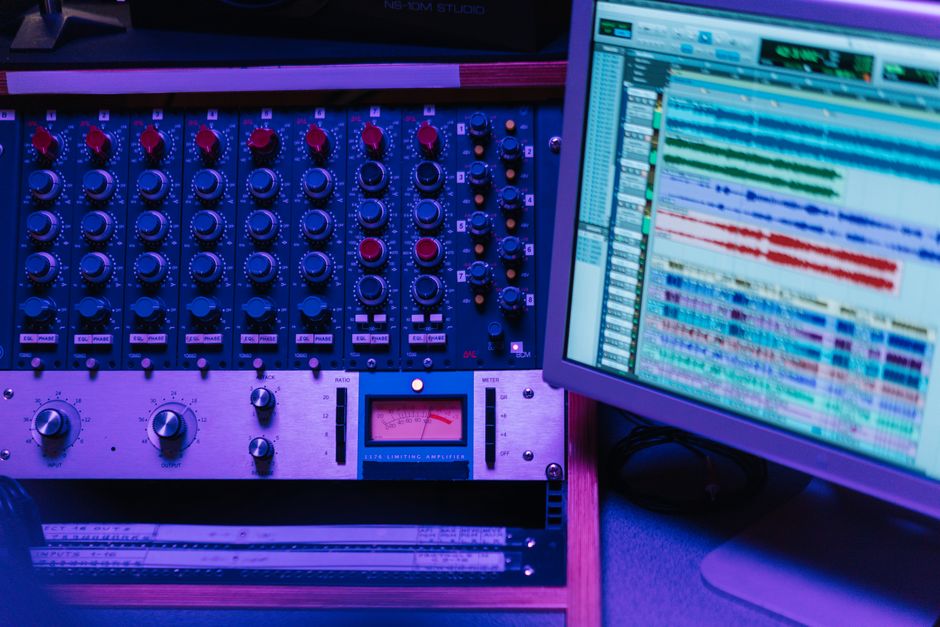
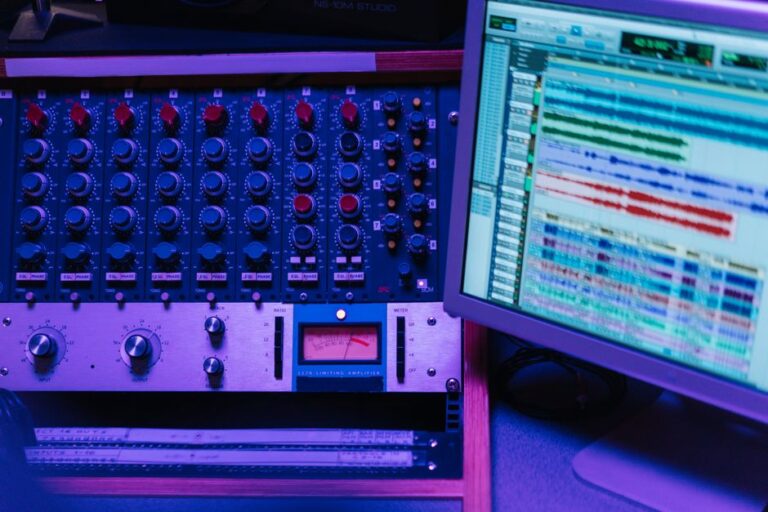
Photo by cottonbro studio
Choosing the right music mixers software can be the difference between a muddy, lifeless track and a polished, professional-sounding mix. Whether you’re a bedroom producer, a podcast host, or a live sound engineer, the tools you use shape every decision you make. In 2026, the landscape is more diverse than ever, with options ranging from free, beginner-friendly DAWs to full-featured production suites that rival professional studios. The challenge isn’t finding a tool, it’s finding the one that fits your workflow, skill level, and budget.
The consequences of choosing the wrong tool are real. You might struggle with a steep learning curve, miss out on essential features, or waste hours on a clunky interface. On the other hand, the right software can streamline your creative process, inspire new ideas, and help you achieve a radio-ready sound. It’s not just about the software itself; it’s about how it integrates with your hardware, your plugins, and your unique way of working. The right choice can unlock your potential; the wrong one can leave you frustrated and uninspired.
Today’s market offers something for everyone, from subscription-based giants to one-time purchases. You’ll find that many top-tier options are now available on a subscription model, ensuring you always have the latest features. Others remain as perpetual licenses, appealing to those who prefer to own their software outright. With prices ranging from $19.99 – $199.00, there’s a solution for every budget. However, navigating this crowded field requires a clear understanding of what each platform brings to the table, from its core mixing tools to its included instruments and effects.
This guide is designed to cut through the noise. We’ll walk you through the essential buying factors, highlight the strengths and weaknesses of each contender, and help you determine which one aligns best with your creative goals. By the end, you’ll have a clear roadmap to make an informed decision and get back to making music.

2

3

4

5

The TENLAMP G10 Creator Audio Mixer Bundle is an all-in-one audio solution for streamers and podcasters, featuring a condenser microphone, built-in noise reduction, real-time audio controls, and a unique follow-singing mode. It offers clear sound, voice effects, and easy multi-device compatibility, making it a solid choice for beginners and intermediate creators.
Pros & Cons
Pros
- Complete kit with everything needed for streaming and recording, saving time and money on separate purchases.
- Noise reduction and real-time audio controls deliver professional-quality sound without complex software.
- Multi-device plug-and-play support makes it easy to use with various platforms like OBS, Zoom, or TikTok.
- Follow singing mode is a standout feature for live performers, setting it apart from basic mixers.
Cons
- The included condenser microphone is adequate for beginners but may lack the clarity and depth of higher-end XLR mics.
- Battery-powered operation can be inconvenient for long sessions; using the USB power option is recommended.
- Build quality feels somewhat plasticky and may not withstand heavy travel or frequent setup changes.
- Limited to two audio channels, so it may not suit advanced setups requiring multiple microphone inputs.
Detailed Review
The TENLAMP G10 Creator Audio Mixer Bundle is designed for streamers, podcasters, and content creators who want an all-in-one solution without the hassle of piecing together separate components. This kit includes an audio mixer, a condenser microphone with a desk stand, pop filter, and all necessary cables, making it a complete starter package.
In real-world use, the G10 delivers clear and balanced audio thanks to its built-in noise reduction. The mixer offers intuitive controls for bass, treble, reverb, and pitch, allowing you to tailor your sound for different scenarios. The follow singing mode is a unique feature that lets you monitor the original track privately while your audience hears only your voice and music, ideal for live karaoke or vocal performances. The voice changer and sound effects add a fun, interactive element for engaging your audience.
The build quality is decent for the price point, though the plastic construction may not feel as robust as professional-grade mixers. Setup is straightforward: connect the mixer to your computer or mobile device via USB or Bluetooth, and you are ready to go without installing drivers. The mixer also supports OTG connection for smartphones and tablets.
One limitation is that the included microphone is a basic condenser that works well for voice but may not satisfy those seeking studio-grade clarity. Additionally, the mixer relies on battery power for portable use, but you can use the included USB cable for continuous power. The two-channel input is sufficient for solo or dual-mic setups but limits expansion.
Overall, the TENLAMP G10 is a practical and affordable choice for beginners and intermediate creators who want a streamlined audio setup with useful features like noise reduction, real-time control, and follow singing mode. It is best for streamers, podcasters, and live performers who value ease of use and versatility over absolute audio fidelity.
Key Features
All-in-One Audio Setup: This bundle includes everything you need to start creating: an audio mixer, condenser microphone, stand, pop filter, and cables. No additional purchases required.
Clear, Balanced Sound with Noise Reduction: The built-in noise reduction helps minimize background noise, ensuring your voice comes through cleanly even in less-than-ideal environments.
Follow Singing Mode: A unique feature that allows you to hear the original track in your monitor while your audience hears only your voice and the music. Perfect for live singing and karaoke streams.
Voice Changer & Sound Effects: Switch between different voice styles and trigger effects like applause or laughter to make your streams more engaging and interactive.
Real-Time Audio Control: Adjust bass, treble, reverb, and pitch on the fly to match your content type, whether you are chatting, gaming, or performing.
Plug & Play Multi-Device Compatibility: Works with PC, Mac, iOS, and Android without drivers. Connect via USB, Bluetooth, or OTG for seamless integration with your favorite streaming and recording software.
Use Cases
Live Streaming: Use the G10 bundle to improve your audio quality on Twitch, YouTube, or Facebook Live. The real-time controls let you adjust sound on the go, and the voice changer adds entertainment value.
Podcast Recording: Record clear, professional-sounding podcasts with the noise reduction feature. The mixer's simple interface makes it easy to manage levels for solo or dual-host shows.
Gaming Communication: Enhance your in-game voice chat and commentary with crisp audio. The mixer allows you to balance game audio and your voice, and the sound effects can add fun reactions.
Online Teaching & Meetings: Improve clarity for virtual classrooms or business meetings. The noise reduction ensures your voice is heard clearly without distracting background sounds.
Music Practice & Performance: Use the follow singing mode to practice vocals with backing tracks, or perform live on platforms like TikTok Live with a clean mix.
6

The Numark Party Mix III is a compact, beginner-friendly DJ controller with built-in beat-synced LED lights, Bluetooth MIDI, and included Serato DJ Lite, perfect for learning DJing and playing at parties.
Pros & Cons
Pros
- Built-in beat-synced LED lights create a fun, immersive party vibe without extra lighting equipment.
- Bluetooth MIDI allows wireless connection to mobile devices for spontaneous, cable-free DJing.
- Compact, USB-powered design is easy to pack and can run from a power bank, great for portable use.
- Includes full-featured DJ software (Serato DJ Lite and djay) so you can start mixing immediately.
Cons
- Bluetooth mode disables main and headphone outputs, so wired connection is recommended for full control.
- Build quality is adequate for the price, but some units may have minor cosmetic flaws or packaging issues.
- Limited to beginner and casual use; not suitable for professional gigs or large events.
Detailed Review
The Numark Party Mix III is a compact 2-deck DJ controller designed to make DJing accessible and fun for beginners. It combines intuitive controls, performance pads, Stems isolation, and a built-in beat-synced LED light show that reacts to your music. Out of the box, it includes Serato DJ Lite for Mac/Windows and Algoriddim djay for iOS/Android, so you can start mixing immediately.
In real-world use, the Party Mix III excels at small parties, backyard gatherings, and casual events. The LED lights automatically sync to the beat, creating an engaging atmosphere without needing extra lighting. The Bluetooth MIDI feature allows wireless connection to a tablet or phone, but note that Bluetooth mode disables the main and headphone outputs, so for full functionality, a wired USB-C connection is recommended. The controller is lightweight and USB-powered, making it easy to take to a friend's house or even a camping trip with a power bank.
Build quality is solid for the price point, though some users have reported minor paint imperfections on the top surface. The jog wheels are touch-capacitive and responsive, and the 3-band EQ and filter knobs provide precise mixing control. The Stems buttons let you isolate vocals, drums, or instruments in real time, a feature usually found on much more expensive controllers.
Overall, the Numark Party Mix III is an excellent entry-level DJ controller for hobbyists, party hosts, and aspiring DJs. It offers great value with its integrated light show, software bundle, and portable design. However, it is not intended for professional use or large-scale events. If you want a fun, affordable way to learn DJing and liven up small gatherings, this controller is a fantastic choice.
Key Features
Built-in LED Light Show: The controller projects colorful, beat-synced patterns that automatically move with your music, creating an instant party vibe without extra lighting gear. Perfect for indoor or outdoor events.
Bluetooth MIDI Connectivity: Wirelessly connect to iOS and Android devices using the Algoriddim djay app, allowing you to DJ from across the room. Great for spontaneous setups where cables would be inconvenient.
Included DJ Software: Comes with Serato DJ Lite for laptops and Algoriddim djay for mobile devices, so you have professional-grade tools ready to use. No additional purchase required.
Performance Pads and Stems Control: Eight backlit pads per deck give you hands-on control over Hot Cues, Auto Loops, Samples, and effects. The dedicated Stems buttons let you isolate or remove vocals, drums, and instruments for live remixes.
USB-C Power and Audio Interface: Powered via USB-C, you can run the controller from a laptop, tablet, or even a standard power bank. The built-in audio interface provides RCA main output and a headphone cue output for monitoring.
Portable and Lightweight: Weighing just 2.42 pounds and measuring 13.3 x 8.1 x 1.9 inches, the Party Mix III slips easily into a backpack. Take it to parties, camping trips, or small venues.
Use Cases
Learning to DJ at Home: The intuitive layout, Visual Beat Align indicators, and automatic Fade FX make it easy to grasp beatmatching and transitions. Beginners can practice with Serato DJ Lite or djay and build confidence before performing in front of others.
House Parties and Backyard Gatherings: The built-in LED light show transforms any room or patio into a dance floor. Bluetooth connectivity lets you control the music from your phone, and the compact size means you can set up on a table or countertop without taking up much space.
Outdoor Events and Camping: Since the controller is USB-powered, you can run it from a power bank or laptop battery. Pair it with a portable Bluetooth speaker (or wired speakers via the RCA output) and bring the party to the campsite, beach, or park.
Small Social Events: Ideal for birthday parties, baby showers, or small club mixers. The Stems control lets you create mashups on the fly, and the performance pads add dynamic effects to keep the crowd engaged.
7

The Numark MixTrack Go is an ultra-compact Bluetooth DJ controller that packs professional features like real-time Stems control and capacitive jog wheels into a backpack-friendly design, making it ideal for DJs on the move.
Pros & Cons
Pros
- Ultra-portable design fits easily in a backpack for mobile DJing.
- Bluetooth MIDI connectivity enables wireless control from smartphones and tablets.
- Real-time Stems control allows creative live remixing by isolating vocals, drums, and instruments.
- USB-C power offers flexible charging from laptops, power banks, or adapters.
- Compatible with Serato DJ Lite, Pro, Algoriddim djay, and VirtualDJ – works with your preferred software.
- Solid build quality and intuitive layout praised by both beginners and experienced DJs.
Cons
- Setup with iOS devices may require troubleshooting – some users report initial connectivity issues.
- Headphone output doubles as the main output when using the included RCA adapter, limiting direct connectivity.
- Compact size may feel cramped for DJs accustomed to larger controllers with full-size faders and buttons.
- No carrying case included – users need to purchase separate protection for transport.
- Limited number of inputs/outputs compared to professional-grade controllers.
Detailed Review
The Numark MixTrack Go is a compact Bluetooth DJ controller designed for DJs who need a portable solution without sacrificing essential features. It targets everyone from beginners learning the basics to experienced professionals seeking a lightweight backup or travel controller. The unit weighs just over a pound and measures 12.76 x 3.67 x 1.57 inches, easily sliding into a backpack or laptop bag.
Key features include capacitive touch jog wheels for precise scratching and pitch bending, eight backlit performance pads per deck for Hot Cues, Loops, Samples, and Stems, and dedicated filter knobs for each channel. The crossfader-activated Fade FX add energy to transitions. Bluetooth MIDI allows wireless connection to iOS and Android devices via the Algoriddim djay app, while USB-C power ensures you can run it from a laptop, tablet charger, or power bank. The built-in audio interface provides a 1/8-inch main output and a separate headphone output for cueing.
In real-world use, the MixTrack Go performs admirably for small parties, practice sessions, and outdoor events. The Stems control works smoothly, letting you isolate vocals or drums on the fly. The jog wheels feel responsive, and the pads are well-spaced despite the compact layout. However, the included RCA adapter (1/8-inch to stereo RCA) may feel limiting if you need direct XLR or balanced outputs. Some users reported initial difficulty connecting to iPhones, but once set up, the Bluetooth connection is stable.
Overall, the MixTrack Go offers outstanding value for its price. It is best for mobile DJs, hobbyists, or professionals needing a portable backup. If you require extensive I/O or a larger workspace, consider a full-size controller. But for on-the-go mixing, this is a top choice.
Key Features
Ultra-Compact Design: Weighs 1.1 pounds and fits in a backpack – take your DJ setup to outdoor gatherings, coffee shops, or anywhere inspiration strikes.
Bluetooth MIDI Connectivity: Wirelessly connect to smartphones and tablets running Algoriddim djay – no cables needed for spontaneous sets.
Real-Time Stems Control: Dedicated buttons and pads let you isolate vocals, drums, or instruments from any track, enabling live remixing and mashups.
Capacitive Touch Jog Wheels: Responsive jog wheels provide precise track navigation, pitch bending, and scratching – essential for professional-sounding mixes.
USB-C Power: Power the controller from your laptop, tablet charger, or a standard USB power bank – perfect for extended sessions without wall outlets.
Built-In Audio Interface: Separate 1/8-inch main and headphone outputs allow cueing and confident mixing, just like a full-size setup.
Crossfader-Activated Fade FX: Add energy and smooth transitions with effects that trigger automatically when you move the crossfader.
Use Cases
Mobile DJing at Outdoor Events: The compact size and Bluetooth connectivity make the MixTrack Go perfect for beach parties, park gatherings, or tailgates. Power it from a portable battery and control it wirelessly from your phone.
Practice and Skill Development: Beginners can learn mixing, cueing, and effects without investing in a bulky setup. The included Serato DJ Lite and djay apps provide a complete learning environment.
Backup Controller for Gigs: Experienced DJs can keep the MixTrack Go in their bag as a reliable backup. If your main controller fails, this unit can save the night with its professional features.
Travel and Commuting: Slide it into your laptop bag for practicing on flights, in hotel rooms, or during lunch breaks. The USB-C power means you can use it anywhere you have a device.
Collaborative Jam Sessions: Use the Stems control to isolate parts of songs, allowing multiple DJs to remix together in real time – great for creative workshops or impromptu sessions.
8

The AlphaTheta DDJ-FLX2 is a compact, lightweight DJ controller designed for beginners and streamers, featuring Smart Fader for automatic beatmatching and USB-C bus power for use with smartphones, tablets, or laptops. It’s ideal for anyone wanting to start mixing quickly without a steep learning curve.
Pros & Cons
Pros
- Smart Fader simplifies beatmatching for beginners and works across genres
- Compact and lightweight – easily portable for travel or small setups
- USB-C bus power eliminates need for batteries or power adapters
- Compatible with multiple DJ apps (rekordbox, djay, Serato DJ Lite) and streaming services
- Responsive jog wheels with no drift, precise faders with tactile notches
- Great value for the price – reliable performance from a trusted brand (AlphaTheta/Pioneer)
Cons
- No Bluetooth audio output – requires wired connection for speakers
- Build quality concerns reported by some users (aux port failure after limited use)
- Limited to 2 channels – not ideal for advanced DJs needing more decks
- Lacks XLR or RCA outputs – only 3.5 mm aux for speakers
- Warranty is only 1 year, and repairs can be costly after expiration
Detailed Review
The AlphaTheta DDJ-FLX2 is a beginner-friendly DJ controller that lowers the entry barrier to mixing. Designed for anyone curious about DJing, it pairs a streamlined 2-channel layout with smart features like Smart Fader, which automatically matches volume, BPM, and bass as you move the crossfader – even across different genres. This makes smooth transitions effortless for new users.
In real-world use, the controller feels solid despite its lightweight plastic and metal construction. The jog wheels are precise and free from drift, a common issue in cheaper controllers. The USB-C bus power is a standout: you can plug directly into a phone, tablet, or laptop without extra adapters or batteries, making it ideal for on-the-go practice. However, some users have reported durability issues with the aux output port after repeated use, which is a concern for long-term reliability.
The FLX2 shines for streaming-first DJs. It works seamlessly with rekordbox, djay, and Serato DJ Lite, and supports mixing from Apple Music, Spotify, Tidal, and more. This means you can start playing your favorite tracks immediately without building a local library. The included beginner DJ course is a nice bonus, helping new users learn the basics quickly.
Limitations include the lack of Bluetooth audio output (you need a wired connection to speakers) and only a 3.5 mm aux output, which may not suit all setups. Advanced users will find the 2-channel limit restrictive. Overall, the DDJ-FLX2 is an excellent starting point for beginners and a convenient portable controller for experienced DJs who want a compact practice tool. It’s not built for heavy professional use, but for learning and casual mixing, it delivers great value.
Key Features
Smart Fader: Automatically matches volume, BPM, and bass as you crossfade, making beatmatching effortless for beginners. You can focus on creative mixing instead of technical timing.
USB-C Bus Power: Runs off your phone, tablet, or laptop’s USB-C port – no external power needed. This means you can practice anywhere, from a coffee shop to your couch.
Streaming Integration: Mix tracks from Apple Music, Spotify, Tidal, and more using compatible apps like rekordbox and djay. No need to download or organize a music library – just stream and mix.
Compact & Lightweight: At 2.7 pounds and 18 x 11.7 x 4.4 inches, it fits easily in a backpack. Perfect for taking to a friend’s house or for a small desk setup.
Dual Outputs: 3.5 mm aux output for speakers and a headphone jack for cueing. You can monitor your mix privately while playing through speakers – essential for practice and small gigs.
Included DJ Course: A beginner-friendly course helps you learn the basics of DJing, from beatmatching to transitions, right out of the box.
Use Cases
Bedroom DJs: Perfect for beginners who want to learn mixing at home without spending a fortune. The Smart Fader and included course make it easy to get started.
Mobile Practice: Lightweight and USB-powered, you can DJ from your laptop or tablet while traveling, at a friend’s house, or during a commute.
Streaming DJs: If you primarily mix from streaming services like Spotify or Apple Music, this controller is built for that workflow. No need to maintain a local library.
Casual Parties: Small gatherings where you want to take over the music – just plug into a Bluetooth speaker (via aux) or laptop speakers and start mixing.
Backup Controller: Experienced DJs can use it as a portable backup for practice or small events when their main rig isn’t available.
9

10
Music Mixers Software Buying Guide
Durability and Build Materials
While software doesn’t wear out like hardware, the platform’s stability and performance under heavy load are crucial. Look for a DAW that handles large sessions without crashing, offers regular updates, and has a robust plugin architecture. A stable core is your foundation, and a reliable audio engine ensures your mix remains intact. Consider the software’s track record for stability, as frequent crashes can disrupt your creative flow. For more insights on gear that stands the test of time, you might find our backpacking tent guide interesting, though it’s a different world entirely.
Weather and Terrain Suitability
In the software world, “terrain” translates to your operating system and hardware setup. Some DAWs are optimized for macOS, others for Windows, and a few are cross-platform. Your “weather” is the type of projects you’ll tackle, electronic music, live recording, or film scoring. Ensure the software supports your preferred audio interfaces, MIDI controllers, and third-party plugins. It should feel like a natural extension of your gear, not a separate entity that requires constant translation.
Weight and Packability
This might seem odd, but the “weight” of a DAW is its CPU and memory footprint. A lightweight, efficient program runs smoothly on modest laptops, making it perfect for on-the-go production. A heavier suite might require a powerful desktop setup. Consider your portability needs. If you’re always on the move, a lean, fast-loading DAW is a blessing. If you have a dedicated studio, you can afford the extra overhead. Your workflow should stay fluid, not slowed down by your tools.
Ease of Setup and Daily Use
A smooth onboarding process is vital. Look for a DAW with an intuitive interface, clear routing, and a logical layout. The learning curve can vary dramatically. Some offer extensive tutorials and a helpful community, while others expect you to dive in headfirst. Your daily tasks, editing, arranging, mixing, should feel fluid and natural. The last thing you want is to fight the software to get your ideas across. A well-designed workflow can be the difference between a productive session and a frustrating one.
Maintenance and Long-Term Value
Software is never truly finished. Updates bring new features, bug fixes, and compatibility improvements. Consider the update policy: are major upgrades free or paid? How active is the development team? A DAW with a promising roadmap and regular updates offers better long-term value. Also, think about the ecosystem, does it come with a library of sounds, virtual instruments, and effects? These add-ons can save you money and time, but they also add to the initial cost. Weigh the total package against your budget.
Who Should Buy Which Music Mixers Software?
For the electronic music producer who needs a complete, loop-based production environment, Image Line FL Studio 20 Producer Edition stands out. Its step sequencer and piano roll are legendary, and the bundled synths and effects provide a solid foundation. This software is ideal for those who want a fast, creative workflow and a deep feature set for beat-making and arrangement. If you’re just starting, the learning curve is manageable, and you’ll quickly be laying down beats with ease.
If you’re a singer-songwriter or a band looking for a comprehensive all-in-one solution, the Music Studio 27 PRO offers a different approach. It includes a range of virtual instruments and audio tools, making it suitable for recording, editing, and mixing. This is a versatile pick for those who want a single tool to handle everything from demos to final masters. Its strengths lie in its all-in-one nature, though you might find its interface less intuitive than some competitors.
For the budget-conscious producer who doesn’t want to compromise on core functionality, the Music Studio 27 PRO again offers a compelling case. Its low price point makes it an accessible entry point into music production. While it may lack the advanced features of high-end DAWs, it covers all the basics, recording, editing, and mixing, with surprising competence. This is a great starting point to learn the ropes before committing to a more expensive platform.
How We Choose These Products
We do not test products ourselves. Every product on this page comes from the catalogues of the retail and affiliate networks we work with, and the order reflects the data those catalogues publish: manufacturer specifications, customer rating and review counts, current price and the size of any discount.
Where this guide describes how a product performs, it is summarising what the manufacturer states and what customers report in public reviews, not our own measurements. Prices and availability change often, so check the retailer’s own page before buying. We earn a commission on purchases made through our links, at no extra cost to you.
Related Guides
- Best Multitrack Recording Mixers Worth Buying in 2026
- Best Music Mixers Downloads in 2026
- Top Best Music Mixers Software Reviewed for 2026
Frequently Asked Questions
What is the best DAW for a beginner?
For beginners, a DAW with a gentle learning curve and a wealth of tutorials is key. Image Line FL Studio 20 Producer Edition is often recommended for its intuitive interface and step-by-step guides. Its pattern-based workflow makes it easy to understand the basics of sequencing and arrangement. Plus, the large community means you’ll find plenty of help online.
Are there any free DAWs that are actually good?
Yes, there are several excellent free DAWs. Music Studio 27 PRO offers a surprising amount of functionality for its price, and there are other options like Audacity for simple recordings. For a more full-featured experience, you might look at free tiers of popular DAWs or open-source alternatives. The key is to start with something simple and upgrade as your skills grow.
How much should I spend on music production software?
The amount you should spend depends on your needs and experience level. For a hobbyist, a budget-friendly option like Music Studio 27 PRO is a great starting point. For a serious producer, investing in a professional-grade DAW like Image Line FL Studio 20 Producer Edition is worth it for the advanced features and long-term support. Set a budget and prioritize features that matter most to you.
Can I use a laptop for music production?
Absolutely. Many DAWs are optimized for laptops, and with the right hardware, you can produce music anywhere. Look for a laptop with a fast processor, sufficient RAM (at least 8GB, preferably 16GB), and a solid-state drive for fast loading times. Image Line FL Studio 20 Producer Edition runs well on most modern laptops, making it a portable option.
What plugins should I get for mixing?
The plugins you need depend on your genre and workflow. At a minimum, you’ll want an EQ, compressor, and reverb. Many DAWs come with these built-in. Image Line FL Studio 20 Producer Edition includes a solid set of effects, and Music Studio 27 PRO offers a range of virtual instruments. As you grow, you can invest in third-party plugins from companies like Waves or FabFilter.
How do I avoid latency issues when recording?
Latency is a common issue, but it’s manageable. Use an audio interface with dedicated ASIO drivers to reduce buffer size. Lower the buffer size in your DAW settings for real-time monitoring. If you’re using MIDI, you can also adjust the track delay to compensate. Both Image Line FL Studio 20 Producer Edition and Music Studio 27 PRO offer settings to help you fine-tune latency.
Final Verdict
We’ve covered 10 products across a wide price range, from $19.99 – $199.00, offering a spectrum of choices for every type of producer. Each software has its unique strengths and target audience. Our goal is to help you find the one that feels like an extension of your creativity, not a hurdle. The right DAW can be a game-changer, and we’re confident that with the information here, you’re well-equipped to make the right choice.
For those just starting their journey, Image Line FL Studio 20 Producer Edition is our top pick for its balance of power and accessibility. Its pattern-based workflow is perfect for electronic and hip-hop production, and the included instruments and effects are more than enough to get you started. If you’re on a tight budget, Music Studio 27 PRO is an excellent value, providing a full-featured DAW at a fraction of the cost. It’s a fantastic starting point to learn the ropes before you commit to a more expensive platform.
Ultimately, the best music mixers software is the one that inspires you to create. We encourage you to take advantage of free trials and demos to see which workflow feels most natural. Remember, the tools are just a means to an end, the music you make is what truly matters. Happy producing!
Join the discussion