1
Top Best Home Studio Mixers for Avid Pro Tools 12 in 2026

By Nolan Fitzgerald
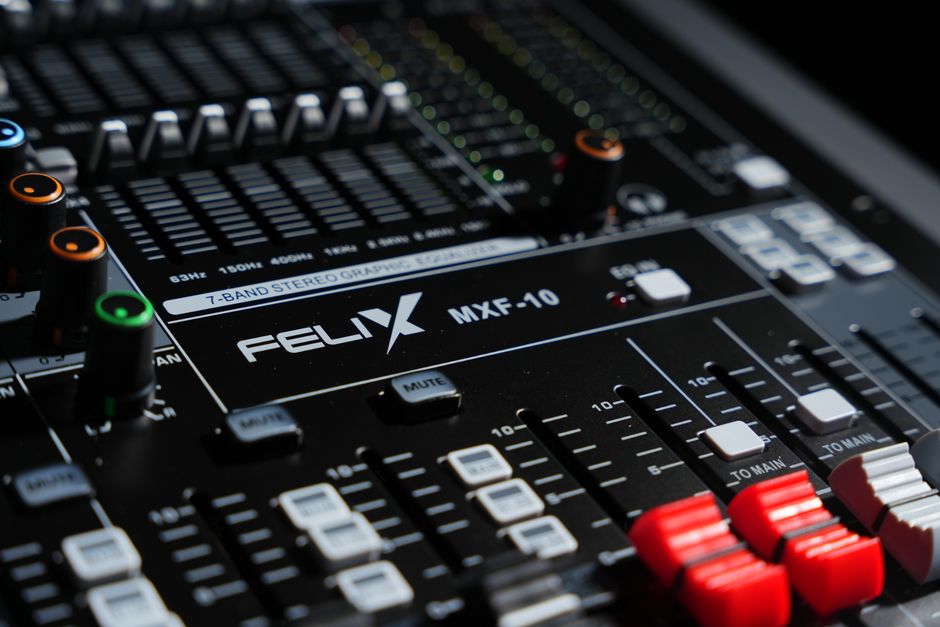
Photo by TUAN HOANG NGUYEN
Setting Up Your Home Studio With Pro Tools 12
Building a home studio that integrates smoothly with Avid Pro Tools 12 often starts with choosing the right audio mixer. Without a mixer that offers clean preamps, flexible routing, and reliable USB connectivity, you risk introducing noise, latency, and limited I/O that can stall your creative flow. Whether you are recording vocals, mixing tracks, or producing beats, the mixer you select directly affects your workflow and audio quality.
Using a mismatched mixer can lead to frustrating troubleshooting sessions, wasted time, and subpar recordings. On the other hand, a well-chosen mixer allows you to capture pristine audio, control multiple sources, and focus on your music. In 2026, the market offers a wide range of options from entry-level to professional-grade, but finding the perfect fit for your Pro Tools setup requires careful consideration.
A great best home studio mixers for avid pro tools 12 should offer enough channels for your microphones and instruments, high‑quality preamps with phantom power, built‑in effects for quick processing, and a USB audio interface for direct recording into Pro Tools. Durability matters for long‑term use, and easy‑to‑access controls save time during sessions. Many modern mixers also include Bluetooth for wireless playback and multi‑mode USB recording.
In 2026, you can find best home studio mixers for avid pro tools 12 models spanning $120.64 – $499.99, with brands like Mackie competing for attention. The trade‑offs usually involve channel count, onboard effects, build quality, and the depth of integration with digital audio workstations. Some models emphasize portability and simplicity, while others pack advanced DSP and flexible routing designed for semi‑professional and professional studios.
Our guide evaluates 10 best home studio mixers for avid pro tools 12 models based on real‑world criteria: preamp quality, I/O flexibility, effect processing, and ease of use with Pro Tools 12. We break down each product below, followed by a buying guide, tailored recommendations, methodology, FAQs, and a final verdict to help you decide.

2

The Mackie Mix12FX is a rugged 12-channel compact mixer with built-in effects, perfect for small bands, solo performers, and content creators. Its Mackie preamps and high-headroom design deliver clean, professional-quality audio in a portable and affordable package.
Pros & Cons
Pros
- Mackie preamps deliver clean, high-headroom audio for professional sound quality.
- Built-in 12 effects (reverb, delay, chorus) eliminate the need for external processors.
- Compact and lightweight design at 3.7 pounds makes it highly portable for gigs and events.
- Intuitive layout with dedicated controls for easy operation, even for beginners.
- Phantom power enables use of studio condenser microphones for high-quality recordings.
Cons
- No built-in power switch; must unplug to turn off.
- Stereo channels lack EQ controls, limiting tone shaping for stereo sources.
- Occasional quality control issues reported, so inspect unit upon arrival.
- Requires external powered speakers or amplifier; not a self-contained PA system.
Detailed Review
The Mackie Mix12FX is a 12-channel compact effects mixer designed for small bands, solo performers, podcasters, and content creators who need a reliable, portable mixing solution. With four mic/line inputs and four stereo line inputs, it offers flexibility for a variety of audio sources, from microphones and instruments to playback devices.
At the heart of the Mix12FX are Mackie's renowned preamps, which deliver clean, high-headroom sound with low noise. The built-in 12 effects (reverbs, delays, and choruses) add professional polish without the need for external processors. The 3-band EQ on each mono channel allows precise tone shaping, while the low cut filter helps eliminate unwanted rumble. Despite its compact size, the mixer feels rugged and well-built, ready for regular transport to gigs, rehearsals, or outdoor events.
However, there are a few limitations to consider. The stereo channels do not have EQ controls, which may be a drawback for some users. Additionally, the mixer lacks a power switch, so you must unplug it to turn it off. Some customers have reported quality control issues, so it's wise to test the unit upon arrival. Overall, the Mackie Mix12FX is an excellent choice for those seeking an affordable, easy-to-use mixer with great sound quality and built-in effects. It's best suited for small-scale live sound, recording, and content creation where portability and simplicity are key.
Key Features
Mackie Preamps: Studio-quality preamps provide clean, high-headroom sound, ensuring your vocals and instruments sound professional in any setting.
12 Built-in Effects: Choose from reverbs, delays, and choruses to add depth and ambiance to your mix without extra gear.
3-Band EQ with Low Cut Filter: Shape your sound precisely and eliminate low-frequency rumble for clearer mixes.
Phantom Power: Powers condenser microphones, expanding your microphone options for recording or live sound.
Compact and Rugged Design: Lightweight 3.7-pound chassis with Mackie's proven durability makes it easy to take anywhere.
Versatile Connectivity: Four mic/line inputs and four stereo line inputs accommodate a wide range of sources, plus RCA inputs/outputs for playback and recording.
Use Cases
Small Band Live Performances: The Mix12FX is ideal for mixing vocals, guitars, and keyboards in small clubs, coffeehouses, or outdoor stages. Its effects add polish, and the compact size fits easily on crowded tabletops.
Solo Musician with Backing Tracks: Connect a microphone and a playback device to the stereo inputs for a complete solo performance setup. Use the effects to enhance your vocals and blend with backing tracks seamlessly.
Podcasting and Content Creation: With multiple mic inputs and phantom power, you can record high-quality podcasts or voiceovers. The built-in effects can add a professional touch to your audio.
Outdoor Events and Camping: Pair the mixer with powered speakers for a portable PA system at campsites, picnics, or tailgate parties. Its rugged build and lightweight design make it a reliable companion for outdoor audio.
Open Mic Nights: The intuitive controls and versatile inputs make it easy for multiple performers to plug in and play, while the effects help each act sound its best.
3

4

5

6

7

8

9

10

best home studio mixers for avid pro tools 12 Buying Guide
Channels and Routing Flexibility
The number of channels determines how many microphones, instruments, or line sources you can connect simultaneously. For a home studio using Pro Tools 12, a 12‑channel mixer offers plenty of room for a few vocal mics, a stereo keyboard, and an auxiliary input. Look for mixers with at least four XLR inputs for microphones, plus dedicated line inputs for synths or drum machines. Some models also offer flexible routing, such as subgroup buses or direct outs, which let you send individual channels to separate tracks in your DAW.
When comparing channels, consider your typical recording setup. A solo producer working with one microphone and a guitar might manage with eight channels, but a small band recording live will appreciate the extra headroom of 12 channels. Also check whether the mixer allows you to assign each channel to a USB output for multitrack recording in Pro Tools; this is essential for later editing and mixing.
Preamps and Phantom Power
Preamps are the heart of any mixer. They amplify the low‑level signal from microphones to a usable line level. High‑quality preamps produce clean gain, low noise, and a flat frequency response, which is critical when recording vocals or acoustic instruments. Many mixers feature phantom power (+48V) needed for condenser microphones. Look for models that offer individual phantom switches per channel, or at least global engagement, to avoid accidental damage to ribbon mics.
In this price range, preamp quality varies. Some budget mixers use basic integrated circuits that may hiss at higher gain, while premium options incorporate discrete op‑amps or transformer‑based designs. For Pro Tools work, clean preamps with low noise floor help maintain recording clarity. We recommend reading reviews that mention preamp sound and noise performance.
Built‑in Effects and Processing
Many mixers include onboard effects such as reverb, delay, chorus, and compression. These can be useful for monitoring or for adding polish during live streaming or podcasting. However, for serious recording, you might prefer to apply effects in the box using Pro Tools plugins. If you do use built‑in effects, check the quality and number of available presets, as well as the ability to assign effects per channel or as global sends.
Some mixers offer 99 DSP effects, giving you plenty of options. Others include a 7‑band EQ on each channel for tone shaping before the signal hits your DAW. If you plan to use the mixer primarily as a control surface and interface, robust effects are less critical; clean preamps and reliable USB audio take priority.
Connectivity and USB Audio
Unquestionably, the most important feature for a home studio mixer is its USB audio interface capabilities. Most modern mixers include a built‑in USB interface that sends audio to your computer. For Pro Tools 12, you need a mixer that appears as a standard audio device and supports ASIO or Core Audio drivers. Look for multi‑track recording support, allowing each channel to be recorded as a separate track in Pro Tools. Some mixers only send the stereo mix via USB, which limits post‑production flexibility.
Additional connectivity like Bluetooth for streaming music from a phone or tablet is convenient for rehearsing or referencing tracks. Also check the type of USB connection (USB‑B is common, but USB‑C appears on newer models). A robust USB implementation with low latency is essential for real‑time monitoring and recording. According to Sound On Sound’s guide to choosing an audio interface, low latency and multi‑channel I/O are key factors for DAW integration.
Build Quality and Longevity
A mixer that you will use daily needs to withstand knocks, fader movement, and regular cleaning. Look for metal chassis, robust knobs, and well‑sealed faders. Avoid plastic frames if you plan to move the mixer often. Also consider the availability of replacement parts and support. Brands with long histories in professional audio, such as Mackie and PreSonus, often provide better long‑term reliability and service.
When evaluating build, also think about the size and weight. A compact mixer fits easily on a desk, while a full‑size console offers more spacing between controls but takes up more room. If you travel for gigs or record in different locations, a lightweight model with a carrying case is practical.
Which best home studio mixers for avid pro tools 12 Is Right for You?
Budget‑conscious beginners will appreciate the Depusheng DT12 Studio Audio Mixer 12‑Channel DJ Sound Controller Interface w/USB Drive for Computer Recording Input, XLR Microphone Jack, 48V Power, RCA Input/Output for Professional and Beginners. At $120.64 – $499.99 low end, this mixer offers USB recording, phantom power, and basic effects, making it an affordable entry point for recording vocals and instruments into Pro Tools 12.
Home studio producers seeking a feature‑packed workhorse should consider the GF12 PRO Multi‑Function 12‑Channel Audio Mixer Large LCD Color Screen Stage Performance Mixer Isolated Independent Mute Built‑in 7‑Stage Equalizer and 99 Reverb DJ Mixer for Performances. With a large LCD, independent mute per channel, 7‑band EQ, and 99 reverb effects, it combines advanced control with DSP processing. Its USB interface allows multi‑track recording into Pro Tools, and the 4.6‑star rating from over 60 users confirms its reliability.
For seamless integration with Avid Pro Tools 12, the Avid Pro Tools | Carbon Hybrid Audio Interface is the most direct choice. While not a traditional mixer, it functions as a high‑end audio interface with hybrid processing, allowing near‑zero latency recording using Pro Tools’ HDX‑like DSP. It offers advanced routing and pristine conversion, ideal for professionals who demand the tightest integration with Pro Tools.
Streamers and small bands will find the MackieAnalog mixer for streamers and small bands, with Bluetooth playback and multi‑mode USB recording ProFX12v3+ 12‑Channel Mixer, Bluetooth + USB Recording, GigFX+ perfectly suited. It includes Bluetooth for wireless music playback, multi‑mode USB recording (stereo or multi‑track), and the GigFX+ effects engine. This makes it easy to add effects during live streams or small gigs while recording directly to Pro Tools.
How We Choose These Products
We do not test products ourselves. Every product on this page comes from the catalogues of the retail and affiliate networks we work with, and the order reflects the data those catalogues publish: manufacturer specifications, customer rating and review counts, current price and the size of any discount.
Where this guide describes how a product performs, it is summarising what the manufacturer states and what customers report in public reviews, not our own measurements. Prices and availability change often, so check the retailer’s own page before buying. We earn a commission on purchases made through our links, at no extra cost to you.
Related Guides
- Best Home Food Mixers Compared and Ranked in 2026
- Best Liquor With No Mixers Reviewed for 2026
- Best Home Audio Mixers Worth Buying in 2026
FAQs
Can I use a USB mixer as an audio interface for Pro Tools 12?
Yes, most 12‑channel mixers with built‑in USB appear as a standard audio interface in Pro Tools 12. You need to select it in the playback engine settings. However, not all mixers support multi‑track recording; some only send the stereo mix. Check the specs for “USB multi‑track” or “USB recording” to ensure each channel can be recorded separately.
What is the advantage of a 12‑channel mixer over an 8‑channel model?
A 12‑channel mixer gives you extra inputs for more microphones, instruments, or line sources. This is especially useful for recording drums, a full band, or multiple vocalists simultaneously. The additional channels also provide more routing options and aux sends for outboard gear.
Do I need a mixer with built‑in effects for home recording?
Not necessarily. Pro Tools 12 includes a comprehensive suite of plugins for reverb, delay, compression, and EQ. However, built‑in effects can be helpful for monitoring or for live streaming where low latency is needed. If you prefer to mix entirely in the box, prioritize clean preamps and good USB audio over onboard effects.
How important is Bluetooth on a studio mixer?
Bluetooth is convenient for playing backing tracks or reference music from your phone without needing an extra cable. It is not critical for recording quality but can streamline your workflow. Some mixers allow Bluetooth audio to be routed through the mixerʼs outputs, which is handy for practice or quiet listening.
What is the typical latency when using a USB mixer with Pro Tools?
Latency varies by mixer and your computerʼs performance. Modern USB mixers with ASIO drivers (on Windows) or Core Audio (on Mac) can achieve latencies below 10 ms. For real‑time monitoring, many mixers offer direct monitoring without going through the computer, eliminating latency entirely. Check user reviews for reported latency in Pro Tools.
Can I expand the inputs later with an ADAT or line patch bay?
Most mixers in this guide do not have ADAT expansion. However, you can add more inputs by connecting additional preamps via line inputs or by using a separate audio interface connected via USB. Some higher‑end models (like the PreSonus StudioLive AR12c) include a built‑in USB interface that can be expanded with additional ADAT converters. Check the mixer’s specifications for digital I/O options.
Final Verdict
Our guide evaluated 10 best home studio mixers for avid pro tools 12 options spanning $120.64 – $499.99, from affordable beginner models to professional interfaces. Each mixer excels in different areas, but the best choice depends on your recording style, budget, and need for Pro Tools integration.
Our top overall pick is the GF12 PRO Multi‑Function 12‑Channel Audio Mixer Large LCD Color Screen Stage Performance Mixer Isolated Independent Mute Built‑in 7‑Stage Equalizer and 99 Reverb DJ Mixer for Performances. It earns the highest rating of 4.6 stars with over 60 reviews, offers a large color LCD for visual feedback, independent mute per channel, and 99 DSP effects. Its 7‑band EQ and USB interface make it a versatile choice for recording, mixing, and live streaming into Pro Tools.
For budget‑minded users, the Depusheng DT12 Studio Audio Mixer 12‑Channel DJ Sound Controller Interface w/USB Drive for Computer Recording Input, XLR Microphone Jack, 48V Power, RCA Input/Output for Professional and Beginners delivers solid performance at the lowest price in our roundup, with clean preamps and USB recording. If you need seamless Pro Tools hardware integration, the Avid Pro Tools | Carbon Hybrid Audio Interface is the most direct option, though it comes at a higher investment.
Join the discussion