1
Best FPS Gaming Mouse More Than Two Side Buttons Worth Buying in 2026

By Eleanor Brisco
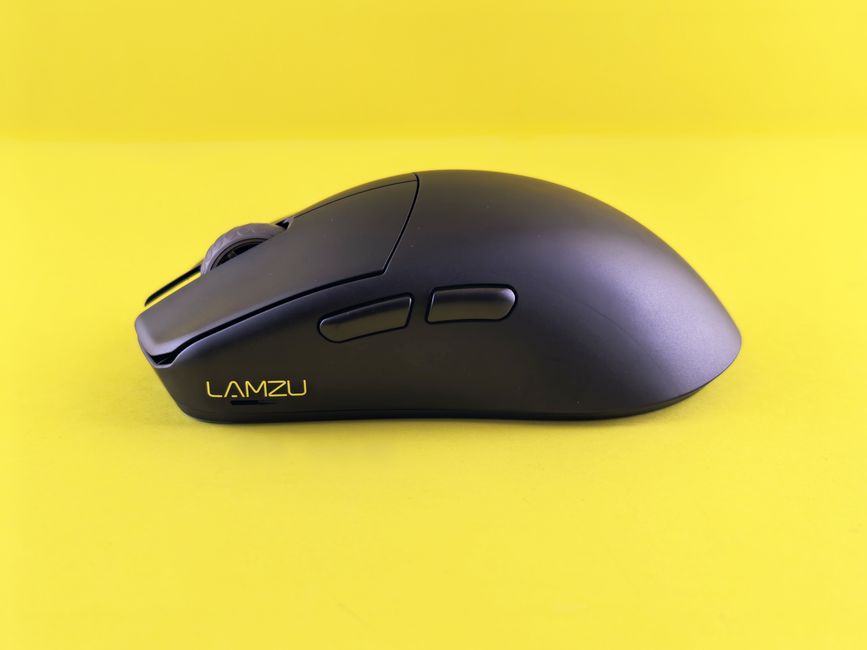
Photo by Andrey Matveev
Why Extra Side Buttons Matter for FPS Gaming
In the heat of a competitive match, every millisecond counts. Having a mouse that lets you execute complex commands without lifting your fingers can be the difference between victory and defeat. For FPS players, the ability to map actions like weapon swaps, grenade throws, or crouch slides to dedicated side buttons means faster reactions and smoother gameplay. But not all multi-button mice are created equal. Some prioritize sheer button count over ergonomics, while others balance programmability with a shape that suits fast, twitch-based aiming.
Choosing the wrong mouse can lead to accidental presses, hand fatigue during long sessions, or a sensor that lags just when you need precision. On the other hand, a well-designed mouse with more than two side buttons can streamline your keybinds and give you a genuine competitive advantage. Whether you play tactical shooters like Valorant or fast-paced arena games like Overwatch, the right peripheral helps you stay one step ahead.
What makes a great FPS gaming mouse with extra side buttons? First, the sensor must offer high DPI with smooth tracking and no acceleration. Second, the button layout should be intuitive so you can find each button by feel without looking. Third, build quality matters: durable switches and a comfortable grip reduce fatigue during extended play. Finally, software customization allows you to save profiles and adjust macros on the fly.
In 2026, the market offers options across $21.99 – $179.00, from budget-friendly models with basic macro support to premium wireless mice with swappable side plates and optical switches. Brands like dominate the space, each trading off features like battery life, weight, and button count. Understanding these trade-offs helps you pick the mouse that fits your playstyle.
This guide evaluates 10 models based on button layout, sensor performance, build quality, and real-world usability. We break down each mouse’s strengths and weaknesses so you can decide which one belongs on your desk. If you’re also looking for a broader upgrade, our gaming mouse recommendations cover top performers across genres.

2

3

4

5

6

7

8

9

10

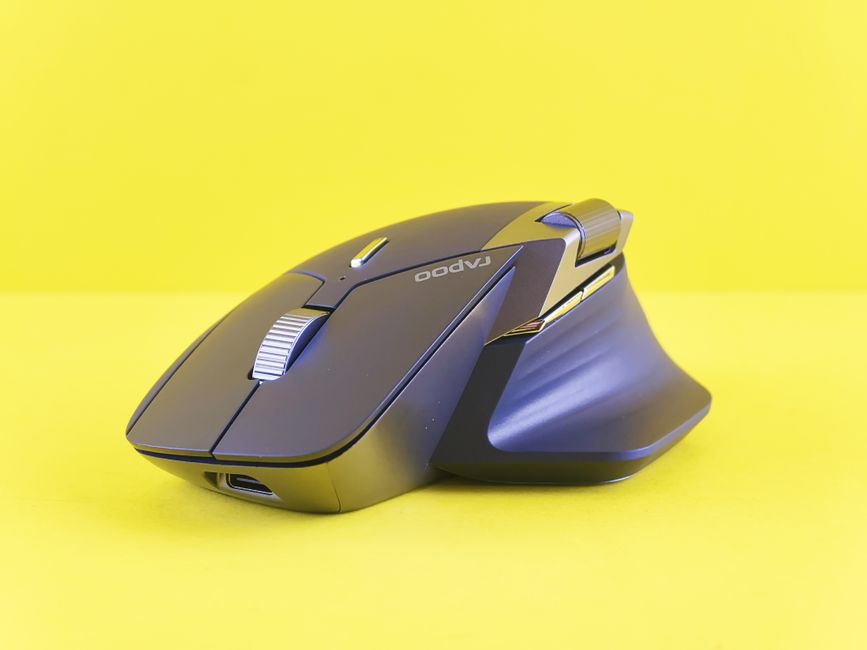
best fps gaming mouse more than two side buttons Buying Guide
Button Layout and Programmability
More buttons aren’t always better. The key is how they’re positioned and how easily you can reach them without shifting your grip. Look for mice with a natural thumb rest area and buttons that are spaced apart enough to avoid accidental clicks. Some models offer swappable side plates to customize the layout for different game genres. Software that allows per-game profiles and macro recording adds significant value.
For FPS games, you typically need 2 to 4 extra buttons that you can assign to essential actions. Avoid mice with too many buttons crammed into a small area, as this leads to confusion during intense moments. Test the button feel: they should have a crisp actuation without being too stiff or too mushy.
Sensor Performance and DPI
The sensor is the heart of any gaming mouse. For FPS, you want a optical sensor with a high DPI range (at least 12,000 DPI) and zero acceleration or interpolation. Look for models with a native DPI that matches your sensitivity preference. Many modern sensors offer adjustable lift-off distance and angle snapping settings to fine-tune tracking.
Check reviews for sensor performance at different DPI steps. Some budget mice may skip DPI steps or introduce jitter at high settings. A reliable sensor ensures your crosshair moves exactly where you intend, which is critical for flick shots and tracking targets.
Build Quality and Ergonomics
A mouse that feels good in your hand for hours is essential. Consider your grip style: palm, claw, or fingertip. The shape should support your grip without forcing your hand into an unnatural position. Weight also matters: lighter mice (under 80 grams) are favored for fast movements, while heavier mice provide stability for low-sensitivity players. Materials like textured rubber grips can prevent slipping during sweaty sessions.
Durability is another factor. Look for mice with mechanical or optical switches rated for millions of clicks. The cable, if wired, should be braided and flexible to avoid drag. Wireless models should have low latency and good battery life. For more on ergonomic design principles, refer to PC Gamer’s guide to gaming mouse ergonomics.
Connectivity and Latency
Wired mice offer the lowest latency and no battery anxiety, but the cable can be a nuisance. Wireless technology has improved dramatically; many modern wireless mice achieve sub-1ms response times that are indistinguishable from wired. If you go wireless, ensure it uses a 2.4 GHz connection rather than Bluetooth for gaming. Also consider battery life: some models last over 200 hours on a single charge.
For competitive FPS, latency is critical. Even a few milliseconds of delay can throw off your aim. Test the mouse’s polling rate; 1000 Hz (1 ms) is the standard for gaming. Some high-end mice offer adjustable polling rates.
Software and Customization
Good software lets you remap buttons, create macros, adjust DPI settings, and save profiles to onboard memory. Avoid mice that require always-on software or have clunky interfaces. Look for cloud-based profile storage if you switch between multiple PCs. RGB lighting is a bonus but not essential; it can be turned off to save battery on wireless models.
Some brands offer deep customization like adjustable weight systems or swappable side plates. These features add cost but can tailor the mouse exactly to your preferences. For most FPS players, reliable software with simple macro creation is enough.
Which best fps gaming mouse more than two side buttons Is Right for You?
If you’re on a tight budget but still want a reliable multi-button mouse, the Stable Lag-Free Connection, Smooth Precise Tracking, Custom Macro Keybinds, Vibing Backlight, Ergonomic Grip Body Comfort Redragon M921 Wired RGB MMO Gaming Mouse 12400 DPI Remapping Keys offers an impressive 12,400 DPI sensor and customizable macros at a very low price. Its ergonomic grip and vibrant backlighting make it a solid entry-level choice for gamers who don’t want to overspend.
For players who prioritize sensor accuracy and build quality, the Optical Switches, 13 Buttons, Infinite Scroll, PC/MacOS Compatible Logitech G502 X Wired Gaming Mouse – Black stands out. Its optical switches provide near-instant actuation, and the 13-button layout includes a thumb rest and infinite scroll wheel. This mouse is a favorite among FPS enthusiasts who want a reliable, well-built peripheral.
If you need maximum button count for MMO or hybrid gameplay, the 19+1 Programmable Buttons w/ 3 Swappable Side Plates, HyperScroll Pro Wheel, Focus Pro 30K Optical Sensor Razer Naga V2 Pro Wireless MMO Gaming Mouse, 300 Hr Battery, Black delivers 20 programmable buttons and a 30K optical sensor. Its wireless design offers 300 hours of battery life, making it ideal for marathon sessions. The swappable side plates let you customize the button layout for different games.
For those who want a balance of performance and value, the SOLAKAKA SM809 Pro Gaming Mouse with 9 Side Buttons,24000 DPI RGB Mouse for Gamer,16 Programmable Macros MMO Mouse provides 24,000 DPI and 16 programmable macros at a mid-range price. Its nine side buttons are well-spaced and easy to reach, making it a strong contender for both FPS and MMO players.
How We Choose These Products
We do not test products ourselves. Every product on this page comes from the catalogues of the retail and affiliate networks we work with, and the order reflects the data those catalogues publish: manufacturer specifications, customer rating and review counts, current price and the size of any discount.
Where this guide describes how a product performs, it is summarising what the manufacturer states and what customers report in public reviews, not our own measurements. Prices and availability change often, so check the retailer’s own page before buying. We earn a commission on purchases made through our links, at no extra cost to you.
Related Guides
- Best FPS Gaming Mouse Left Handed Compared and Ranked in 2026
- Best FPS Gaming Mouse Kotar Worth Buying in 2026
- Best FPS Gaming Mouse for Minecraft Worth Buying in 2026
FAQs
How many side buttons do I need for FPS games?
For most FPS titles, 2 to 4 extra buttons are sufficient. You can map essential actions like melee, crouch, or weapon swap. More buttons can be useful if you play games that require frequent inventory management or ability usage.
Are wireless gaming mice good for competitive FPS?
Yes, modern wireless mice using 2.4 GHz technology have latency as low as 1 ms, which is indistinguishable from wired. Many professional esports players now use wireless mice. Just ensure the battery life is sufficient for your sessions and that the connection is stable.
What DPI setting is best for FPS gaming?
Most FPS players use a DPI between 400 and 1600, depending on their sensitivity preference. Higher DPI allows smaller hand movements but can be too sensitive for precise aiming. A mouse with a wide DPI range lets you fine-tune to your liking.
Can I use an MMO mouse for FPS games?
Absolutely, but be cautious of the button layout. MMO mice often have many side buttons that can be hard to differentiate by feel. If you choose one, look for models with swappable side plates or distinct button shapes to avoid misclicks.
How important is the mouse weight for FPS?
Weight is a personal preference. Lighter mice (under 80g) allow faster flick shots and easier lifting, while heavier mice provide stability for low-sensitivity players. Many pros use mice between 70g and 90g. Adjustable weight systems let you experiment.
What should I look for in mouse software?
Good software should let you remap buttons, create macros, adjust DPI and polling rate, and save profiles to onboard memory. Avoid software that requires constant background processes or has a steep learning curve. Cloud sync is a bonus for multi-PC users.
Final Verdict
After evaluating 10 models across $21.99 – $179.00, we found that the best FPS gaming mouse with more than two side buttons balances button accessibility, sensor performance, and ergonomic comfort. No single mouse fits every hand or playstyle, but the options here cover a wide spectrum of needs.
Our top overall pick is the Optical Switches, 13 Buttons, Infinite Scroll, PC/MacOS Compatible Logitech G502 X Wired Gaming Mouse – Black. It combines a proven sensor, responsive optical switches, and a well-thought-out 13-button layout that includes a thumb rest. Its build quality and software support make it a reliable choice for both casual and competitive FPS players.
For budget-conscious gamers, the Stable Lag-Free Connection, Smooth Precise Tracking, Custom Macro Keybinds, Vibing Backlight, Ergonomic Grip Body Comfort Redragon M921 Wired RGB MMO Gaming Mouse 12400 DPI Remapping Keys offers incredible value. Its 12,400 DPI sensor and customizable macros deliver performance well above its price point. If you need maximum button count and wireless freedom, the 19+1 Programmable Buttons w/ 3 Swappable Side Plates, HyperScroll Pro Wheel, Focus Pro 30K Optical Sensor Razer Naga V2 Pro Wireless MMO Gaming Mouse, 300 Hr Battery, Black is a powerhouse with 20 programmable buttons and long battery life.


Join the discussion