1
Best Daw for Rackmount Mixers Worth Buying in 2026

By Eleanor Brisco
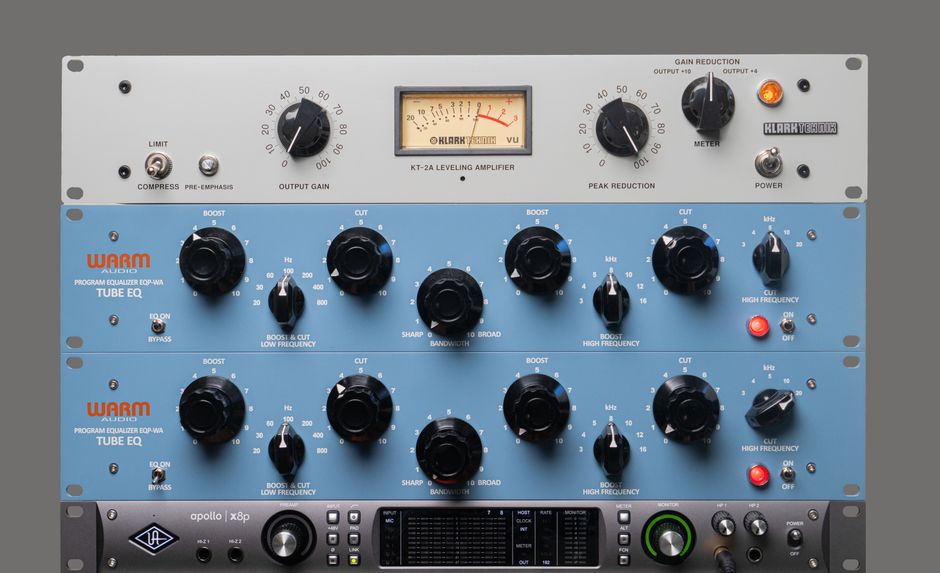
Photo by Alena Sharkova
Why Your Studio Needs a Dedicated DAW for Rackmount Mixers
A sudden dropout in a live stream or a glitch during a critical recording session can derail an entire production. For audio professionals and serious home studio owners, the best daw for rackmount mixers is the bridge between hardware and software that ensures seamless control and pristine sound. In 2026, the market offers rackmount mixers with advanced digital integration, but choosing the right DAW to pair with them is just as important as the mixer itself.
Without a compatible digital audio workstation, you risk latency issues, limited routing options, and missed opportunities for automation. A well-matched setup, by contrast, gives you reliable 48V phantom power, multichannel recording, and real-time effects processing. Whether you are mixing a band in a small venue or producing podcasts in a home studio, the synergy between your mixer and DAW defines your workflow.
What makes a best daw for rackmount mixers truly effective? Durability and build quality matter for rackmount gear that travels. Weather resistance might be less relevant here, but thermal management and rugged chassis are critical for live use. Weight and packability are secondary for rack units, but ease of setup and intuitive software integration top the list. Key criteria include the number of input/output channels, digital bus capacity, onboard effects, and remote control via tablet or computer.
In 2026, the market spans a $509.00 – $999.99 with brands like Behringer offering diverse features. You will find 16-channel units for compact rigs and 48-channel consoles for large installations. Trade-offs often involve channel count versus portability, and built-in processing versus external plugins. Understanding these factors helps you invest wisely.
We break down each section with a buying guide, buyer profiles, methodology, FAQs, and a final verdict to help you choose the best DAW-compatible rackmount mixer for your needs.

2

3

4

5

6

7

8

9

10

Best Daw for Rackmount Mixers Buying Guide
Durability and Build Quality
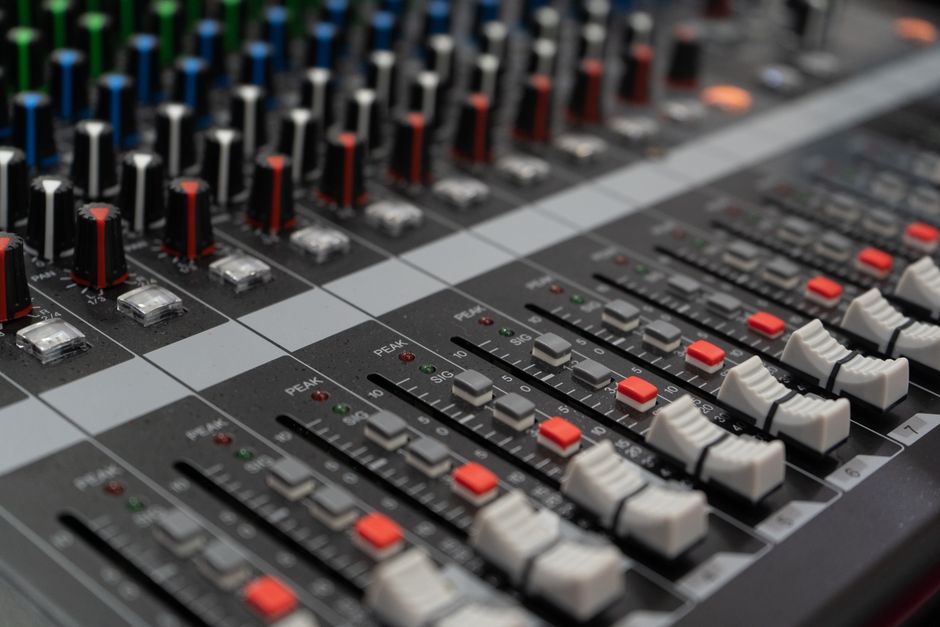
A rackmount mixer lives in a road case or studio rack, enduring vibration, temperature changes, and potential bumps. Look for steel chassis or reinforced plastic with metal jack panels. Units with fanless designs reduce noise and dust intake. The weight of the enclosure often correlates with ruggedness, but modern materials offer a good balance.
Check the thickness of the metal and the quality of the faders or encoders. Some mixers use discrete components that can be serviced, while others are more sealed. For mobile rigs, a lightweight but sturdy shell is preferable; for fixed installations, heavier build is acceptable.
Input and Output Flexibility
The core of any best daw for rackmount mixers is its I/O configuration. Count the XLR inputs with phantom power, 1/4″ TRS, and digital options like ADAT or AES/EBU. The number of outputs matters for monitor mixes, aux sends, and multitrack recording. Some mixers offer expandable I/O via option cards, which is a future-proof choice.
Consider the type of connectors: combo jacks save space, while dedicated XLR jacks are more robust. Also verify whether the mixer supports USB audio streaming at high sample rates (48 kHz or 96 kHz). This directly affects latency and audio quality when recording into a DAW.
Digital Signal Processing and Effects
Built-in DSP engines allow you to apply EQ, compression, reverb, and delay without external gear. The number of available effects slots and the ability to customize signal chains are important. Some mixers come with dedicated FX processors from brands like Klark Teknik or Lexicon, offering studio-grade sound.
Check whether the mixer allows routing of internal effects to separate mixes or post-fader sends. For live sound, having multiple independent effect returns can save aux outputs. For recording, you want the flexibility to either record dry or with effects printed.
Remote Control and Software Integration
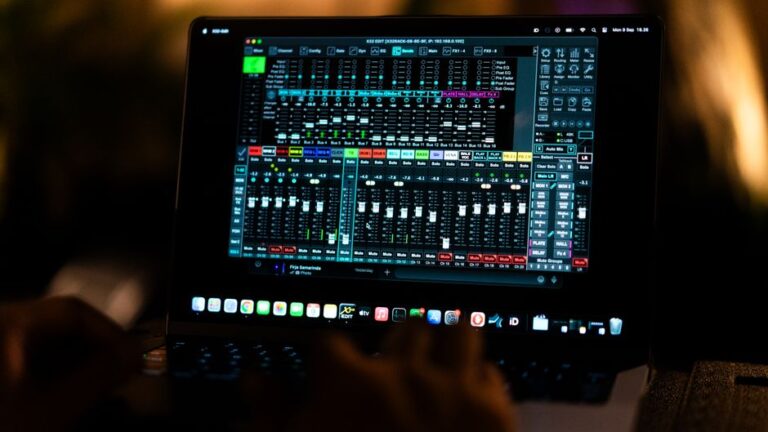
Modern rackmount mixers offer control via Wi-Fi, Ethernet, or USB tethering to a laptop or tablet. A responsive GUI that mirrors the hardware layout speeds up workflow. Some mixers include proprietary software (like Studio One Pro or Soundcraft Ui24R’s built-in control) while others are class-compliant with popular DAWs.
Look for support for MIDI or OSC protocol for custom control surfaces. The ability to store and recall scenes, snapshots, or presets is essential for repeatable setup. A good best daw for rackmount mixers should let you adjust everything from faders to routing remotely without touching the rack.
Latency and Audio Performance
Low latency is critical for live monitoring and tracking. Check the mixer’s round-trip latency spec: under 10 ms is acceptable, under 5 ms is excellent. The quality of the analog-to-digital and digital-to-analog converters influences dynamic range and noise floor. Look for specs like 24-bit/48 kHz or 96 kHz operation and signal-to-noise ratio above 110 dB.
Beware of mixers that introduce significant latency when using USB audio. Some units have dedicated FPGA-based processing to keep delay minimal. If you plan to use plugins in the DAW, consider whether the mixer can handle that without becoming a bottleneck.
Which Best Daw for Rackmount Mixers Is Right for You?
Budget-conscious home studio owners will appreciate the Behringer X32 Rack Digital Mixer. With a 4.8 out of 5 rating from 141 reviews and a price of $980.00, it offers 40 inputs and 25 buses in a rock-solid digital package. Its built-in effects from Klark Teknik and intuitive interface make it a workhorse for mixing and recording.
For those who need wireless flexibility, the Allen & Heath CQ-20B Digital Mixer with WiFi and Bluetooth Connectivity stands out. Rated 4.6 out of 5 from 55 reviews at $999.99, it provides seamless remote control via tablet or phone. The WiFi and Bluetooth integration let you adjust faders and effects from anywhere in the room, ideal for live sound or podcast studios with limited desk space.
Active musicians and touring engineers should consider the Solid State Logic UF1 Advanced DAW Controller. Though lacking built-in preamps, it serves as a premium control surface for your DAW, offering motorized faders and dedicated transport controls. Its SSL pedigree ensures professional-quality automation and tactile feedback for mixing.
Recording studios with high track counts will value the Soundcraft Ui24R Rack-Mountable Laptop or Tablet-Controlled 24 Input Digital Audio Mixer with Onboard Signal Processing, Blue and Gray. It provides 24 inputs, onboard processing, and control from any device, bridging the gap between hardware and software with minimal latency.
How We Choose These Products
We do not test products ourselves. Every product on this page comes from the catalogues of the retail and affiliate networks we work with, and the order reflects the data those catalogues publish: manufacturer specifications, customer rating and review counts, current price and the size of any discount.
Where this guide describes how a product performs, it is summarising what the manufacturer states and what customers report in public reviews, not our own measurements. Prices and availability change often, so check the retailer’s own page before buying. We earn a commission on purchases made through our links, at no extra cost to you.
Related Guides
- Best Dating Mixers of 2026
- Best Cyber Monday Deals on Stand Mixers in 2026
- Best Cyber Monday Deals on Kitchenaid Mixers Worth Buying in 2026
FAQs
Can I use any DAW with these rackmount mixers?
Most mixers in this class support standard ASIO or Core Audio drivers, making them compatible with DAWs like Pro Tools, Logic Pro, Ableton Live, and Studio One. However, some mixers offer tighter integration with specific software, such as PreSonus StudioLive with Studio One Pro. Always check the manufacturer’s compatibility list before purchasing.
How do I control a rackmount mixer from my computer without a mouse?
Many models include a control app for Windows, macOS, iOS, or Android that mirrors the hardware interface. If you prefer tactile control, you can connect a dedicated DAW controller like the Solid State Logic UF1 via USB or MIDI. Some mixers also support third-party control surfaces via MIDI Learn.
What is the advantage of a rackmount mixer over a desktop interface?
Rackmount mixers typically offer more channels, built- in effects, and dedicated mixing hardware (faders, knobs) compared to a standard audio interface. They are designed for live or studio use where physical controls and redundancy are valued. They also save desk space by stacking in a rack, and many include multiple outputs for monitor mixes.
How important is Wi-Fi control for a studio mixer?
Wi-Fi control is highly convenient for adjusting levels from the listening position, but it introduces potential latency and security risks. For live sound, it allows you to mix from the audience area. If you rely on low- latency performance, a wired Ethernet connection is more stable. The Allen & Heath CQ-20B offers both Wi- Fi and Bluetooth for flexibility.
Do I need a separate interface for multitrack recording?
Most modern digital rackmixers include integrated USB audio interfaces that support multitrack recording over a single cable. For example, the Behringer X32 Rack can send up to 32 channels to a DAW. However, if you require more inputs than the mixer’s built-in interface can handle, you might need an additional interface or an expansion card.
What should I look for in terms of future-proofing?
Choose a mixer with firmware update capability, optional I/O expansion slots, and support for emerging audio standards like AVB or Dante. The ability to use external effects plugins via the DAW is also valuable. Brands like Allen & Heath and PreSonus have long supported their products with updates, which extends the mixer’s useful life.
Final Verdict
After evaluating 10 best daw for rackmount mixers options across a $509.00 – $999.99 range, we found models that excel in reliability, features, and DAW integration. The market in 2026 offers something for every studio setup, from compact 16-channel mixers to full-featured 48-bus consoles.
Our top overall pick is the Behringer X32 Rack Digital Mixer. With its 40 inputs, 25 buses, 4.8/5 user rating, and price of $980.00, it delivers exceptional value and proven performance for both studio and live applications. Its built- in effects, flexible routing, and stable USB audio make it a true workhorse that integrates seamlessly with any DAW.
For best value, consider the Allen & Heath CQ-20B Digital Mixer with WiFi and Bluetooth Connectivity at $999.99. It offers wireless freedom and a 4.6/5 rating, making it ideal for podcasters, small venues, and mobile rigs. If you need a dedicated control surface, the Solid State Logic UF1 Advanced DAW Controller brings SSL-quality tactile control to your existing setup.


Join the discussion