You have just finished recording a great vocal take, but the audio sounds thin and lifeless. The culprit might be your signal chain, not your performance. A quality mixer or audio interface transforms raw sound into polished, professional-grade audio, whether you are podcasting, streaming, or recording music. In 2026, the market offers more options than ever, but choosing the wrong one can leave you wrestling with noise, latency, or limited connectivity.
Your setup dictates how your audience hears you. A subpar interface introduces hum, hiss, or lag, ruining takes and wasting time. The right unit delivers clean preamps, low noise floor, and reliable drivers, letting you focus on content creation. For podcasters, a simple two-input interface often suffices, while musicians may need multiple channels and advanced routing. Understanding these needs prevents costly mistakes.
Several factors define a great mixer or audio interface. Preamps matter most: gain range, low distortion, and phantom power support. Input count determines how many microphones or instruments you can record simultaneously. Connectivity ensures compatibility with your computer or mobile device. Build quality affects longevity, especially for portable use. Software bundles can add value by including recording or effects tools.
The current market spans from budget-friendly units like the FIFINE Ampligame SC3 at under $50 to all-in-one production studios such as the RØDE RØDECaster Pro II exceeding $500. Major brands like Focusrite, Yamaha, Behringer, and RØDE dominate, each offering distinct trade-offs between price, features, and ease of use. This guide covers $52.99 – $579.00 to suit every creator.
Below you will find a detailed buying guide, user recommendations, and our final verdict to help you choose the best mixer or audio interface for your needs.
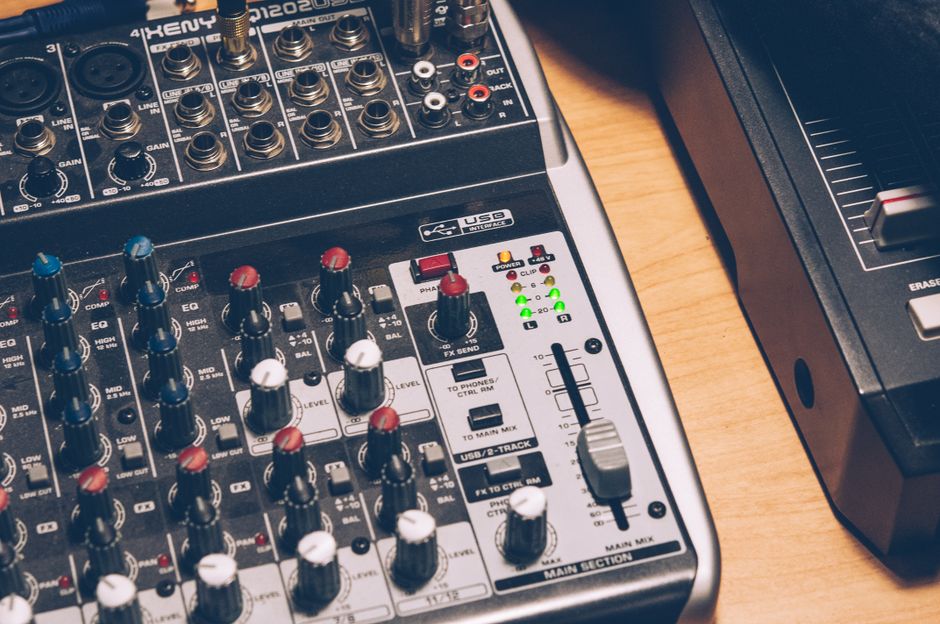
The Behringer XENYX 802S is an 8-input analog mixer with a built-in USB audio interface, delivering ultra-low noise performance ideal for streamers, podcasters, and small gigs. Its direct mixing of PC/gaming audio into the streaming output makes it a versatile hub for content creators.
Pros & Cons
Pros
Ultra-low noise floor ensures clean recordings even with high gain.
Separate main and monitor mixing allows independent headphone and speaker feeds.
Solid build quality and reliable performance for the price.
USB streaming interface eliminates need for external audio interface.
Cons
Power supply feels less robust compared to older versions (as noted in reviews).
USB DAC audio quality is adequate but not top-tier for critical listening.
No EQ on the USB output; requires using a channel for tone shaping.
Detailed Review
The Behringer XENYX 802S is a premium analog 8-input mixer designed for streamers, podcasters, musicians, and small live sound setups. It combines analog mixing with a stereo USB audio interface, allowing you to blend multiple audio sources, microphones, instruments, and computer audio, into one clean output for streaming or recording.
The mixer features ultra-low noise circuitry, which means you get a quiet signal path even when boosting quieter sources. Each channel has a 3-band EQ (bass, mid, treble) for tone shaping, plus a dedicated preamp with gain control. The built-in USB interface connects directly to your PC, Mac, or mobile device, letting you record or stream without an external audio interface.
Build quality is solid for the price point, though some users note the included power supply feels less robust than earlier models. The layout is intuitive: all jacks, knobs, and faders are clearly labeled, making it easy to adjust levels on the fly. The mixer also features a separate monitor output independent of the main mix, perfect for headphone cues while your audience hears a different blend.
In real-world use, the XENYX 802S excels as a desktop hub. You can plug in a microphone, gaming console, and PC audio simultaneously, then route everything to your streaming software with zero latency monitoring. For small live gigs, it pairs well with powered speakers, offering quick setup and reliable performance. The main limitation is the USB DAC quality: while adequate for podcasting and general use, audiophiles may prefer a dedicated DAC for critical listening. Additionally, there is no EQ on the USB output, you need to insert the USB signal into a channel to shape its tone.
Who should buy it? Streamers, podcasters, and musicians who need a simple, affordable way to mix multiple audio sources into their computer. Small venue performers will appreciate its portability and ease of use. Who should skip it? Professionals requiring pristine DAC quality or extensive routing flexibility should look at higher-end digital mixers. Overall, the Behringer XENYX 802S delivers impressive value for its price.
Key Features
8 Input Channels (XLR/TRS Combination): Connect up to four microphones or line-level instruments simultaneously with individual gain controls.
Built-in USB Streaming Interface: Record or stream directly to your computer without extra hardware, supports both recording and playback.
Ultra-Low Noise Circuitry: Keeps the signal clean even at high gain settings, eliminating hum and hiss from your recordings.
3-Band EQ per Channel: Shape the tone of each input, cut muddiness, add clarity, or enhance presence without external processing.
Independent Main and Monitor Mixes: Send a different blend to headphones (or stage monitors) while the audience hears your main mix, ideal for cueing.
RCA and 1/4" Outputs: Connect to powered speakers, recording devices, or additional audio systems with flexible connection options.
Use Cases
Live Streaming & Gaming: Combine your microphone, game audio, and background music into one stream. Monitor your mic and computer audio separately with the headphone output.
Podcasting: Record multiple hosts or guests with individual mic channels. Use the USB interface to capture directly into your DAW or podcasting software.
Small Live Gigs: Pair with two powered speakers for an easy-to-transport PA system. Adjust levels for vocals and backing tracks on the fly.
Desktop Audio Hub: Connect multiple audio sources (computer, TV, gaming console, mobile device) and route them to speakers or headphones. Switch sources instantly with volume control per input.
Home Recording: Record demos or song ideas with up to four microphones or instruments simultaneously. No need for an external audio interface, just plug and play.
The RØDE RØDECaster Pro II is a powerful all-in-one audio mixer with four studio-grade XLR inputs, APHEX voice processing, and standalone recording to microSD or USB. It delivers broadcast-quality sound for podcasters, streamers, and musicians who need professional audio without a computer.
Pros & Cons
Pros
Exceptional audio quality with ultra-low-noise Revolution preamps and APHEX processing.
Intuitive touchscreen interface and SMART pads for real-time control during live productions.
Standalone recording to microSD, USB drive, or multitrack to computer – versatile workflow.
Dual USB-C and Bluetooth connectivity for seamless integration with computers, smartphones, and tablets.
Cons
Requires AC power supply, limiting true outdoor use without a generator or power bank.
Higher price point compared to basic mixers, may not suit beginners on a tight budget.
Learning curve for advanced features and custom channel assignments; not plug-and-play for everyone.
Detailed Review
The RØDE RØDECaster Pro II is a comprehensive all-in-one audio production studio designed for podcasters, streamers, musicians, and content creators who demand professional sound quality without juggling multiple devices. It features four combo XLR/line/instrument inputs with ultra-low-noise Revolution preamps, plus APHEX signal processing presets that instantly enhance vocal clarity and richness.
In real-world use, the RØDECaster Pro II excels as a standalone recorder – simply connect microphones, press record on the touchscreen, and capture multitrack or stereo audio directly to a microSD card or USB drive. This makes it ideal for mobile recording sessions, whether you're in a home studio, a rented venue, or even a campsite. The dual USB-C interfaces allow connection to a computer for dawless streaming or recording, while Bluetooth enables wireless call-ins from smartphones.
Buit quality is robust with a metal chassis and intuitive layout. The eight SMART pads are responsive and can be assigned to triggers, sound effects, or even mix-minus phone calls. The 9-channel mixer is fully customizable, letting you set up separate headphone mixes for guests.
However, the unit requires AC power – there's no battery option – so field use depends on a generator or power station. The price is high for beginners, but the sound quality and all-in-one convenience justify the cost for serious creators. Overall the RØDECaster Pro II is best for podcasters and streamers who want pro results with minimal setup. Skip it if you need a battery-powered portable recorder or operate on a tight budget.
Key Features
Four Studio-Grade Combo Inputs: Each input features a Revolution preamp with ultra-low noise and high gain, perfect for dynamic or condenser microphones. Benefit: Capture every nuance of spoken word or instrument with crystal clarity, even in less-than-ideal acoustic environments.
APHEX Audio Processing: On-board presets for compression, EQ, de-essing, and more – applied with one tap. Benefit: Voices sound polished and broadcast-ready instantly, no external plugins or expertise needed.
Standalone Recording: Record to microSD card or USB drive, or multitrack via USB to a computer. Benefit: Pack up your studio and record anywhere – no laptop required for simple sessions, increasing mobility for field recordings.
Eight Programmable SMART Pads: Assign sounds, jingles, effects, or mix-minus phone calls to the pads. Bnefit: Live pordcasts and streams become dynamic and professional with easy access to audio triggers.
Dual USB-C & Blueooth:strng> Connect to two computers simultaneously or pair with a mobile phone. Benefit: Stream or record from multiple sources, bring in remote guests via Bluetooth, and manage complex setups without re-cabling.
Use Cases
Mobile Podcasting from a Van or Campsite: With its compact footprint and standalone recording, the RØDECaster Pro II is perfect for van-lifers and outdoor creators who want to produce high-quality episodes without a studio. Pair it with a dynamic microphone and record directly to microSD – power with a small generator or power station.
Live Streaming from Events: At festivals or outdoor live streams, the SMART pads let you trigger intros, sound effects, and sponsor messages on the fly. Bluetooth call-ins let you interview guests remotely without wiring.
Field Interviews & Remote Recording: Connect two XLR microphones for in-person interviews while using Bluetooth to bring in a third remote guest. The mixer’s mix-minus feature prevents echo for callers. Record everything multitrack for easy editing later.
Multi-User Gaming or Commentary: For content creators who game or commentate with friends, the nine-channel mixer allows separate audio levels for each participant, plus headphone mixes – ideal for co-op streams in a living room or campus setup.
The Yamaha MG10XU is a 10-channel analog mixer with studio-grade D-PRE preamps, built-in SPX digital effects, and USB connectivity, delivering pristine sound quality and versatile control for podcasters, musicians, and mobile DJs.
Pros & Cons
Pros
Exceptional sound quality with low noise floor (equivalent input noise -128 dBu) for clean recordings
Intuitive layout and easy-to-use controls, even for beginners
Built-in USB interface works class-compliant with Mac/PC (no drivers needed) for hassle-free recording
Solid metal construction feels premium and road-ready
Cons
Only two channels have one-knob compressors; all four mic channels would be more versatile
No sweepable midrange EQ on any channel, fixed frequencies (100 Hz, 2.5 kHz, 10 kHz) limit tonal shaping
USB recording level is not adjustable via mixer controls; must rely on DAW for monitoring and level adjustment
Detailed Review
The Yamaha MG10XU is a 10-input analog mixer that bridges the gap between affordability and professional-grade performance. Designed for small studios, live sound, podcasting, and mobile DJ work, it pairs Yamaha's renowned D-PRE discrete Class-A preamps with a built-in USB audio interface and 24 digital effects (SPX). The result is a versatile, portable mixing solution that punches above its price point.
In real-world use, the preamps deliver exceptionally clean, natural sound, whether you're miking a vocalist, acoustic guitar, or drum kit. The one-knob compressors on channels 1–2 are a standout for quick dynamic control, especially for beginners. The built-in effects (reverb, delay, chorus) are musical and easy to dial in, though switching between them on the fly is slightly tedious due to the compact layout. The USB interface works seamlessly with any DAW (tested with Pro Tools, Logic, and Serato) and even with iPads using the appropriate adapter.
Build quality is excellent: a powder-coated metal chassis and robust knobs inspire confidence for regular transport. However, the mixer can get warm at the back during extended use, and the fixed EQ frequencies (no sweepable mid) may frustrate advanced users. Also, the USB recording level is not controllable from the mixer, you must adjust in your DAW, and the metering only shows the stereo bus post-level control, not the USB send.
Despite these quirks, the MG10XU is a top recommendation for podcasters needing multiple mic inputs, home studio owners wanting an all-in-one interface, and mobile DJs requiring a compact, reliable mixer. If you need extensive EQ shaping or a fully independent monitor mix, consider higher-end models. But for the price, this is a 'buy once, cry once' investment that delivers professional results.
Key Features
D-PRE Discrete Class-A Preamps: These premium preamps use an inverted Darlington circuit to provide fat, natural bass and smooth highs, capturing every detail of your source without coloration. You get studio-quality sound even in a compact mixer.
Built-in SPX Digital Effects: Choose from 24 high-quality effects (reverb, delay, chorus, flanger, etc.) to add polish to your mix. The dedicated return channel and send control let you blend effects precisely without external gear.
One-Knob Compressors (Channels 1-2): Quickly tame peaks and add punch to vocals, guitars, or drums. Ideal for live situations where you need instant dynamic control without diving into menus.
USB Audio Interface (24-bit/192 kHz): Connect to your computer or iPad via USB for two-track recording and playback. Class-compliant on Mac, no drivers needed on Windows (ASIO recommended for low latency). Perfect for podcasting, home recording, or streaming.
3-Band EQ and High-Pass Filter: Each channel features fixed-frequency EQ (High: 10 kHz, Mid: 2.5 kHz, Low: 100 Hz) plus an 80 Hz high-pass filter to eliminate rumble and low-end noise, giving you clean, controlled mixes.
Rugged Metal Chassis: The powder-coated steel body and impact-resistant design ensure the mixer survives the rigors of touring, mobile gigs, and studio life. Weighs 7.7 lbs, solid but still portable.
Use Cases
Podcasting & Streaming: The MG10XU is ideal for multi-mic podcast setups. Connect up to four XLR microphones, apply compression and effects, and send the mix directly to your computer via USB. The built-in headphone output with separate monitor level lets you hear yourself clearly without latency.
Home Studio Recording: Use the mixer as a front-end for your DAW. Record vocals, acoustic instruments, or line-level synths with pristine preamps. The USB interface handles 44.1–192 kHz sample rates, so you can capture high-resolution audio. The effects can be used during tracking or as a creative tool during mixing.
Mobile DJ Gigs: Compact enough to fit in a DJ bag, the MG10XU provides clean sound for small venues, weddings, and parties. Connect your DJ controller, microphones for announcements, and a backup music source. The dual outputs (Main and Monitor) let you send to speakers and a separate headphone or booth mix.
Live Sound for Small Bands: Perfect for coffee shop gigs, church services, or rehearsal spaces. With four mic/line inputs, stereo channels for keyboards or backing tracks, and built-in effects, you can run a full band mix without a rack of outboard gear.
Content Creation & YouTube: Streamers and video creators can route multiple audio sources (mic, game audio, music) through the mixer and record a clean stereo mix to their computer. The one-knob compressors help keep levels consistent without manual riding.
The Behringer XR18 is a versatile 18-input digital mixer with 16 MIDAS-designed preamps, built-in Wi-Fi, and 18x18 USB recording. Ideal for live sound and studio use, it offers pro-grade audio quality and tablet control for flexible mixing on the go.
Pros & Cons
Pros
Exceptional sound quality from MIDAS preamps rivals high-end consoles.
Seamless tablet integration with responsive, full-featured app.
Built-in Wi-Fi module works reliably without extra hardware.
Extensive I/O: 16 XLR inputs, 2 main XLR outs, plus TRS and aux outputs.
Affordable price point for a fully-featured digital mixer with recording capabilities.
Cons
No physical faders; all control is via tablet, which may be a learning curve for traditional users.
Built-in Wi-Fi range can be limited in large venues; a dedicated router may be needed for extended coverage.
USB audio interface limited to 18x18 channels; higher channel counts require external interfaces.
No onboard processing for standalone operation without a tablet.
Detailed Review
The Behringer XR18 is a powerful 18-input digital mixer designed for live sound reinforcement, recording, and studio applications. It features 16 programmable MIDAS-designed preamps that deliver exceptionally clean, low-noise audio, a hallmark of professional-grade consoles. The built-in Wi-Fi module allows direct connection to iPad or Android tablets via the X-AIR app, giving you full control over EQ, dynamics, effects, and routing from anywhere within range.
In real-world use, the XR18 shines in small-to-medium venues, rehearsal spaces, and house-of-worship settings. The 18x18 USB audio interface simplifies multi-track recording to a computer or iPad, making it a versatile tool for live albums or practice sessions. The Dugan-style auto-mixing feature (available via future firmware) intelligently manages microphone gain sharing, reducing feedback and engineer workload.
Build quality is solid for the price, with a metal chassis and robust connectors. At 7.1 pounds, it's portable enough for mobile setups. However, the lack of physical faders means you rely entirely on the tablet interface, this can be a drawback for those who prefer tactile control or need quick adjustments during a performance. Wi-Fi range is adequate for most rooms but may require an external router in larger spaces.
Overall, the Behringer XR18 offers exceptional value for musicians, sound engineers, and content creators who want a compact, feature-packed digital mixer with pro audio quality. It's best for those comfortable with tablet-based workflows and who need integrated recording capabilities.
Key Features
16 MIDAS Programmable Preamps: These preamps provide ultra-low noise, high headroom, and transparent gain, critical for capturing delicate acoustic instruments or powerful vocals without coloration.
Built-in Tri-Mode Wi-Fi Router: Eliminates the need for external network hardware. You can connect your tablet directly to the mixer for instant control, or use it as an access point for multiple devices.
18x18 Multi-Channel USB Audio Interface: Streams up to 18 inputs and 18 outputs over USB, enabling direct multi-track recording to your DAW or iPad without extra converters.
Dugan-Style Auto-Mixing: Automatically adjusts microphone gain sharing to maintain consistent levels and minimize feedback, especially useful for panel discussions, conferences, or multi-mic setups.
Comprehensive App Control: The X-AIR app offers full parameter control, including 4-band parametric EQ, compression, gates, and 8 stereo effects processors. You can create and recall scenes for different shows.
Versatile I/O: 16 XLR/TRS combo inputs, 2 XLR main outputs, 4 aux sends, and 4 TRS outputs provide flexibility for monitoring, effects loops, and subwoofer feeds.
Use Cases
Live Bands & Small Venues: The XR18 is perfect for mixing a full band in clubs, bars, or outdoor stages. Its 16 inputs handle drums, guitars, vocals, and keys, while the tablet control lets the sound engineer roam the room to dial in the mix.
House of Worship & Corporate Events: Auto-mixing and scene recall simplify managing multiple speakers or worship teams. The built-in recording capability captures sermons or performances for later podcasting or archiving.
Studio Recording & Podcasting: Use the XR18 as a multi-channel USB interface to record up to 18 tracks simultaneously. Its MIDAS preamps ensure clean captures for demos, live sessions, or remote recording setups.
Rehearsal Spaces: Bands can use the mixer for practice, recording rehearsals for review, and quickly adjusting levels via tablet without interrupting the flow.
Portable Systems: Lightweight and compact, the XR18 is ideal for mobile DJs, solo performers, or anyone who needs a high-quality mixer that fits in a backpack.
The FIFINE Ampligame SC3 gaming audio mixer features XLR mic input with 48V phantom power, four independent channel sliders, and a mute button for real-time audio control. Perfect for streamers, podcasters, and outdoor content creators who want to upgrade their audio without complex setup.
Pros & Cons
Pros
XLR input with 48V phantom power supports a wide range of professional microphones, including condenser mics.
Individual channel sliders give you precise, real-time control over audio levels without needing to touch your software.
Mute and monitor buttons are front-facing and easy to access, allowing quick muting and latency-free monitoring.
Built-in sound effects and voice changer add creative options for engaging content.
Plug-and-play USB-C connectivity works with Windows and Mac, and the compact design is highly portable.
Cons
XLR cable not included, so you need to purchase separately for mic connection.
Only one XLR mic input limits multi-mic setups; not ideal for interviews with multiple hosts.
RGB lighting may be distracting in dark streaming environments if you prefer a minimalist look.
Software update support is unknown, and some advanced features may require third-party software.
Detailed Review
The FIFINE Ampligame SC3 is a compact gaming audio mixer designed for streamers, podcasters, and content creators who need an affordable, easy-to-use interface to improve their audio quality. It features a single XLR microphone input with 48V phantom power, allowing you to connect professional condenser mics for crisp, clear voice capture. The mixer's four independent channel sliders give you individual control over mic, line-in, headphone, and line-out levels, so you can balance game audio, music, and commentary without diving into software settings.
In real-world use, the SC3 shines for solo streaming and recording. The front-facing mute and monitor buttons are intuitive and responsive, letting you cut background noise or hear yourself without latency. The built-in sound effects and voice changer add fun, creative options for engaging your audience. The RGB lighting is vibrant but not harsh, and you can freeze or flow the colors to match your stream theme. The mixer is powered via USB-C, making it easy to use with laptops or portable power banks, ideal for outdoor recording sessions or remote broadcasts.
Build quality is solid for its price point, with a sturdy plastic chassis and tactile controls that feel durable enough for regular transport. However, it's worth noting that the SC3 only supports one XLR mic input, so it's not suitable for multi-mic interviews or complex setups. Also, an XLR cable is not included, so factor that into your purchase. The mixer does not work with USB microphones, and software update support is unclear. Despite these limitations, the SC3 offers excellent value for solo creators who want a straightforward, feature-packed mixer without breaking the bank. It's best for beginner to intermediate streamers, podcasters, and outdoor content creators who prioritize portability and ease of use over advanced multi-channel capabilities.
Key Features
XLR Mic Input with 48V Phantom Power: Connect professional condenser microphones for superior audio clarity. Perfect for capturing your voice with detail, even in less-than-ideal acoustic environments like a campsite or trailhead.
Four Independent Channel Sliders: Independently adjust the volume of your microphone, line-in audio (e.g., music or game sounds), headphones, and line-out. This gives you fine-tuned control over your mix without needing to alt-tab out of your stream or recording software.
Front Mute and Monitor Buttons: Instantly mute your mic to cut background noise, and monitor your audio in real time with zero latency. These buttons are placed on the front panel for easy access during live sessions.
Built-in Sound Effects and Voice Changer: Six voice-changing modes and four customizable sound effect buttons let you add personality to your content. Record your own sounds and trigger them with a press, great for interactive streams or creative storytelling.
Controllable RGB Lighting: Choose from flowing or frozen RGB colors to match your setup or stream theme. The lights are vibrant but not distracting, adding a professional aesthetic to your broadcast.
USB-C Plug-and-Play: Connect to your PC or Mac via USB-C for both power and data. The mixer is recognized instantly without drivers, and the USB-C power input means you can run it from a portable battery pack for on-the-go use.
Use Cases
Outdoor Live Streaming: Take your stream to the trail or campsite. The SC3's compact size and USB-C power let you run it from a power bank, while the XLR input captures your voice clearly over ambient nature sounds. Use the mute button to cut wind noise instantly.
Remote Podcasting: Record high-quality podcasts from anywhere, whether you're in a cabin, at a park, or on a hiking break. The individual channel sliders let you balance your voice with background music or field recordings.
Travel Vlogging: Add professional audio to your video content without bulky gear. The SC3's lightweight design and simple controls make it easy to set up in any location, and the voice changer can add fun effects to your vlogs.
Campfire Storytelling: Engage your audience with interactive audio. Use the customizable sound buttons to add ambient effects like crackling fire or animal sounds, and the voice changer to transform your narration into different characters.
Gaming Streams: While not directly outdoor-related, the SC3 excels at home gaming streams, giving you precise control over game audio and mic levels. The RGB lighting adds flair to your setup, and the mute button ensures your stream stays clean when you need a break.
Best Mixers Audio Interfaces Buying Guide
Preamps and Gain Range
The preamp is the heart of any interface. It amplifies your microphone signal to line level while adding minimal noise. Look for units offering at least 50dB of gain, clean sound, and low equivalent input noise (EIN). Phantom power is essential for condenser mics.
Higher gain ranges (60dB or more) suit dynamic or ribbon microphones that need extra boost. Check signal-to-noise ratio specs; values above 100dB indicate clean performance. Avoid interfaces with audible hiss even at moderate gain.
Input and Output Count
Consider how many sources you need to record simultaneously. Solo podcasters can manage with one XLR input, while bands require multiple inputs for mics and instruments. Outputs matter for monitoring and connecting studio monitors.
Look for combo jacks that accept both XLR and 1/4-inch cables, as well as dedicated headphone outputs with independent volume controls. USB or USB-C connectivity ensures low-latency transfer to your computer.
Build Quality and Portability
A well-constructed unit withstands travel and frequent plugging. Metal chassis and robust knobs last longer than plastic alternatives. Compact designs fit in a backpack for mobile recording sessions.
Check weight and dimensions if you plan to move the interface regularly. Some models include rackmount ears for studio integration. Ventilation prevents overheating during long sessions.
Software and Compatibility
Bundled software can add significant value, including DAWs, effects plugins, or loopback features for streaming. Ensure drivers are stable on your operating system (macOS, Windows, iPadOS).
Loopback functionality allows mixing computer audio with live inputs, useful for live streaming. Some interfaces offer onboard DSP for real-time effects without taxing your CPU. For more on these technologies, refer to Sweetwater’s guide to choosing an audio interface.
Value and Future-Proofing
Invest in features you will grow into, such as extra inputs, MIDI connectivity, or high-resolution audio support (24-bit/192kHz). Balanced outputs reduce interference over longer cable runs.
Consider whether you need standalone operation without a computer, as some mixers like the RØDE RØDECaster Pro II can record to microSD or USB. Budget options often sacrifice expandability, so weigh your priorities.
Photo by Kishan Rahul Jose
Which Best Mixers Audio Interfaces Are Right for You?
For solo podcasters or home studio beginners on a tight budget, the FIFINE Ampligame SC3 Gaming Audio Mixer with Indi-Fader and Volume Control offers exceptional value. Priced at just $47.69, it includes USB plug-and-play, a mute button, XLR preamp, RGB lighting, voice changer, 48V phantom power, and monitoring support. Its simple interface and low cost make it ideal for newcomers wanting to improve audio quality without breaking the bank.
If you need an all-in-one production studio for podcasting or streaming, the RØDE RØDECaster Pro II All-in-One Audio Production Studio delivers professional-grade capabilities. With 4 studio preamps, APHEX voice processing, 8 SMART pads, multitrack recording to computer, microSD, or USB, and standalone operation, this unit simplifies complex workflows. Its $579 price reflects its versatility and built-in features that would otherwise require multiple devices.
For musicians and live performers requiring multiple inputs and digital mixing, the Behringer X AIR XR18 18-Channel, 12-Bus Digital Mixer for iPad/Android Tablets with 16 Programmable Midas Preamps, Integrated Wifi Module and Multi-Channel USB Audio Interface offers exceptional flexibility. Its 18 channels, 12 buses, and Midas preamps handle large ensembles, and the included WiFi module allows wireless control via tablet. At $509, it is a powerful yet portable solution for stage or studio.
For streamers and content creators who need loopback and DSP effects, the Yamaha AG06MK2 White 6-Channel USB-C Audio Interface & Live Streaming Mixer provides a streamlined solution. It includes loopback, DSP effects, Cubase AI, and WaveLab Cast software. Its 6-channel capacity and USB-C connectivity suit modern laptops, and the compact design fits neatly on a desk. At $239.99, it balances features and price for intermediate users.
Photo by Nothing Ahead
How We Choose These Products
We do not test products ourselves. Every product on this page comes from the catalogues of the retail and affiliate networks we work with, and the order reflects the data those catalogues publish: manufacturer specifications, customer rating and review counts, current price and the size of any discount.
Where this guide describes how a product performs, it is summarising what the manufacturer states and what customers report in public reviews, not our own measurements. Prices and availability change often, so check the retailer’s own page before buying. We earn a commission on purchases made through our links, at no extra cost to you.
For a solo podcast with one microphone, a single XLR input is sufficient. However, having an extra input allows for future guests or a backup mic. Interfaces like the Focusrite Scarlett Solo 3rd Gen offer one XLR plus one instrument input, which covers basic needs.
What is the difference between a mixer and an audio interface?
A mixer combines multiple audio sources and lets you adjust levels and EQ in real time, often without a computer. An audio interface converts analog signals to digital for recording on a computer. Many modern devices, like the Yamaha AG06MK2, combine both functions, offering mixing capabilities and USB connectivity.
Do I need phantom power for condenser microphones?
Yes, condenser microphones require 48V phantom power to operate. Most audio interfaces and mixers include a switch for phantom power. Make sure your device has individual or global phantom power, and never plug a ribbon mic into a phantom-powered input without checking compatibility.
Can I use a mixer as an audio interface?
Many mixers include a USB port that allows them to function as an audio interface. The Behringer XENYX 802S, for example, has a USB streaming interface. This lets you record directly to your computer while still benefiting from analog mixing features like EQ and effects.
What software do these devices come with?
Bundles vary by brand. Focusrite includes the Focusrite Control software and often Ableton Live Lite. Yamaha offers Cubase AI and WaveLab Cast with the AG06MK2. RØDE’s RØDECaster Pro II includes built-in processing and recording without a computer. Always check the product page for the latest software offers.
Are USB-C interfaces better than USB-A?
USB-C offers faster data transfer and can deliver more power, reducing latency and improving stability. Many newer interfaces, like the Yamaha AG06MK2 and Elgato Wave XLR Pro, use USB-C. USB-A interfaces still work fine, but USB-C is future-proof and supports higher bandwidth.
Final Verdict
After evaluating 10 products across a $52.99 – $579.00, we found options for every budget and use case. From the ultra-affordable FIFINE Ampligame SC3 to the premium RØDE RØDECaster Pro II, each model excels in its niche. The key is matching features to your specific recording or streaming needs.
Our top overall pick is the Focusrite Scarlett Solo 3rd Gen USB-C Audio Interface. It delivers one XLR mic preamp, one Hi-Z instrument input, 24-bit/192kHz resolution, 56dB gain range, Air Mode for brighter vocals, and seamless compatibility with macOS, Windows, and iPadOS. With a 4.6/5 rating from thousands of reviews and a price of $119.99, it offers unbeatable balance of quality, features, and affordability for most creators.
For best value, the FIFINE Ampligame SC3 Gaming Audio Mixer at $47.69 provides essential features like XLR preamp, phantom power, and voice changer at a fraction of the cost. For podcasters wanting a standalone studio, the RØDE RØDECaster Pro II at $579 is a complete production powerhouse. Choose based on your needs, and you will get professional audio results.





Join the discussion