1
Best Audio Gates For Mixers Worth Buying in 2026

By Priya Raghunathan
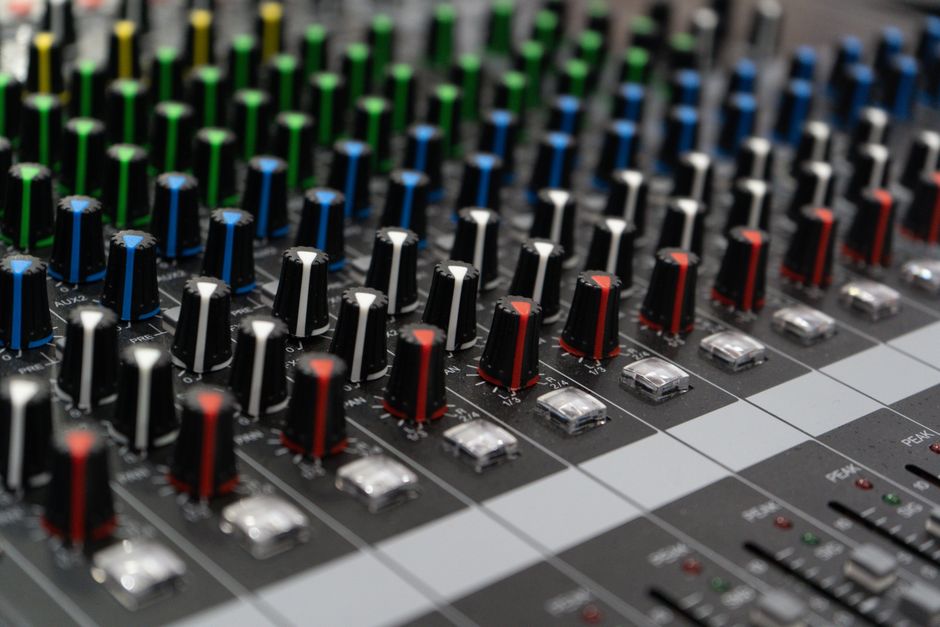
Photo by Kishan Rahul Jose
Noise Gates in Mixers: Why They Matter for Cleaner Audio
That low hum from a guitar amp, the hiss from a cheap microphone, or the rumble from a noisy HVAC system can ruin a live stream, podcast, or recording session. Without effective noise gating, every instrument and vocal track carries unwanted background artefacts that clutter your mix. A mixer with a well-implemented audio gate can silence these gremlins automatically, letting you deliver the clean, professional sound your audience expects. In 2026, whether you are streaming gameplay, hosting a band rehearsal, or running a small studio, having a mixer with reliable noise reduction is no longer a luxury: it is a necessity for clear, crisp audio.
The difference between a passable track and a polished one often comes down to how well you control the noise floor. A gate that opens only when the signal is above a certain threshold stops background noise from bleeding into silent sections, while a poorly set gate can cut off notes or leave clicks and pops. Mixers equipped with dedicated noise reduction circuits or built-in gates give you precise control over this process, allowing you to dial in the right threshold, attack, and release for your environment. This matters especially in untreated rooms or live settings where ambient sound is unpredictable.
When evaluating a mixer for its noise-gating capabilities, three factors stand out. First, the quality of the preamps: cleaner preamps mean less noise to gate in the first place. Second, the flexibility of the gate controls: adjustable threshold, attack, release, and hold times let you fine-tune the gate to the source. Third, the overall signal‑to‑noise ratio: a mixer with a high SN ratio will naturally produce less hiss and hum. Beyond gating, channel count, connectivity (USB, Bluetooth, XLR), and build materials also affect long‑term reliability and ease of integration with your existing gear.
The 2026 market for audio mixers spans a wide price range, from about $2.00 – $509.00. You will find everything from simple passive sub‑mixers for under $30 to full‑featured digital consoles with integrated WiFi and programmable preamps for over $500. Brands such as Behringer, MAONO, Depusheng, and LiNKFOR offer models that cater to different needs: some focus on noise reduction for streaming, others on ultra‑low noise for sub‑mixing, and still others on comprehensive DSP effects including gates. The key trade‑off lies in the level of control and build quality versus affordability.
In the sections below, you will find a detailed buying guide, recommendations for different user profiles, a transparent look at our methodology, and answers to common questions. By the end, you will know exactly which mixer with strong audio‑gate features fits your specific needs and budget.

2

3

4

The Behringer XR18 is a versatile 18-input digital mixer with 16 MIDAS-designed preamps, built-in Wi-Fi, and 18x18 USB recording. Ideal for live sound and studio use, it offers pro-grade audio quality and tablet control for flexible mixing on the go.
Pros & Cons
Pros
- Exceptional sound quality from MIDAS preamps rivals high-end consoles.
- Seamless tablet integration with responsive, full-featured app.
- Built-in Wi-Fi module works reliably without extra hardware.
- Extensive I/O: 16 XLR inputs, 2 main XLR outs, plus TRS and aux outputs.
- Affordable price point for a fully-featured digital mixer with recording capabilities.
Cons
- No physical faders; all control is via tablet, which may be a learning curve for traditional users.
- Built-in Wi-Fi range can be limited in large venues; a dedicated router may be needed for extended coverage.
- USB audio interface limited to 18x18 channels; higher channel counts require external interfaces.
- No onboard processing for standalone operation without a tablet.
Detailed Review
The Behringer XR18 is a powerful 18-input digital mixer designed for live sound reinforcement, recording, and studio applications. It features 16 programmable MIDAS-designed preamps that deliver exceptionally clean, low-noise audio, a hallmark of professional-grade consoles. The built-in Wi-Fi module allows direct connection to iPad or Android tablets via the X-AIR app, giving you full control over EQ, dynamics, effects, and routing from anywhere within range.
In real-world use, the XR18 shines in small-to-medium venues, rehearsal spaces, and house-of-worship settings. The 18x18 USB audio interface simplifies multi-track recording to a computer or iPad, making it a versatile tool for live albums or practice sessions. The Dugan-style auto-mixing feature (available via future firmware) intelligently manages microphone gain sharing, reducing feedback and engineer workload.
Build quality is solid for the price, with a metal chassis and robust connectors. At 7.1 pounds, it's portable enough for mobile setups. However, the lack of physical faders means you rely entirely on the tablet interface, this can be a drawback for those who prefer tactile control or need quick adjustments during a performance. Wi-Fi range is adequate for most rooms but may require an external router in larger spaces.
Overall, the Behringer XR18 offers exceptional value for musicians, sound engineers, and content creators who want a compact, feature-packed digital mixer with pro audio quality. It's best for those comfortable with tablet-based workflows and who need integrated recording capabilities.
Key Features
16 MIDAS Programmable Preamps: These preamps provide ultra-low noise, high headroom, and transparent gain, critical for capturing delicate acoustic instruments or powerful vocals without coloration.
Built-in Tri-Mode Wi-Fi Router: Eliminates the need for external network hardware. You can connect your tablet directly to the mixer for instant control, or use it as an access point for multiple devices.
18x18 Multi-Channel USB Audio Interface: Streams up to 18 inputs and 18 outputs over USB, enabling direct multi-track recording to your DAW or iPad without extra converters.
Dugan-Style Auto-Mixing: Automatically adjusts microphone gain sharing to maintain consistent levels and minimize feedback, especially useful for panel discussions, conferences, or multi-mic setups.
Comprehensive App Control: The X-AIR app offers full parameter control, including 4-band parametric EQ, compression, gates, and 8 stereo effects processors. You can create and recall scenes for different shows.
Versatile I/O: 16 XLR/TRS combo inputs, 2 XLR main outputs, 4 aux sends, and 4 TRS outputs provide flexibility for monitoring, effects loops, and subwoofer feeds.
Use Cases
Live Bands & Small Venues: The XR18 is perfect for mixing a full band in clubs, bars, or outdoor stages. Its 16 inputs handle drums, guitars, vocals, and keys, while the tablet control lets the sound engineer roam the room to dial in the mix.
House of Worship & Corporate Events: Auto-mixing and scene recall simplify managing multiple speakers or worship teams. The built-in recording capability captures sermons or performances for later podcasting or archiving.
Studio Recording & Podcasting: Use the XR18 as a multi-channel USB interface to record up to 18 tracks simultaneously. Its MIDAS preamps ensure clean captures for demos, live sessions, or remote recording setups.
Rehearsal Spaces: Bands can use the mixer for practice, recording rehearsals for review, and quickly adjusting levels via tablet without interrupting the flow.
Portable Systems: Lightweight and compact, the XR18 is ideal for mobile DJs, solo performers, or anyone who needs a high-quality mixer that fits in a backpack.
5

6

7

The Depusheng DX8 is an affordable 8-channel mixer with Bluetooth streaming and USB playback, ideal for simple live mixing, karaoke, or outdoor PA setups. It offers good value for money but lacks advanced features like mute buttons and high-quality built-in effects.
Pros & Cons
Pros
- Eight input channels accommodate multiple microphones or instruments simultaneously.
- Bluetooth and USB playback offer simple wireless and wired audio source integration.
- 48V phantom power supports high-quality condenser microphones.
- Compact, dust-resistant design fits easily in a backpack for portable use.
- Affordable price point for a multi-channel mixer with basic features.
Cons
- No mute buttons on individual channels, making it hard to silence inputs quickly.
- Built-in effects are poor, especially the lack of a usable reverb.
- USB connection is input-only and cannot act as a full audio interface for recording.
- Headphone output and aux send have been reported as non-functional on some units.
- Proprietary power connector with locking screw is hard to replace if lost or damaged.
- Preamp headroom is limited, so adding too much EQ gain can cause distortion.
Detailed Review
The Depusheng DX8 is an 8-channel audio mixer designed for budget-conscious users who need a simple mixing solution for live performances, karaoke, streaming, or small outdoor events. With Bluetooth connectivity, USB/MP3 playback, and 48V phantom power, it offers a generous feature set at a sub-$100 price point.
In real-world use, the mixer performs well for basic mixing tasks. Sound quality is clean when gain is set conservatively, and the three-band EQ on each channel provides enough tonal shaping for most applications. The Bluetooth streaming works reliably within about 30 feet, making it easy to cue music from a phone without cables, great for a campsite karaoke night or outdoor party. The thin 1.4-inch profile and rugged chassis with sealed rotary controls make it surprisingly portable and dust-resistant, a plus for outdoor use.
However, the DX8 has several notable limitations. The built-in digital effects are poor, lacking a usable reverb, and the USB port only plays audio (it is not a full recording interface). Some users report issues with the headphone jack and aux send not working, and there are no mute buttons on channels, which can be frustrating during live mixes. Preamp headroom is limited, so pushing EQ or gain too hard introduces distortion.
Overall, the Depusheng DX8 is a good entry-level mixer for those on a tight budget who need multiple channels and Bluetooth capability for casual use. It is not recommended for professional recording or demanding live sound applications. If you need mute buttons, better effects, or a full USB interface, consider investing in a higher-end model.
Key Features
- Bluetooth Wireless Streaming: Stream music from your phone wirelessly, perfect for adding background music or backing tracks at an outdoor event without extra cables.
- 48V Phantom Power: Powers high-quality condenser microphones, giving you crisp vocal clarity for live streaming, podcasting, or outdoor karaoke.
- 8 Input Channels with 3-Band EQ: Connect up to eight microphones or instruments and adjust bass, mid, and treble to suit the acoustics of any outdoor space.
- USB/MP3 Playback: Plug in a USB drive with music files for instant playback, handy when you don't have a phone handy.
- Ultra-Thin Rugged Chassis: At only 1.4 inches thin with sealed rotary controls, this mixer resists dust and slips into a backpack for easy transport to your gig site.
- LED Peak Level Meter: Keep an eye on your output levels to prevent distortion and ensure clean sound, even in bright sunlight.
Use Cases
- Campground Karaoke Nights: Set up a microphone, connect your phone via Bluetooth, and let friends sing along to their favorite tunes around the campfire.
- Outdoor Live Streaming: Use a condenser mic with 48V phantom power to capture pro-level vocals for a stream from a scenic hiking spot or park.
- Small Acoustic Gigs: Run multiple microphones and a guitar direct input for an intimate outdoor concert, mix vocals and instrument levels easily.
- Portable PA for Events: Connect the mixer to powered speakers to provide audio for a wedding reception, school event, or community gathering in a field.
- Podcasting in Remote Locations: Record discussions with multiple people in a tent or cabin using the mixer's USB playback feature, though note it does not record via USB.
8

9

10

Audio Mixer Buying Guide: Key Criteria for Effective Noise Gating
Noise Gate Performance and Controls
The heart of a gate is how accurately it responds to your signal. Look for models that offer adjustable threshold, attack, release, and hold parameters. A threshold that ranges from -80 dB to 0 dB gives you room to gate anything from a quiet room tone to a loud snare drum. Attack times from 0.1 ms to 10 ms let you preserve the natural transient of a kick or snare, while release times from 10 ms to 2 seconds keep the gate from chattering on sustained notes. Some mixers also include hysteresis or range controls to fine‑tune the closed attenuation.
Not all mixers label their gate controls directly. Some integrate gating into a broader DSP effects section, others implement it as a dedicated channel strip. Pay attention to user manuals and firmware menus. The best mixers for noise gating also provide a visual indicator (like an LED per channel) that shows when the gate is open or closed, which is invaluable during live sound checks.
Preamp Quality and Signal‑to‑Noise Ratio
A gate can only work with the signal you give it. If your preamps introduce significant hiss or distortion, the gate will have to work harder and may create artefacts. Look for mixers with high‑quality microphone preamps that boast low Equivalent Input Noise (EIN) and high gain (at least 55 dB). The signal‑to‑noise ratio should be above 100 dB on the main outputs for clean headroom. Phantom power (48V) is essential for condenser microphones, which are common in podcasting and vocal recording.
Many modern mixers incorporate digital processing that can add latency. For real‑time monitoring, especially for guitarists or vocalists using in‑ear monitors, keep latency below 10 ms. Analog mixers generally have zero latency but may lack the sophisticated gating algorithms of digital units. Choose based on your primary use case: analog for quick, latency‑free setups, digital for deeper control and recall.
Channel Count and Connectivity
How many inputs do you need? A solo streamer might only need two or four channels, while a full band requires eight to 16. Beyond channel count, consider the types of connectors: XLR for microphones, 1/4″ TRS for line‑level instruments, and RCA or 3.5mm for consumer devices. USB audio interface connectivity is almost mandatory for modern recording and streaming, as it allows you to send individual tracks or a stereo mix to your computer. Bluetooth input is convenient for backing tracks but avoid Bluetooth for critical gating due to latency.
For sub‑mixing purposes, passive mixers (like the LiNKFOR CX400) require no power and can combine several line‑level signals before feeding into a gate on a main mixer. However, they offer no gating themselves. Active mixers with built‑in gates give you per‑channel control, which is far more powerful for live sound.
Build Quality and Portability
If you travel for gigs or move gear between rooms, a sturdy metal chassis is far superior to plastic. Metal shells protect internal components from bumps and drops. Weight also matters: a 2‑pound mixer is easier to pack than a 10‑pound console. Look for mixers with recessed jacks and robust knobs that won’t snap off. Rack‑mountability is a plus for permanent installations.
Power supply type is another consideration. Many compact mixers use an external power brick, which can be lost or damaged. Larger consoles often have internal power supplies with IEC cords. If you need battery‑powered operation (for outdoor events), check whether the mixer accepts USB‑C power delivery.
Additional Features: Effects, EQ, and Recording
Beyond gating, built‑in effects like compression, reverb, and delay can save you external processors. An integrated 9‑band EQ per channel gives you tonal shaping before the gate, which can improve gating accuracy. Multi‑track recording via USB is ideal if you plan to mix in a DAW later. Some mixers also include one‑knob compression, which simplifies dynamic control for beginners.
Ultimately, the best mixer for noise gating is one that aligns with your workflow. A digital mixer with recallable settings (like the Behringer X‑AIR series) is perfect for consistent studio sessions, while an analog mixer with simple gate knobs is more intuitive for live‑sound engineers who need to react fast.
Who Should Buy Which Mixer: Matching Features to Users
Budget‑conscious content creators who need basic noise reduction for solo streaming or podcasting will find the MAONO G3 Gaming Audio Mixer an excellent starting point. Priced at $89.99 with 4 faders, 3 submixes, and dedicated noise reduction, it offers a surprisingly effective gate for the cost. Its 57dB XLR input handles dynamic microphones well, and the Windows Arena control makes it plug‑and‑play for PC streamers. If you are building your first setup and want a dedicated noise gate without breaking the bank, this is the model to choose.
For home studio owners and semi‑professional users who need multiple channels and DSP effects, the Depusheng Audio Mixer Professional 8 channel, DX8 Sound Board DJ Mixing Console System Interface USB MP3 Input Bluetooth 48V Phantom Power, Black, USB Audio Mixer for PC, for Studio Karaoke Live Music provides excellent value. With eight channels, Bluetooth input, and phantom power, it can handle a small band or a podcast roundtable. While it does not label a dedicated noise gate, the overall signal‑to‑noise ratio and EQ section help reduce noise through careful gain staging. It is best for users who already understand proper gain structure and want a flexible, affordable console.
Professional sound engineers and touring musicians should look at the Behringer X AIR XR18 18‑Channel, 12‑Bus Digital Mixer for iPad/Android Tablets with 16 Programmable Midas Preamps, Integrated Wifi Module and Multi‑Channel USB Audio Interface. At $509.00, it is the most expensive model here, but it delivers studio‑grade preamps, full digital control (including noise gate, compressor, and EQ on every channel), and recallable scenes via WiFi. The Midas preamps are legendary for low noise, making this the top pick for anyone who demands pristine audio and extensive control over gating parameters.
For ultra‑budget sub‑mixing where gating is handled by downstream gear, the LiNKFOR 4 Channel Stereo Audio Mixer CX400 Metal Shell Support RCA Input and Output Mini Passive Stereo Mixer with Separate Volume Controls is a solid utility tool. It is completely passive, so it introduces no noise itself, and its metal shell survives gig bags. Best used as a line‑level combiner before your main mixer’s gate inputs. Similarly, the Stereo Line Mixer for Sub‑Mixing, 1/4″ & 1/8″ TS & TRS Output and Input for Electronic Drum, Guitars, Bass, Keyboards LZSIG Mini Audio Mixer, Ultra Low‑Noise, 4‑Channel, 4 IN 1 OUT is perfect for drummers and keyboardists who need to aggregate several line‑level sources with minimal noise.
How We Choose These Products
We do not test products ourselves. Every product on this page comes from the catalogues of the retail and affiliate networks we work with, and the order reflects the data those catalogues publish: manufacturer specifications, customer rating and review counts, current price and the size of any discount.
Where this guide describes how a product performs, it is summarising what the manufacturer states and what customers report in public reviews, not our own measurements. Prices and availability change often, so check the retailer’s own page before buying. We earn a commission on purchases made through our links, at no extra cost to you.
Related Guides
- Best Commercial Mixers for Kitchen Compared and Ranked in 2026
- Best Audio Electronic Mixers for Under 500 Worth Buying in 2026
- Best Audi Mixers Compared and Ranked in 2026
Frequently Asked Questions
How do noise gates work in a mixer?
A noise gate is essentially a volume‑controlled switch. It allows audio through only when the signal level exceeds a set threshold. Once the signal drops below the threshold, the gate closes, silencing the channel. Most gates let you adjust the attack (how fast it opens), release (how fast it closes), and sometimes a hold time. Some mixers implement this per channel, while others include a global gate in the master section.
Can I add an external noise gate to a mixer that doesn’t have one?
Yes, you can use outboard gate processors inserted into the channel’s insert point or placed inline between the source and the mixer. Pedal‑style guitar gates also work for instruments. However, built‑in gates are more convenient and eliminate extra cables and power supplies. The mixers in this guide that lack a dedicated gate (like the passive LiNKFOR or Cooidea) are best used with external gear.
What threshold setting should I use for a noisy room?
Start by observing the noise floor when no one is playing or speaking. Set the threshold just above that level, typically around -40 dB to -30 dB for most environments. Then play a quiet passage to confirm the gate doesn’t cut off wanted audio. Adjust the release to be fast enough to catch quick transients but slow enough to avoid a “chattering” sound. Experimenting with a few settings while monitoring the channel’s meters is the best approach.
Do digital mixers offer better noise gating than analog mixers?
Digital mixers like the Behringer X‑AIR XR18 can implement sophisticated gating algorithms with adjustable knee, range, and look‑ahead features that are difficult to replicate with analog circuitry. They also allow saving and recalling gate settings per scene. Analog mixers typically offer simpler controls (threshold only), but they have zero latency and a more natural feel for many engineers. The choice depends on whether you need recallable precision or instant tactile control.
How many channels do I need for a podcast or small band?
For a solo podcast with one microphone and a phone line‑in, two channels are enough. For a four‑person podcast with backup music, look for a 6‑ to 8‑channel mixer. A small band (drums excluded) typically needs 8 to 12 channels. The Depusheng DX8 offers eight channels, while the MAONO G3 has four. Plan for at least two extra channels for future expansion.
Is USB audio interface quality important for streaming?
Absolutely. A mixer with a built‑in USB interface lets you send a clean stereo mix to your computer without extra gear. The quality of the interface determines latency and sample rate capabilities. For streaming, USB class‑compliant drivers are easiest to set up. The Behringer X‑AIR XR18 supports 18‑channel USB audio, which is overkill for most streamers but excellent for multi‑track recording.
Final Verdict
We have compared 10 different audio mixers spanning a wide price range from budget sub‑$30 passive units to professional digital consoles exceeding $500. Each model serves a distinct purpose, from basic sub‑mixing to full live sound reinforcement with advanced noise gating. Our analysis shows that you can achieve clean, gate‑controlled audio at almost every price point, as long as you choose the right tool for your specific workflow.
Our top overall pick is the Behringer X AIR XR18 18‑Channel, 12‑Bus Digital Mixer for iPad/Android Tablets with 16 Programmable Midas Preamps, Integrated Wifi Module and Multi‑Channel USB Audio Interface. Its combination of ultra‑clean Midas preamps, per‑channel digital gates with full parameter control, and wireless scene recall makes it the most capable mixer for noise‑critical applications. It is the best choice for sound engineers and musicians who refuse to compromise on audio quality.
For best value, the MAONO G3 Gaming Audio Mixer stands out at $89.99 with its dedicated noise reduction, 4 faders, and dual‑PC setup. It is ideal for streamers and podcasters just starting out. If you need a simple, ultra‑budget sub‑mixer for line‑level sources, the LiNKFOR 4 Channel Stereo Audio Mixer CX400 Metal Shell Support RCA Input and Output Mini Passive Stereo Mixer with Separate Volume Controls offers reliable metal construction for under $25. Whichever mixer you choose, understanding its gate capabilities and how to set them will dramatically improve the clarity of your final mix.

Join the discussion