1
Best Multitrack Recording Mixers Worth Buying in 2026

By Grady Sullivan
Photo by Dainé Zeferino
Multitrack recording mixers have become essential tools for musicians, podcasters, and content creators who need to capture multiple audio sources with precision and flexibility. Whether you are tracking a full band, recording a podcast with multiple hosts, or streaming live performances, the right mixer can streamline your workflow and elevate your sound quality. In 2026, the market offers a wide range of options across $349.99 – $1,199.00, from compact and affordable models to professional-grade consoles with advanced features.
Choosing the wrong multitrack recorder can lead to frustrating limitations, such as insufficient inputs, poor preamp quality, or lack of connectivity options. On the other hand, investing in a well-designed mixer can provide you with reliable performance, intuitive controls, and the ability to expand your setup as your needs grow. The right choice can save you time during recording sessions and ensure that your final mixes sound polished and professional.
In 2026, the market is filled with options from brands like ZoomNorthAmerica, each offering unique features and price points. You will find everything from budget-friendly mixers with basic functionality to high-end consoles with motorized faders, advanced effects, and multi-track USB interfaces. The key is to balance your specific needs, such as the number of inputs, portability, and integration with your existing gear, against your budget.
This guide evaluates 10 models across $349.99 – $1,199.00, highlighting their strengths and potential drawbacks. In the following sections, you will find a detailed buying guide, a list of recommended products with in-depth reviews, and answers to frequently asked questions to help you make an informed decision.
2

3

4

5

6

7

8

9

10
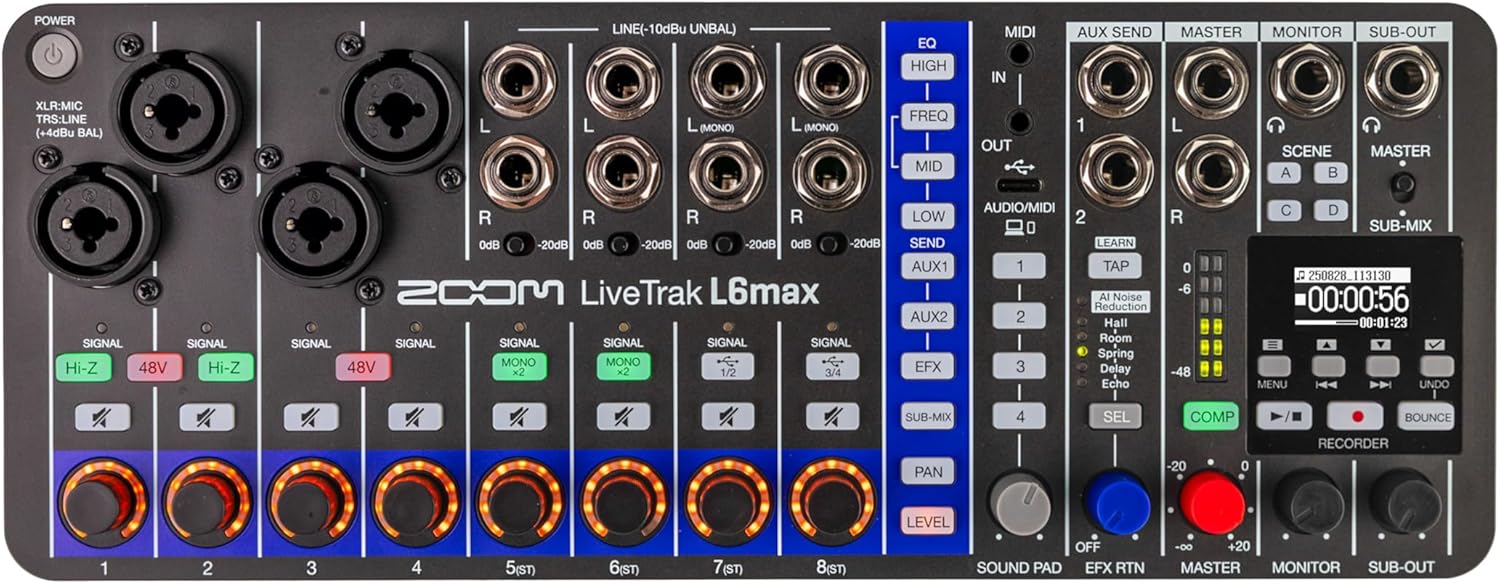
The Zoom LiveTrak L6max is a 12-channel, battery-powered digital mixer and multitrack recorder with 32-bit float audio, AI noise reduction, and sound pads. It is best for mobile musicians, podcasters, and live performers who need a compact, all-in-one rig that records clean multitrack audio without a computer.
Pros & Cons
Pros
- 12 channels and 14-track recording in a compact, battery-powered unit
- 32-bit float dual AD converters on channels 1-4 prevent clipping with extreme input levels
- AI noise reduction cleans up background noise in real time, reducing post-production work
- USB class-compliant audio interface works with many PCs and Macs without extra drivers
- Intuitive layout with assignable rotary controls, scene storage, and built-in effects for quick live changes
- Multiple power options including AA batteries, USB bus power, or a mobile battery pack
Cons
- Official Windows ASIO driver has reported stability issues, requiring third-party workarounds like FlexASIO
- Battery life is limited without connecting a USB-C power supply
- 32-bit float recording is available only on the four combo inputs, not on the eight stereo line inputs
Detailed Review
The Zoom LiveTrak L6max is a 12-channel digital mixer and multitrack recorder built for musicians, podcasters, and live streamers who need a portable, all-in-one solution. With four combo XLR/TRS inputs, eight stereo line inputs, and the ability to record 14 separate tracks to an SD card, it replaces multiple pieces of gear in a compact 2.2-pound chassis.
Unlike desktop-bound interfaces, the L6max runs on AA batteries, USB power, or a mobile battery pack, making it a dependable partner for location recording, outdoor jam sessions, or any gig where wall power is unreliable. The 32-bit float recording on channels 1-4 means you never have to stress about clipping when a vocalist suddenly belts or a drummer hits harder than expected. You can focus on the performance and sort out levels later.
The layout is easy to learn: a vertical button column assigns each channel's rotary knob to volume, pan, EQ, or effects, and scenes save your whole setup for instant recall between acts. The mic preamps are clean, the headphone amp is solid, and the jacks feel robust enough for regular travel and gig use.
There are honest drawbacks. The official Windows ASIO driver has caused freezes for some users, and a third-party driver like FlexASIO is sometimes needed. Battery life is also short when running on AAs alone, so plan to bring a USB-C power source for longer sessions. And if you need 32-bit float on every channel, note that only the four combo inputs offer it.
If you are a mobile musician, podcaster, or electronic artist who wants a compact mixer with serious recording capability and a short learning curve, the L6max is a fantastic choice. If you require 32-bit float on all inputs or depend on stable Windows drivers out of the box, consider your workflow carefully or budget for a workaround.
Key Features
12-Channel Mixing with 14-Track Recording: Connect four mics or instruments and eight stereo line sources, then record every input separately to SD cards up to 2TB. This gives you complete multitrack capture for live shows, rehearsals, or podcasts without needing a laptop.
32-Bit Float Dual AD Converters (Channels 1-4): Record extreme dynamics without clipping. Quiet dialogue and loud peaks both come through clearly, so you can skip constant gain adjustments during unpredictable performances.
AI Noise Reduction: Hum, hiss, and background noise are removed in real time while preserving the voice and instrument details. This is a huge time-saver when recording in noisy venues or untreated rooms.
Built-In Effects and 3-Band EQ: Add reverb, delay, compression, and EQ without external pedals or plugins. It helps you craft a polished sound quickly and carry less gear.
Sound Pads with MIDI Clock Sync: Trigger samples, jingles, and sound effects in sync with your MIDI gear. Perfect for electronic performances and live podcast intros.
Multiple Power Options: AA batteries, USB bus power, or a mobile battery pack let you record and perform anywhere. This is essential for field recordings, street performances, or remote sessions.
USB Audio Interface: Class-compliant USB connectivity supports 48kHz/24-bit streaming to a computer for live streaming or DAW recording. Many users find it works without installing drivers.
Use Cases
Live Band Rehearsal and Recording: Set up mics and instruments, hit record, and capture every channel separately. Later blend the tracks in your DAW to create a rough mix or a finished recording.
Mobile Podcasting: With four mic inputs and sound pads for intros, outro music, or listener questions, the L6max turns into a portable podcast studio. Battery power lets you record interviews in a car, coffee shop, or outdoors without hunting for an outlet.
Live Electronic Performance: Use the sound pads, MIDI clock, and effects sends to build a compact setup with drum machines, synths, and a microphone. The small footprint fits on a crowded desk or performance table.
Content Creation and Streaming: The USB audio interface connects to your computer for streaming, while the SD card recording serves as a high-quality backup. You can record your voice and game or instrument audio on separate tracks for easier editing.
Field Recording and Location Capture: The rugged, compact design and multiple power options make it suitable for recording rehearsals in unusual spaces, outdoor workshops, or quick interviews on the go. Just press record and keep the energy flowing.
Multitrack Recording Mixers Buying Guide
When selecting a multitrack recording mixer, several critical factors come into play. Understanding these aspects will help you choose a model that fits your specific recording environment and workflow.
Durability and Build Quality
The build quality of a mixer determines its longevity, especially if you plan to use it for live performances or frequent travel. Look for models with sturdy metal chassis, robust faders, and reliable knobs that can withstand regular use. A well-built mixer not only lasts longer but also maintains its performance over time, reducing the need for repairs or replacements. Consider the weight and form factor as well; a heavier, more solid unit might be less portable but can offer better stability in a fixed studio setup.
Input and Output Flexibility
The number and type of inputs are crucial. Depending on your needs, you might require multiple XLR inputs for microphones, line inputs for instruments, or even high-impedance inputs for guitars. Additionally, check for balanced outputs, direct outs, and the ability to route audio to multiple destinations. Some mixers offer multi-track USB interfaces, which allow you to record each channel separately to a computer, providing greater flexibility during mixing. Consider future expansion, having extra inputs can be beneficial if you plan to add more sources later.
Connectivity and Integration
Modern mixers often include USB or Bluetooth connectivity for easy integration with computers, tablets, and smartphones. This feature is essential for recording directly to a DAW or streaming live sessions. Check for compatibility with popular recording software and whether the mixer acts as a plug-and-play device. Additionally, look for features like MIDI I/O, which can be useful for syncing with external gear or controlling virtual instruments. For more advanced setups, consider mixers with Wi-Fi control via mobile apps, allowing you to adjust settings remotely.
Ease of Use and Workflow
A mixer with an intuitive layout can significantly speed up your recording process. Look for clear labeling, logically arranged controls, and a user-friendly interface. Features like one-touch recording, scene recall, and motorized faders can enhance your workflow, especially in live settings where quick changes are needed. Additionally, consider the learning curve, if you are new to mixing, a simpler model with fewer bells and whistles might be more approachable, while experienced engineers might prefer more advanced options.
Maintenance and Long-Term Value
Think about the long-term value of your investment. Some mixers require regular maintenance, such as cleaning faders or updating firmware. Check for the availability of spare parts and the manufacturer’s reputation for customer support. A mixer that receives regular firmware updates can gain new features and improved stability over time, extending its useful life. Additionally, consider the resale value, certain brands hold their value better than others, which could be a factor if you plan to upgrade in the future. For more insights on choosing durable audio gear, you can refer to Sound On Sound’s buying advice.
Who Should Buy Which Mixer?
Each multitrack recording mixer in this guide serves different needs, and understanding their unique strengths will help you decide which one aligns with your specific requirements.
Zoom LiveTrak L-20 Mixer/Recorder for Musicians & Podcasters
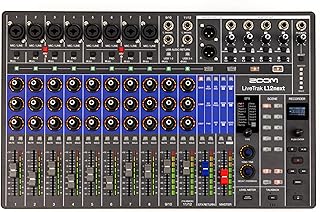
The Zoom LiveTrak L-20 is a versatile 20-input, 22-channel mixer that offers six headphone outputs, wireless iOS control, and USB audio interface capabilities. It is an excellent choice for musicians who need to record live shows or band rehearsals, as it allows you to capture multiple tracks simultaneously. The wireless control via iOS devices is a standout feature, enabling you to adjust levels from anywhere in the room. However, its relatively complex feature set may be overwhelming for beginners, and the mixer is somewhat large and heavy, making it less portable than other models.
For podcasters, the L-20 provides ample inputs for multiple microphones and the ability to record each host on separate tracks, simplifying post-production. The six headphone outputs are perfect for multi-person monitoring, ensuring everyone can hear the mix without latency. While it lacks built-in effects, the integration with your DAW via USB more than compensates. If you need a reliable, feature-rich mixer for demanding recording sessions, the Zoom LiveTrak L-20 is a solid investment.
Best Value and Premium Picks
For those on a budget, consider mixers that offer essential features without breaking the bank. The Mackie Onyx Series, 24-Channel Premium Analog Mixer with Multi-Track USB is a high-end option that provides excellent audio quality and extensive routing capabilities. It is ideal for professional studios that require a large number of inputs and reliable performance. On the other hand, if you are just starting out, a smaller mixer with fewer channels might be more practical, allowing you to focus on the basics before expanding your setup.
For live performers, a mixer with robust effects and scene recall is crucial. The Zoom LiveTrak L-20, with its wireless control and multi-track recording, stands out as a top choice for on-the-go artists. Meanwhile, content creators who produce videos or podcasts will benefit from mixers with USB audio interfaces, simplifying the connection to their computers. Ultimately, the right mixer depends on your specific use case, whether it is studio recording, live sound, or content creation.
How We Choose These Products
We do not test products ourselves. Every product on this page comes from the catalogues of the retail and affiliate networks we work with, and the order reflects the data those catalogues publish: manufacturer specifications, customer rating and review counts, current price and the size of any discount.
Where this guide describes how a product performs, it is summarising what the manufacturer states and what customers report in public reviews, not our own measurements. Prices and availability change often, so check the retailer’s own page before buying. We earn a commission on purchases made through our links, at no extra cost to you.
Related Guides
- Best Music Mixers Downloads in 2026
- Top Best Multitrack Recording Mixers Reviewed for 2026
- Best Music Mixers and Editors of 2026
Frequently Asked Questions
What is the ideal number of inputs for a multitrack recording mixer?
The ideal number of inputs depends on your recording needs. If you are recording a solo artist or a small band, 8 to 12 inputs may suffice. For larger ensembles or if you plan to record drums with multiple microphones, consider mixers with 16 or more inputs. It is always better to have extra inputs for future expansion, as you can always use them for additional sources or effects returns.
Can I use a multitrack recording mixer with my computer?
Yes, most modern multitrack recording mixers come with USB or FireWire connectivity, allowing you to connect them directly to your computer. This enables you to record multiple tracks simultaneously into your DAW, making the mixer an audio interface. Some mixers also support wireless control via mobile apps, providing even more flexibility. Always check the compatibility with your operating system and DAW before purchasing.
How important are built-in effects in a mixer?
Built-in effects can be convenient, especially for live performances where you might need reverb, delay, or compression on the fly. However, many recording engineers prefer to apply effects during the mixing stage using software plugins, which offer more flexibility and higher quality. If you are just starting out, built-in effects can be a helpful tool, but they are not a substitute for a good DAW and plugins. Consider your workflow and whether you need effects during recording or if you are comfortable adding them later.
What is the difference between an analog and a digital mixer?
Analog mixers process audio using analog circuits, providing a warm, classic sound that many engineers prefer. They are often simpler to operate and do not require a computer. Digital mixers, on the other hand, use digital signal processing to offer advanced features like scene recall, effects, and multi-track recording. They are more flexible and can be integrated with software, but they may have a steeper learning curve. Your choice depends on your preferences and the type of projects you work on.
How do I connect a mixer to my PA system for live sound?
To connect a mixer to a PA system, you typically use balanced XLR or TRS cables from the mixer’s main outputs to the PA’s input. If your mixer has a separate monitor or aux sends, you can also connect stage monitors. Ensure that the levels are set appropriately to avoid distortion. Some mixers also offer digital outputs, such as AES/EBU or S/PDIF, which can be connected to digital PA systems for a cleaner signal.
Final Verdict
In summary, the multitrack recording mixer market in 2026 offers a diverse range of options, from compact and affordable models to professional-grade consoles. Our guide has covered 10 products across $349.99 – $1,199.00, ensuring that there is something for every type of user, whether you are a musician, podcaster, or content creator. The key is to identify your specific needs and match them with the right features and capabilities.
For musicians and podcasters, the Zoom LiveTrak L-20 stands out as a top pick due to its extensive input options, wireless control, and multi-track recording capabilities. Its ability to record up to 22 channels makes it a versatile tool for capturing live performances and studio sessions. While it may be more expensive than entry-level mixers, its features justify the investment for serious users. If you are looking for a high-end option, the Mackie Onyx Series, 24-Channel Premium Analog Mixer with Multi-Track USB offers exceptional audio quality and reliability, making it a worthwhile choice for professional studios.
Ultimately, the best multitrack recording mixer for you depends on your specific requirements, such as the number of inputs, portability, and budget. We recommend considering the factors outlined in our buying guide and testing a few models if possible. By making an informed decision, you can enhance your recording experience and achieve professional results.

Join the discussion