1
Best Mixers for Console Streaming in 2026

By Nolan Fitzgerald
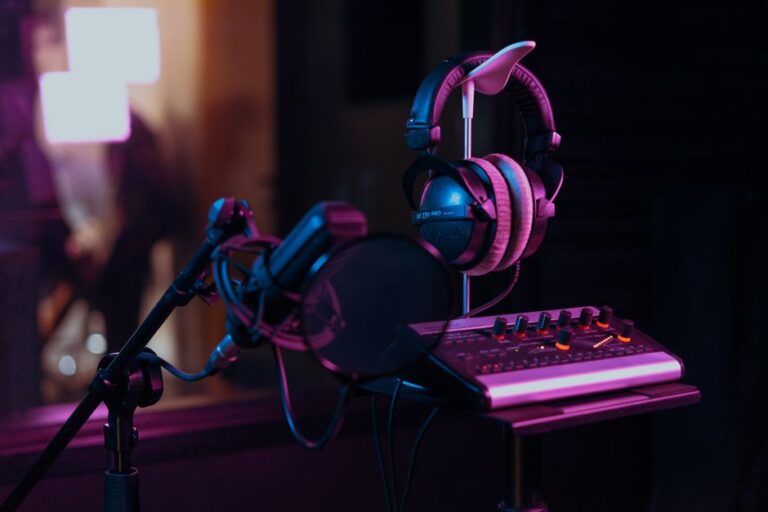
Photo by Sinan KRIYA
Why Your Console Stream Sounds Off Without the Right Mixer
You’ve got the gameplay locked in, your commentary is sharp, but something feels off to your viewers. The music from your console overpowers your voice, game audio peaks and distorts, and your mic picks up every keyboard clack. This is the reality for many console streamers who rely on a single headset or a basic USB mic. A dedicated audio mixer is the gear that separates a chaotic, amateur-sounding stream from a clean, professional broadcast that keeps audiences engaged.
Without proper mixing, your stream’s audio quality directly impacts your viewer’s experience. Constant volume spikes and muddled voice can drive people away, and it can make even the most exciting gameplay feel dull. On the flip side, a well-mixed stream sounds polished and credible. It lets your personality shine through, keeps viewers watching for longer, and can even help you grow your channel. The right mixer gives you the control to balance game audio and your voice in real-time, creating a seamless and enjoyable listening experience.
So, what makes a good mixer for console streaming? First, look for a model with multiple physical faders or knobs. This allows you to adjust game audio, your microphone, and other sound sources independently without diving into menus. Second, consider the connectivity options. A mixer with a USB interface is essential for connecting to your console or PC, and having extra inputs like a 3.5mm aux or Bluetooth is a huge bonus. Third, think about the build quality. It needs to withstand hours of use on a busy desk, so a solid, durable construction is key. Finally, the ease of use matters. You need intuitive controls that you can adjust mid-stream without missing a beat.
The market in 2026 offers a wide range of options, from budget-friendly units under $50 to professional-grade production studios that cost several hundreds. Brands like FIFINE, K-mxerpro offer mixers across this spectrum, each with different feature sets and trade-offs. Some focus on simple plug-and-play operation for beginners, while others provide advanced routing and effects for experienced streamers. This guide will help you navigate these choices and find the right mixer for your specific needs.
We’ll break down their key features, highlight their strengths and weaknesses, and provide a clear buying guide to help you make an informed decision. Whether you’re a beginner looking for your first mixer or a seasoned streamer looking to upgrade, we’ve got you covered. We have also reviewed other audio gear that can complement your setup, see our guide to USB audio interfaces.

2

The FIFINE Ampligame SC3 gaming audio mixer features XLR mic input with 48V phantom power, four independent channel sliders, and a mute button for real-time audio control. Perfect for streamers, podcasters, and outdoor content creators who want to upgrade their audio without complex setup.
Pros & Cons
Pros
- XLR input with 48V phantom power supports a wide range of professional microphones, including condenser mics.
- Individual channel sliders give you precise, real-time control over audio levels without needing to touch your software.
- Mute and monitor buttons are front-facing and easy to access, allowing quick muting and latency-free monitoring.
- Built-in sound effects and voice changer add creative options for engaging content.
- Plug-and-play USB-C connectivity works with Windows and Mac, and the compact design is highly portable.
Cons
- XLR cable not included, so you need to purchase separately for mic connection.
- Only one XLR mic input limits multi-mic setups; not ideal for interviews with multiple hosts.
- RGB lighting may be distracting in dark streaming environments if you prefer a minimalist look.
- Software update support is unknown, and some advanced features may require third-party software.
Detailed Review
The FIFINE Ampligame SC3 is a compact gaming audio mixer designed for streamers, podcasters, and content creators who need an affordable, easy-to-use interface to improve their audio quality. It features a single XLR microphone input with 48V phantom power, allowing you to connect professional condenser mics for crisp, clear voice capture. The mixer's four independent channel sliders give you individual control over mic, line-in, headphone, and line-out levels, so you can balance game audio, music, and commentary without diving into software settings.
In real-world use, the SC3 shines for solo streaming and recording. The front-facing mute and monitor buttons are intuitive and responsive, letting you cut background noise or hear yourself without latency. The built-in sound effects and voice changer add fun, creative options for engaging your audience. The RGB lighting is vibrant but not harsh, and you can freeze or flow the colors to match your stream theme. The mixer is powered via USB-C, making it easy to use with laptops or portable power banks, ideal for outdoor recording sessions or remote broadcasts.
Build quality is solid for its price point, with a sturdy plastic chassis and tactile controls that feel durable enough for regular transport. However, it's worth noting that the SC3 only supports one XLR mic input, so it's not suitable for multi-mic interviews or complex setups. Also, an XLR cable is not included, so factor that into your purchase. The mixer does not work with USB microphones, and software update support is unclear. Despite these limitations, the SC3 offers excellent value for solo creators who want a straightforward, feature-packed mixer without breaking the bank. It's best for beginner to intermediate streamers, podcasters, and outdoor content creators who prioritize portability and ease of use over advanced multi-channel capabilities.
Key Features
XLR Mic Input with 48V Phantom Power: Connect professional condenser microphones for superior audio clarity. Perfect for capturing your voice with detail, even in less-than-ideal acoustic environments like a campsite or trailhead.
Four Independent Channel Sliders: Independently adjust the volume of your microphone, line-in audio (e.g., music or game sounds), headphones, and line-out. This gives you fine-tuned control over your mix without needing to alt-tab out of your stream or recording software.
Front Mute and Monitor Buttons: Instantly mute your mic to cut background noise, and monitor your audio in real time with zero latency. These buttons are placed on the front panel for easy access during live sessions.
Built-in Sound Effects and Voice Changer: Six voice-changing modes and four customizable sound effect buttons let you add personality to your content. Record your own sounds and trigger them with a press, great for interactive streams or creative storytelling.
Controllable RGB Lighting: Choose from flowing or frozen RGB colors to match your setup or stream theme. The lights are vibrant but not distracting, adding a professional aesthetic to your broadcast.
USB-C Plug-and-Play: Connect to your PC or Mac via USB-C for both power and data. The mixer is recognized instantly without drivers, and the USB-C power input means you can run it from a portable battery pack for on-the-go use.
Use Cases
Outdoor Live Streaming: Take your stream to the trail or campsite. The SC3's compact size and USB-C power let you run it from a power bank, while the XLR input captures your voice clearly over ambient nature sounds. Use the mute button to cut wind noise instantly.
Remote Podcasting: Record high-quality podcasts from anywhere, whether you're in a cabin, at a park, or on a hiking break. The individual channel sliders let you balance your voice with background music or field recordings.
Travel Vlogging: Add professional audio to your video content without bulky gear. The SC3's lightweight design and simple controls make it easy to set up in any location, and the voice changer can add fun effects to your vlogs.
Campfire Storytelling: Engage your audience with interactive audio. Use the customizable sound buttons to add ambient effects like crackling fire or animal sounds, and the voice changer to transform your narration into different characters.
Gaming Streams: While not directly outdoor-related, the SC3 excels at home gaming streams, giving you precise control over game audio and mic levels. The RGB lighting adds flair to your setup, and the mute button ensures your stream stays clean when you need a break.
3

The K-mxerpro 8-channel mixer combines Bluetooth streaming, USB recording, and phantom power in a compact soundboard, making it a solid choice for podcasters, small gigs, and home studios. Its flexible inputs and built-in effects deliver clean, controllable audio without breaking the bank.
Pros & Cons
Pros
- Versatile I/O: eight channels with XLR and 1/4-inch inputs, plus REC/TAPE and headphone monitoring, cover everything from vocals to keyboards.
- USB recording and Bluetooth playback make it simple to capture sessions or stream music from any device without extra adapters.
- Hands-on control with per-channel EQ, gain, and effects sends lets you shape your sound in real time, which is crucial for live performance.
- Lightweight, low-profile housing and dust-resistant knobs add durability and portability for mobile musicians and content creators.
Cons
- Basic 3-band EQ and simple reverb/delay effects are functional but not as deep as higher-end digital mixers, limiting advanced sound design.
- No USB interface for multi-track recording, only stereo output to a computer, so it's better for live mixing than full studio production.
- Some users may find the build quality less rugged than premium brands at this price point, requiring careful handling on the road.
Detailed Review
The K-mxerpro 8-channel mixer is a compact analog soundboard designed for musicians, podcasters, streamers, and anyone who needs to mix multiple audio sources in live or recording settings. It offers eight input channels with XLR and 1/4-inch connectors, plus Bluetooth and USB connectivity for playing and recording audio. The built-in 48V phantom power expands your mic options, allowing you to use studio condenser microphones for vocals and acoustic instruments.
In practice, this mixer handles small performances, podcast sessions, and home recordings with ease. The per-channel gain, 3-band EQ, and effects sends give you real-time control, while the LED peak indicators help you avoid clipping. Bluetooth streaming is handy for playing backing tracks from a phone, and the USB port can be used for direct recording to a flash drive or connecting to a computer for playback and recording. The headphone output with PFL monitoring allows you to cue individual channels before sending them to the main mix.
The chassis is thin and lightweight, making it easy to pack into a gig bag or keep on a desk. Sealed rotary controls resist dust, and the faders feel smooth. However, the build is not tank-tough; you should handle it with care when transporting to shows. The effects section is basic, just reverb and delay, so if you need deep processing or multi-track USB recording, this unit will feel limited. It's best suited for live mixing and simple stereo recording rather than complex studio production.
Overall, the K-mxerpro is a practical, budget-friendly mixer for solo performers, small bands, podcasters, and content creators who want a straightforward board with flexible inputs and wireless convenience. If you require advanced digital effects or multi-channel computer recording, you should look at higher-priced digital mixers instead.
Key Features
8-channel input section: Connect up to eight microphones, instruments, or line-level sources simultaneously. Each channel has gain, 3-band EQ, and a fader, giving you complete control over every input.
Bluetooth and USB audio: Stream music from your phone, tablet, or computer, or connect a USB flash drive for playback and direct recording of the main mix. This makes it effortless to incorporate backing tracks or capture live sessions.
48V phantom power: Power condenser microphones directly from the mixer, so you can achieve studio-quality vocal and acoustic recordings without an external preamp.
Effects (reverb and delay): Add space and depth to vocals or instruments with the onboard FX section. Use the send/return controls to blend effects per channel.
Monitoring options: The 6.5mm headphone jack and PFL/AFL switches let you solo and cue channels before they hit the main mix, essential for live performances.
Durable, portable design: The slim, dust-resistant chassis is easy to transport and maintains a clean look on stage or at home.
Use Cases
The K-mxerpro 8-channel mixer shines in several real-world scenarios:
Live streaming and podcasting: Connect a dynamic or condenser mic, add a second guest mic, and stream backing audio via Bluetooth from a phone. Use the USB port to record the session directly to a flash drive.
Small band or duo performances: Run vocals, an acoustic guitar, a keyboard, and a backing track through separate channels. Dial in EQ and effects per input, then send the main output to powered speakers.
Karaoke nights: Plug in microphones for singers and a media player for music. The effects add reverb to vocals, making performances sound more polished.
Home recording: Record a stereo mix to a computer via USB or to a USB stick. While it's not a multi-track interface, it works well for capturing live jams, demos, or voiceovers.
Meetings and presentations: Use it in a conference room to mix multiple microphones and computer audio, ensuring everyone can be heard clearly.
4

5

The Yamaha MG10XU is a 10-channel analog mixer with studio-grade D-PRE preamps, built-in SPX digital effects, and USB connectivity, delivering pristine sound quality and versatile control for podcasters, musicians, and mobile DJs.
Pros & Cons
Pros
- Exceptional sound quality with low noise floor (equivalent input noise -128 dBu) for clean recordings
- Intuitive layout and easy-to-use controls, even for beginners
- Built-in USB interface works class-compliant with Mac/PC (no drivers needed) for hassle-free recording
- Solid metal construction feels premium and road-ready
Cons
- Only two channels have one-knob compressors; all four mic channels would be more versatile
- No sweepable midrange EQ on any channel, fixed frequencies (100 Hz, 2.5 kHz, 10 kHz) limit tonal shaping
- USB recording level is not adjustable via mixer controls; must rely on DAW for monitoring and level adjustment
Detailed Review
The Yamaha MG10XU is a 10-input analog mixer that bridges the gap between affordability and professional-grade performance. Designed for small studios, live sound, podcasting, and mobile DJ work, it pairs Yamaha's renowned D-PRE discrete Class-A preamps with a built-in USB audio interface and 24 digital effects (SPX). The result is a versatile, portable mixing solution that punches above its price point.
In real-world use, the preamps deliver exceptionally clean, natural sound, whether you're miking a vocalist, acoustic guitar, or drum kit. The one-knob compressors on channels 1–2 are a standout for quick dynamic control, especially for beginners. The built-in effects (reverb, delay, chorus) are musical and easy to dial in, though switching between them on the fly is slightly tedious due to the compact layout. The USB interface works seamlessly with any DAW (tested with Pro Tools, Logic, and Serato) and even with iPads using the appropriate adapter.
Build quality is excellent: a powder-coated metal chassis and robust knobs inspire confidence for regular transport. However, the mixer can get warm at the back during extended use, and the fixed EQ frequencies (no sweepable mid) may frustrate advanced users. Also, the USB recording level is not controllable from the mixer, you must adjust in your DAW, and the metering only shows the stereo bus post-level control, not the USB send.
Despite these quirks, the MG10XU is a top recommendation for podcasters needing multiple mic inputs, home studio owners wanting an all-in-one interface, and mobile DJs requiring a compact, reliable mixer. If you need extensive EQ shaping or a fully independent monitor mix, consider higher-end models. But for the price, this is a 'buy once, cry once' investment that delivers professional results.
Key Features
D-PRE Discrete Class-A Preamps: These premium preamps use an inverted Darlington circuit to provide fat, natural bass and smooth highs, capturing every detail of your source without coloration. You get studio-quality sound even in a compact mixer.
Built-in SPX Digital Effects: Choose from 24 high-quality effects (reverb, delay, chorus, flanger, etc.) to add polish to your mix. The dedicated return channel and send control let you blend effects precisely without external gear.
One-Knob Compressors (Channels 1-2): Quickly tame peaks and add punch to vocals, guitars, or drums. Ideal for live situations where you need instant dynamic control without diving into menus.
USB Audio Interface (24-bit/192 kHz): Connect to your computer or iPad via USB for two-track recording and playback. Class-compliant on Mac, no drivers needed on Windows (ASIO recommended for low latency). Perfect for podcasting, home recording, or streaming.
3-Band EQ and High-Pass Filter: Each channel features fixed-frequency EQ (High: 10 kHz, Mid: 2.5 kHz, Low: 100 Hz) plus an 80 Hz high-pass filter to eliminate rumble and low-end noise, giving you clean, controlled mixes.
Rugged Metal Chassis: The powder-coated steel body and impact-resistant design ensure the mixer survives the rigors of touring, mobile gigs, and studio life. Weighs 7.7 lbs, solid but still portable.
Use Cases
Podcasting & Streaming: The MG10XU is ideal for multi-mic podcast setups. Connect up to four XLR microphones, apply compression and effects, and send the mix directly to your computer via USB. The built-in headphone output with separate monitor level lets you hear yourself clearly without latency.
Home Studio Recording: Use the mixer as a front-end for your DAW. Record vocals, acoustic instruments, or line-level synths with pristine preamps. The USB interface handles 44.1–192 kHz sample rates, so you can capture high-resolution audio. The effects can be used during tracking or as a creative tool during mixing.
Mobile DJ Gigs: Compact enough to fit in a DJ bag, the MG10XU provides clean sound for small venues, weddings, and parties. Connect your DJ controller, microphones for announcements, and a backup music source. The dual outputs (Main and Monitor) let you send to speakers and a separate headphone or booth mix.
Live Sound for Small Bands: Perfect for coffee shop gigs, church services, or rehearsal spaces. With four mic/line inputs, stereo channels for keyboards or backing tracks, and built-in effects, you can run a full band mix without a rack of outboard gear.
Content Creation & YouTube: Streamers and video creators can route multiple audio sources (mic, game audio, music) through the mixer and record a clean stereo mix to their computer. The one-knob compressors help keep levels consistent without manual riding.
6

7

Comparison of the Best Mixers for Console Streaming
The shortcode above displays all the products side-by-side for easy comparison. Below, we’ve broken down the top contenders to help you find the perfect fit for your streaming setup.
Buying Guide for the Best Mixers for Console Streaming
Durability and Build Materials
When you’re live on stream, the last thing you need is a mixer that feels flimsy or breaks after a few months. A mixer’s build quality is its first line of defense against the daily wear and tear of a busy desk. Look for a unit with a sturdy metal or heavy-duty plastic chassis that can withstand accidental bumps and knocks. The faders and knobs should feel solid and responsive, not wobbly or cheap. A well-built mixer will not only last longer but also maintain its performance over time.
Pay close attention to the material of the knobs and faders. Metal knobs are a good indicator of premium quality, while plastic ones can be fine if they’re well-designed. Check for a mixer with a metal faceplate for added rigidity. Avoid mixers that flex or creak when you press down on the controls. A solid, reassuring feel is a good sign that the mixer can handle the rigors of daily streaming sessions. Also, consider the size and weight; a heavier unit is often more stable on a desk.
Connectivity and Inputs
The core of any mixer is its connectivity. For console streaming, you need a mixer that can easily connect to your console, PC, and other audio sources. Look for a model with a USB interface that allows for both audio playback and recording. This is essential for using the mixer as a sound card. Additionally, check for multiple input options. A mixer with XLR inputs is great for connecting professional microphones, while 3.5mm or 1/4-inch inputs are useful for connecting instruments or other audio sources.
Consider how you will route audio. Some mixers offer a “mix-minus” feature, which prevents echo in your stream. Others have multiple channels that allow you to adjust the levels of different audio sources independently. Look for a mixer with enough inputs to accommodate your current setup and any future additions. Also, check if the mixer has a headphone output with its own volume control, which is crucial for monitoring your audio in real-time. If you’re looking for a more comprehensive solution, you might want to check out our guide to audio interfaces.
Ease of Use and Control
Your mixer should be a tool that makes your life easier, not more complicated. The best mixers have an intuitive layout with clearly labeled knobs and faders. You should be able to make adjustments quickly and easily without having to look down and figure out what each control does. A simple, straightforward design is essential for live streaming, where you need to react to changes in your audio in real-time. Look for a mixer with a clean, uncluttered front panel that is easy to navigate.
Consider the learning curve. Some mixers are plug-and-play and require no additional software, while others come with a suite of software that can be overwhelming at first. Look for a mixer with physical controls for the most important functions, like volume and mute. A dedicated mute button is a lifesaver when you need to cough or sneeze off-mic. Also, check if the mixer has features like voice processing or equalization (EQ) that can help you improve your sound without needing external software.
Price and Value for Money
Audio mixers range in price from under $50 to several hundred dollars. The right one for you depends on your budget and your needs. If you’re just starting out, a budget-friendly mixer with basic features might be all you need. However, if you’re serious about streaming and want more control over your audio, it’s worth investing in a higher-end model. The key is to find a mixer that offers the features you need at a price you’re comfortable with.
When comparing prices, think about the value you’re getting. A more expensive mixer might offer better build quality, better preamps, and more advanced features. It’s important to consider what those features are worth to you. A mixer with a lot of inputs might be a good deal if you plan on expanding your setup in the future. A mixer with high-quality preamps is a better investment if you’re using a professional microphone. Remember to factor in the cost of any additional cables or accessories you might need.
Portability and Form Factor
While most streaming is done at a desk, you might want to take your mixer on the go for a podcast or a live event. If portability is a priority, look for a compact and lightweight mixer that can easily fit in a backpack or a small bag. Some mixers are designed to be highly portable, with a small footprint and a built-in power supply that runs on USB. Others are larger and more complex, designed for a permanent studio setup.
Consider the form factor that works best for your space. A compact mixer with a small footprint is ideal for a cluttered desk, while a larger unit with more faders and controls might be better if you have plenty of space. Think about how you will use the mixer. If you’ll be moving it around frequently, a durable and lightweight design is important. If it will stay in one place, you can prioritize other factors like the number of inputs and the quality of the preamps.
Who Should Buy What
Best for Beginners and Budget-Conscious Streamers
The FIFINE Ampligame SC3 Gaming Audio Mixer with Indi-Fader and Volume Control is an excellent entry point for new streamers. Its $47.69 price tag and 4.3/5 rating from over 4,700 reviews make it a low-risk investment. The USB plug-and-play feature means you can set it up in seconds without needing to install any drivers. Its built-in mute button and XLR preamp are great for getting started with a professional microphone, and the RGB lighting adds a nice aesthetic to any setup.
Best for Streamers on a Budget Who Want a Bundle
For those who need a complete starter streaming workflow, the MAONO G1 NEO & PD200XS Gaming Bundle: Audio Mixer and XLR Dynamic Mic is a fantastic value at $129.99. This bundle includes a mixer and a dynamic XLR mic, which is exactly what you need to start streaming. The bundle is designed to be a complete solution, and the 4.5/5 rating suggests it delivers on its promise. It’s an ideal choice for creators who want a single, easy purchase that covers all their basic audio needs.
Best for Gamers Who Need Advanced Control
The MAONO G3 Gaming Audio Mixer with Map Any Audio Sources for PC Streaming is designed for gamers who want more control over their audio. With its 4 faders, 3 submixes, and dual PC setup capabilities, it offers advanced routing options. The noise reduction and 57dB XLR input ensure your voice sounds clean and clear. The Windows Arena control software gives you even more flexibility to fine-tune your audio. This mixer is perfect for streamers who want to take their audio to the next level.
Best for Streamers Who Need a Built-In Headphone Amp
The FIFINE SC8 Gaming Audio Mixer for Live Streaming with 7.1ch Surround sound is a great choice for PC gamers. Its built-in headphone preamp, mute button, and volume control provide all the essential controls you need. The optical input allows for high-quality digital audio, and the 3 EQ modes let you tailor the sound to your preference. The game chat volume balance is a handy feature for balancing in-game audio with your teammates. It’s a solid, feature-rich option at $69.99.
Best for Multi-Instrumentalists and Musicians
If you’re a musician who also streams, the 8 Channel Professional Audio Mixer Console Sound Board with 48V Phantom Power,USB Audio Interface for Live Show,Streaming Recording Music Stage Karaoke is a versatile option. With 8 channels, you can connect multiple instruments and microphones simultaneously. The 48V phantom power is essential for condenser microphones, and the USB audio interface makes it easy to record your performances. This mixer is perfect for streamers who need a lot of inputs for their musical instruments.
Best for Professional Streamers and Podcasters
For those who demand the absolute best in audio quality and are willing to pay for it, the RØDE RØDECaster Duo Compact Audio Production Studio, White is the professional’s choice. At $447.00, it’s a significant investment, but it offers studio-grade features. It is designed for podcasting, streaming, and music production, and its compact design houses a powerful audio engine. With 4.3/5 stars from over 700 reviews, it’s a proven performer for serious content creators.
Best for Musicians on a Budget
The YAMAHA MG10XU 10-Input Stereo Mixer with Effects is a legendary mixer that offers incredible value for musicians and streamers alike. With 10 inputs, it can handle a wide range of audio sources. The built-in effects are a huge plus, allowing you to add reverb, delay, and other effects to your voice or instruments without needing external processors. Its 4.6/5 rating from over 2,000 reviews is a testament to its quality and reliability. It’s a versatile and durable workhorse that will serve you well for years.
How We Choose These Products
We do not test products ourselves. Every product on this page comes from the catalogues of the retail and affiliate networks we work with, and the order reflects the data those catalogues publish: manufacturer specifications, customer rating and review counts, current price and the size of any discount.
Where this guide describes how a product performs, it is summarising what the manufacturer states and what customers report in public reviews, not our own measurements. Prices and availability change often, so check the retailer’s own page before buying. We earn a commission on purchases made through our links, at no extra cost to you.
Related Guides
- Best Mixers for Combining Audio Signals of 2026
- Best Mixers for Cold Process Soap Worth Buying in 2026
- Best Mixers for Cognac Like Sprite in 2026
FAQs
Can I use a mixer with my gaming console?
Yes, absolutely. Most modern audio mixers are compatible with gaming consoles like the PS5 and Xbox Series X. You will typically connect the mixer to your console via a USB cable, which allows the console to recognize it as a USB audio device. You may also need a headset adapter or a capture card to route the audio correctly for streaming.
Do I need a mixer if I have a USB microphone?
Not necessarily, but a mixer can give you more control over your audio. A USB microphone can connect directly to your PC, but it often lacks the ability to mix multiple audio sources. A mixer allows you to combine your microphone, game audio, and music into one clean signal before it reaches your stream. This can significantly improve your audio quality and give you better control over the overall sound.
What is the difference between an audio mixer and an audio interface?
An audio mixer is designed for live sound and allows you to adjust the levels of multiple audio sources in real-time. An audio interface is designed for recording and provides high-quality analog-to-digital and digital-to-analog conversion. Many modern mixers now include built-in USB audio interfaces, which gives you the best of both worlds: the hands-on control of a mixer and the recording capability of an interface. For more information on this, you can check out our guide on USB audio interfaces.
How many inputs do I need in a mixer for streaming?
It depends on your setup. If you only need to connect a microphone and a gaming console, a mixer with two or three inputs might be sufficient. However, if you plan on adding a second microphone, a camera, or a musical instrument, you’ll want to consider a mixer with more inputs. Think about your current needs and any future expansion plans when deciding how many inputs you need.
What does ’48V phantom power’ mean on a mixer?
Phantom power is a way of providing power to condenser microphones through the same XLR cable that carries the audio signal. The ’48V’ refers to the 48-volt DC power source that the mixer supplies. If you are using a condenser microphone, you will need to enable phantom power on your mixer. Most dynamic microphones do not require phantom power, and sending it to them won’t cause any harm.
Are more expensive mixers always better?
Not always, but they often offer better build quality, higher-quality preamps, and more advanced features. A more expensive mixer might have a lower noise floor, which is the amount of background noise the mixer adds to the signal. They also might have better EQ controls and more routing options. However, a cheaper mixer can still sound great if you have a good microphone and know how to use it properly. It’s about finding the right balance of features and quality for your budget.
Final Verdict
After evaluating 7 mixers across a range of prices from $52.99 – $447.00, we’ve seen that there’s a perfect option for every type of streamer. Whether you’re just starting out or you’re a seasoned professional, the right mixer can make a world of difference in the quality of your stream. Each product we’ve covered offers a unique set of features and benefits, so you can choose the one that best fits your needs and budget.
For most streamers, the YAMAHA MG10XU 10-Input Stereo Mixer with Effects stands out as the top overall pick. Its exceptional build quality, 10 inputs, and built-in effects make it an incredibly versatile and reliable workhorse. The 4.6/5 rating from over 2,000 reviews speaks to its widespread popularity and proven performance. It offers a level of flexibility and quality that is hard to beat at its price point, making it a smart long-term investment for any serious content creator.
If you’re looking for the best value, the FIFINE Ampligame SC3 Gaming Audio Mixer with Indi-Fader and Volume Control is a fantastic budget-friendly option. For those who are just getting started and want a complete package, the MAONO G1 NEO & PD200XS Gaming Bundle: Audio Mixer and XLR Dynamic Mic offers incredible value. And for the professional streamer who demands the absolute best, the RØDE RØDECaster Duo Compact Audio Production Studio, White is a premium choice that will elevate your stream to the next level. Ultimately, the best mixer for you is the one that fits your specific needs and budget.
We hope this guide has helped you narrow down your options. Remember to consider your specific needs, your budget, and the features that matter most to you. With the right mixer in your setup, you’ll be well on your way to creating a professional-sounding stream that your viewers will love. No related posts available.

Join the discussion