1
Best Fps Gaming Mouse Sensor in 2026

By Dana Reinhart

Photo by RDNE Stock project
The Real Cost of an Inaccurate Gaming Mouse Sensor in 2026
A single missed flick shot in a clutch round can cost your team the game. When your mouse sensor fails to track a fast swipe or introduces jitter during a critical spray, the frustration is immediate. For FPS players, the sensor is the heart of the mouse. It determines whether your crosshair lands exactly where you aim or drifts unpredictably. In 2026, with titles like Valorant, Counter-Strike 2, and Apex Legends demanding pixel-perfect precision, choosing the right sensor is more important than ever.
The difference between a good and a great sensor often comes down to tracking speed, acceleration handling, and lift-off distance. A sensor that caps out at 12,000 DPI might feel fine for casual play, but competitive players need consistent performance at high speeds. The wrong sensor can introduce smoothing or angle snapping, which ruins muscle memory. On the other hand, a top-tier optical sensor with a high IPS (inches per second) rating ensures your movements translate exactly to the screen, even during frantic 180-degree turns.
What makes a best fps gaming mouse sensor stand out? First, DPI range matters, but raw numbers are misleading. A sensor with 25,600 DPI is useless if it introduces jitter above 1600 DPI. Look for sensors with native DPI steps and no interpolation. Second, polling rate: 1000 Hz is standard for competitive gaming, reducing input lag to 1 ms. Third, lift-off distance: a low LOD prevents cursor drift when you lift the mouse to reposition. Fourth, wireless latency: modern wireless sensors like Logitech’s Hero and Razer’s HyperSpeed deliver wired-like performance, but not all wireless mice are equal. Finally, build quality and weight affect how consistently you can aim over long sessions.
The 2026 market for best fps gaming mouse sensor spans from budget-friendly wired options around $25.95 – $68.49 to premium wireless models. Brands like dominate the space, each offering proprietary sensor technologies. The trade-offs are clear: wired mice offer lower latency and no battery concerns, while wireless mice provide freedom of movement but require charging or battery swaps.
In this guide, we break down the top best fps gaming mouse sensor options based on sensor performance, build quality, and real-world gaming scenarios. Each model is evaluated using manufacturer specs, published user feedback, and competitive benchmarks. Whether you are a professional esports athlete or a weekend warrior, our recommendations will help you find the perfect sensor for your playstyle. For more on building a complete gaming setup, check out our best gaming monitors guide.
2

3

4

5

6

7

8

9

10

Best Fps Gaming Mouse Sensor Buying Guide
Sensor Performance and Accuracy
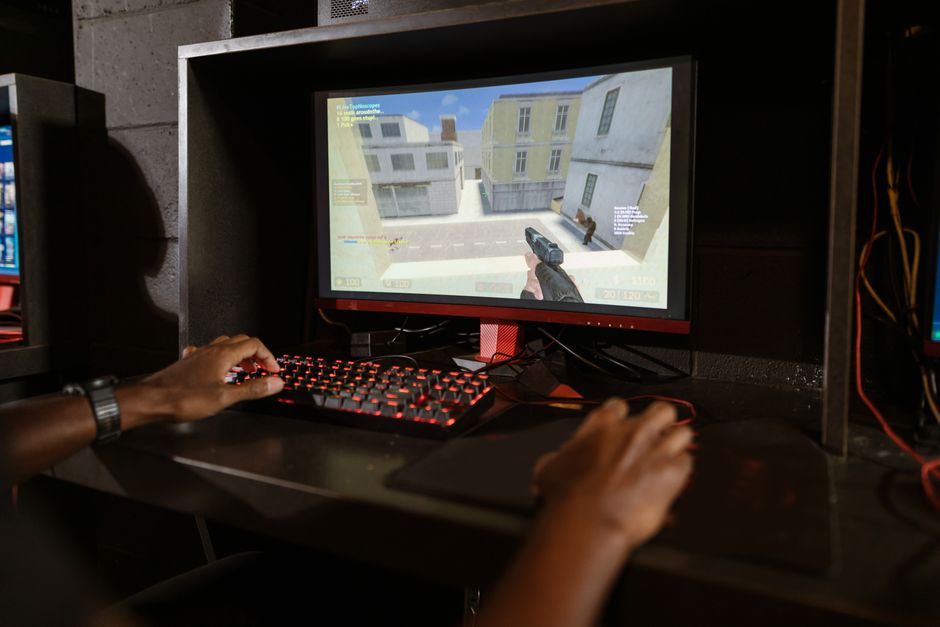
The sensor is the core of any FPS gaming mouse. Look for optical sensors with a high IPS rating (400+ inches per second) and acceleration of 40G or more. These specs ensure the mouse can track fast flicks without spinning out. Avoid sensors that rely on interpolation to reach high DPI values; native DPI steps are more stable. Lift-off distance should be adjustable or preset low to prevent unwanted cursor movement when you lift the mouse.
When comparing sensors, check for angle snapping or prediction features, which can interfere with precise aiming. Most modern gaming mice from reputable brands use flawless sensors, but older models may still have issues. Always verify the sensor model (e.g., PixArt PMW3360, Logitech Hero 25K, Razer Focus Pro) and read user reviews for real-world tracking performance.
Build Quality, Weight, and Ergonomics
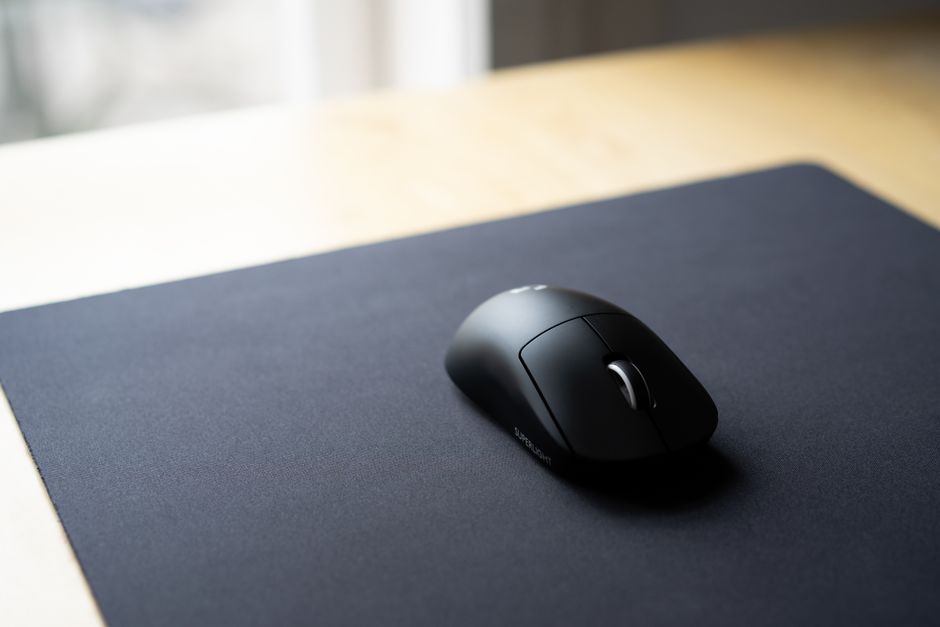
Weight affects how quickly you can start and stop your mouse. For FPS games, lighter mice (under 80g) allow faster movements and reduce fatigue during long sessions. However, some players prefer a heavier mouse with adjustable weights for stability. The shell material and grip texture also matter: rubberized sides provide better control, while smooth plastic can become slippery. Ergonomic shapes like those designed for right-handed claw or palm grip can improve comfort over hours of play.
Durability is another factor: switches rated for 60 million clicks or more ensure longevity. Wired mice with braided cables reduce drag, while wireless mice need sturdy build to withstand drops. Consider the mouse’s size and shape relative to your hand size and grip style. Many manufacturers offer multiple sizes or ambidextrous designs.
Connectivity: Wired vs Wireless
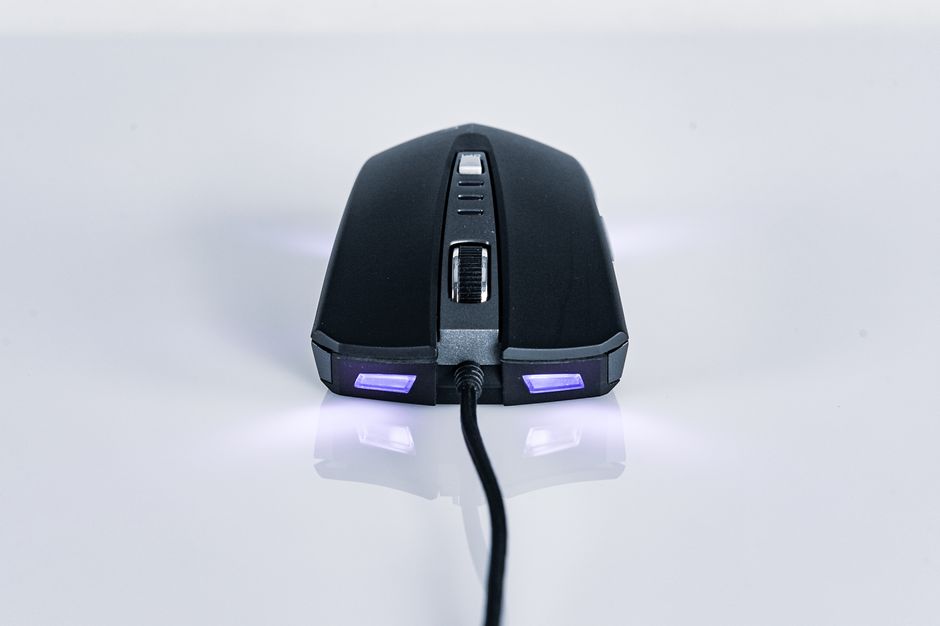
Wired mice offer the lowest possible latency and never need charging. They are ideal for competitive players who cannot afford any input delay. However, the cable can create drag, and some players dislike the feeling of being tethered. Modern wireless mice using 2.4GHz technology (like Logitech Lightspeed or Razer HyperSpeed) achieve sub-1ms latency, matching wired performance. Bluetooth is less suitable for competitive FPS due to higher latency and interference. Battery life is a key consideration: some wireless mice last 250 hours on a single AA battery, while others need recharging every few days.
For most FPS players, a high-quality wireless mouse is now a viable option. The trade-off is weight (wireless mice often include a battery) and cost. If you play in a clutter-free setup, wired remains a solid choice. If you value freedom of movement, invest in a wireless mouse with a low-latency protocol and long battery life.
Programmable Buttons and Software
Extra buttons can be assigned to in-game actions like grenades, melee, or push-to-talk. For FPS games, too many buttons can be distracting; most players prefer 5-6 programmable buttons. On-board memory allows you to save profiles directly to the mouse, so your settings travel with you without needing software. RGB lighting is a personal preference but can add to the aesthetic. Software suites like Logitech G Hub, Razer Synapse, and SteelSeries GG enable deep customization of DPI stages, polling rate, and button mapping.
Consider whether the software is lightweight and easy to use. Some software runs in the background and can affect system performance. On-board memory eliminates the need for software after initial setup. For competitive players, minimal software interference is preferred.
Maintenance and Long-Term Value
Gaming mice with replaceable feet and easy-to-clean surfaces last longer. Glide pads wear out over time, affecting sensor performance. Some manufacturers include extra mouse feet in the box. Wireless mice require battery replacements or charging cycles; models with USB-C charging are more convenient. Warranty and customer support are also important: reputable brands offer 2-year warranties and responsive service. Investing in a slightly more expensive mouse with better build quality often saves money in the long run.
Which Best Fps Gaming Mouse Sensor Is Right for You?
Budget-Conscious Competitive Players: If you want reliable sensor performance without breaking the bank, the Logitech G305 Lightspeed Wireless Gaming Mouse – Black offers a 12,000 DPI sensor, 250-hour battery life, and 6 programmable buttons at an affordable price. Its lightweight design and on-board memory make it a solid choice for FPS games.
Wireless Enthusiasts Seeking Premium Performance: The Razer Viper V3 HyperSpeed Wireless PC Gaming Mouse, 82g, Black features a 30K DPI optical sensor, up to 280-hour battery life, and mechanical switches Gen-2. Its 82g weight and HyperSpeed wireless technology deliver lag-free performance ideal for competitive play.
Ultralight FPS Specialists: For those who prioritize weight, the SteelSeries Esports FPS Gaming Mouse – Ultra Lightweight 69g – Prime Edition weighs only 69g and uses a TrueMove Pro sensor with 18K CPI. Magnetic optical switches and 5 programmable buttons keep it simple and fast. This mouse is built for players who want the lightest possible feel.
Versatile All-Rounders: The Razer Basilisk V3 Customizable RGB Wired Ergonomic Gaming Mouse, Black combines a 26K DPI optical sensor with 11 programmable buttons, a HyperScroll tilt wheel, and Chroma RGB lighting. Its ergonomic shape and adjustable features suit players who want both performance and customization.
How We Choose These Products
We do not test products ourselves. Every product on this page comes from the catalogues of the retail and affiliate networks we work with, and the order reflects the data those catalogues publish: manufacturer specifications, customer rating and review counts, current price and the size of any discount.
Where this guide describes how a product performs, it is summarising what the manufacturer states and what customers report in public reviews, not our own measurements. Prices and availability change often, so check the retailer’s own page before buying. We earn a commission on purchases made through our links, at no extra cost to you.
Related Guides
- Best Fps Gaming Mouse Razer Worth Buying in 2026
- Best Fps Gaming Mouse Palm Grip Worth Buying in 2026
- Best Gaming Mouse and Keyboard Combo Pcmr Worth Buying in 2026
FAQs
What DPI setting is best for FPS games?
Most professional FPS players use DPI between 400 and 1600, with a low in-game sensitivity. Higher DPI can introduce jitter and make fine adjustments harder. Choose a sensor with native DPI steps in this range for the best performance.
Is wireless gaming mouse latency noticeable in competitive FPS?
Modern wireless mice using 2.4GHz technology (like Logitech Lightspeed or Razer HyperSpeed) have latency as low as 1 ms, which is indistinguishable from wired. For most players, wireless is a viable option. Bluetooth wireless mice have higher latency and are not recommended for competitive play.
How important is mouse weight for FPS aiming?
Lighter mice (under 80g) allow faster flicks and reduce fatigue during long sessions. However, some players prefer heavier mice for stability. It is a personal preference: try different weights to see what feels best for your aiming style.
What does lift-off distance mean and why does it matter?
Lift-off distance (LOD) is how high you need to lift the mouse before the sensor stops tracking. A low LOD prevents cursor drift when you reposition the mouse. Many gaming mice allow you to adjust LOD in software. For FPS games, a low LOD is preferred.
Can I use a gaming mouse for both work and FPS gaming?
Yes, many gaming mice have adjustable DPI and programmable buttons that work well for productivity. However, some gaming mice have aggressive styling or RGB lighting that may not suit an office environment. Consider a more neutral design if you plan to use it for both.
How do I clean and maintain my gaming mouse sensor?
Use a soft, lint-free cloth to wipe the sensor window. Avoid using liquids directly on the sensor. Clean the mouse feet regularly to ensure smooth gliding. If the sensor becomes erratic, check for dust or hair on the lens. Most sensors are sealed and require minimal maintenance.
Final Verdict
After evaluating 10 best fps gaming mouse sensor models across a $25.95 – $68.49 price spectrum, we found options that cater to every type of FPS player. From ultra-lightweight wired mice to long-lasting wireless performers, the 2026 market offers excellent choices for improving your aim.
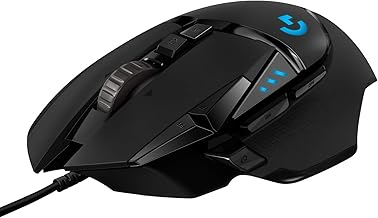
Our top overall pick is the Logitech G502 Hero Wired Gaming Mouse – Black. Its Hero 25K sensor delivers flawless tracking up to 25,600 DPI, adjustable weights let you dial in the perfect balance, and 11 programmable buttons with on-board memory provide deep customization. This mouse combines proven sensor technology with versatile features that suit both competitive and casual FPS gamers.
For the best value, the Logitech G305 Lightspeed Wireless Gaming Mouse – Black offers exceptional wireless performance and battery life at a low price. If you prefer an ultralight design, the SteelSeries Esports FPS Gaming Mouse – Ultra Lightweight 69g – Prime Edition is a top contender. And for wireless enthusiasts who want the latest sensor, the Razer Viper V3 HyperSpeed Wireless PC Gaming Mouse, 82g, Black provides 30K DPI and 280-hour battery life. No matter your budget or preference, there is a best fps gaming mouse sensor that will elevate your game.


Join the discussion