1
Best Classroom 3d Printers Compared and Ranked in 2026

By admin
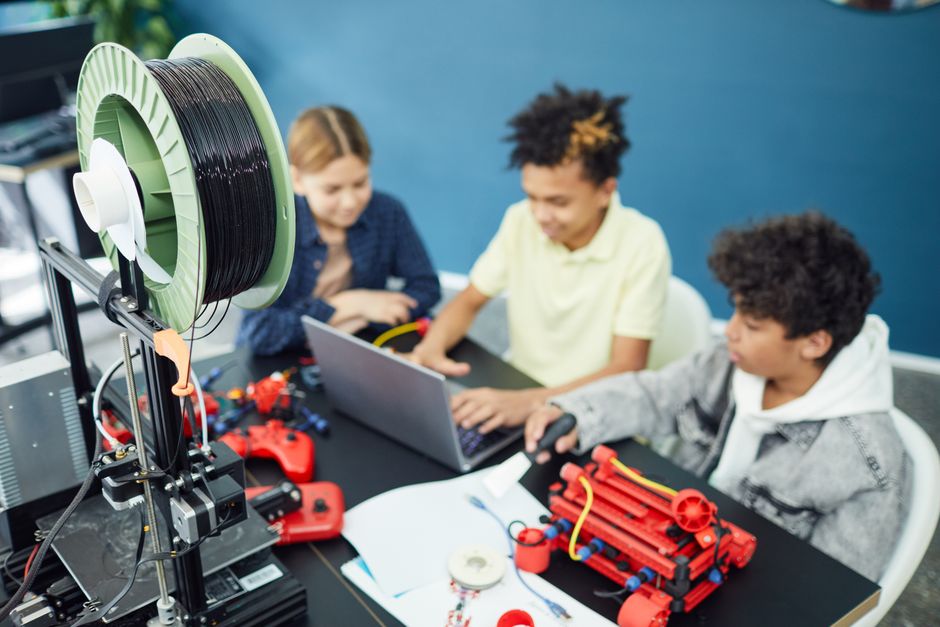
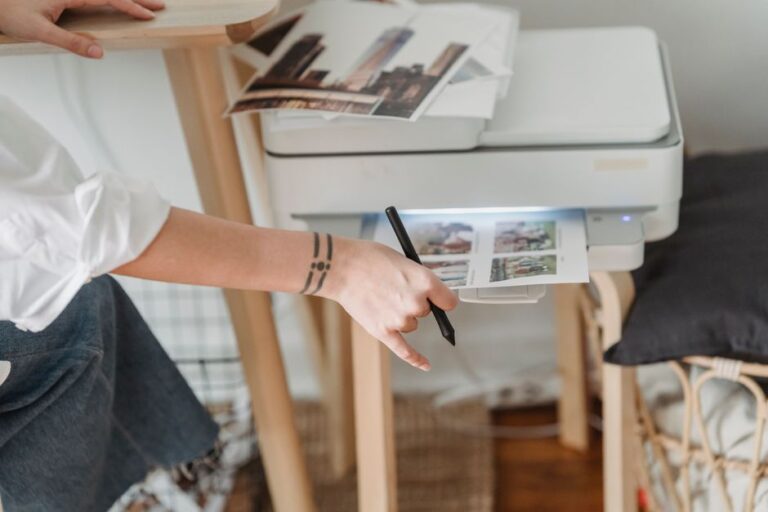
Photo by Vanessa Loring
Why Classroom 3D Printing Matters in 2026
Imagine a student design that fails to print minutes before the class demo. The nozzle drags, the build plate shifts, and another lesson plan falls apart. That is the reality in many schools where outdated or misconfigured machines turn a promising STEM activity into frustration. A dependable best classroom 3d printers solves that problem before it starts.
Choosing the right printer affects more than grades. When the machine works reliably, students stay engaged, projects stay on schedule, and teachers can focus on design thinking instead of troubleshooting. When it does not, class time disappears, materials get wasted, and interest in making fades quickly. The right machine keeps a classroom moving from one project to the next.
Good classroom printers share several qualities. They should be easy to set up, ideally with automatic leveling so beds do not require constant manual adjustment. They should print quickly enough for a single class period, with a build volume that fits common student projects. They should also be safe for young users, with enclosed frames or low emission materials, and they should handle maintenance without demanding an engineering degree.
In 2026, the market offers more options than ever across a wide price range. You can find compact starter models for small budgets and fast multi-color systems for ambitious makerspaces. Prices span roughly $109.99 – $349.00, and brands including and others compete on speed, reliability, and ease of use. The trade-offs usually center on build volume, filament flexibility, and how much supervision the printer needs.
This guide evaluates 10 popular models for classroom use. We look at setup time, print speed, safety, filament options, and overall value. In the sections below, you will find a detailed buying guide, specific recommendations for different teaching environments, our research methodology, answers to common questions, and a final verdict.

2

3

4

5

6

7

8

9

10

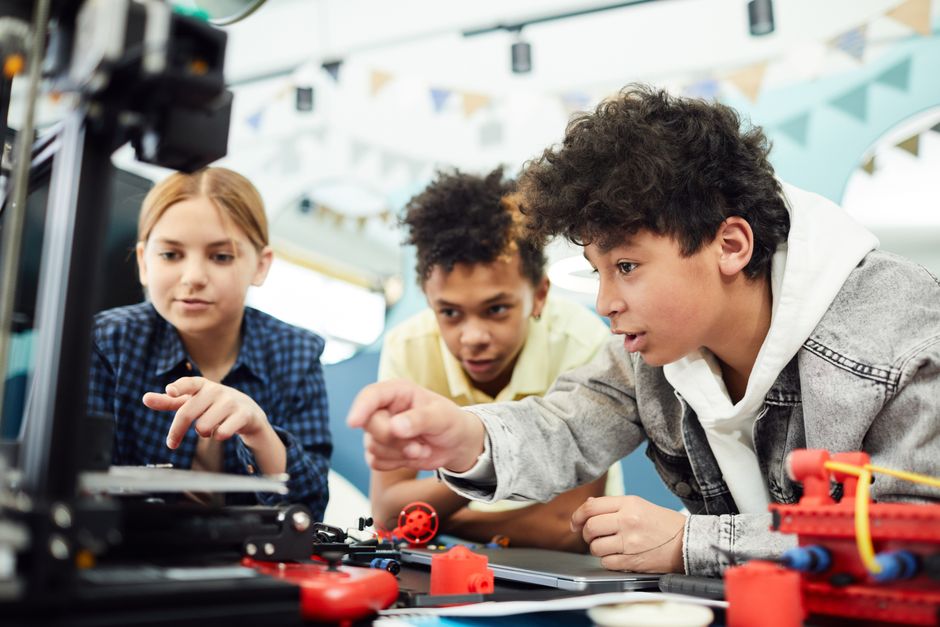
Best Classroom 3d Printers Buying Guide
Before choosing a printer, focus on the factors that impact daily classroom use. A machine that is fast but hard to monitor can be just as disruptive as one that is safe but slow. These criteria will help you weigh the trade-offs.
Ease of Use and Setup
An intuitive machine is the difference between a 20-minute setup and a full-period struggle. Look for automatic bed leveling, guided first-run wizards, and touchscreens or app control. Fully assembled models remove the most common source of early frustration, especially in schools where no dedicated technician exists.
Compare how many steps are required between unboxing and first print. Some printers need manual nozzle alignment or careful filament loading, while others handle these tasks automatically. For busy teachers, minimize any process that requires daily adjustment.
Safety Features and Enclosure
Classrooms have unique safety needs. A printer with an enclosed chamber protects curious fingers from hot nozzles and moving belts. It also keeps fumes and small particles away from students. Look for low-noise operation, stable frames, and filament systems that reduce exposed hot ends.
Schools should also review ventilation and seating distance. FDM printers use heated materials that can produce odors, so place machines away from high-traffic areas. For more guidance on safe technology use, see the ISTE standards for educators.
Print Speed and Build Volume
Class periods are short, so speed matters. Higher-speed machines can finish small projects in under an hour, while slower models may require multiple sessions. Build volume is equally important: a 100mm cube limits projects to small figures and simple parts, while a 220mm cube fits larger functional prototypes.
Balance speed with quality. A printer that moves too fast can lose detail on small curves. Look for a solid frame and reliable extrusion system that keeps high-speed prints accurate enough for classroom grading.
Filament Compatibility and Material Options
PLA is the safest and most common classroom filament, but flexibility matters. Some printers accept TPU for soft parts, PETG for stronger pieces, or higher-temperature materials that require hardened nozzles. More options mean a single machine can support a broader curriculum.
Check whether the printer uses an open filament standard or a proprietary cartridge. Open systems let teachers choose budget-friendly spools and experiment with new materials. Proprietary systems are simpler for younger students but can raise long-term cost.
Maintenance and Long-Term Value
School printers face heavy use, so durability and serviceability are critical. Detachable nozzles make clearing clogs easy, and auto filament refill reduces waste. A printer that relies on proprietary spare parts can become expensive, while models with common components are easier to repair locally.
Plan for replacement parts like build plates and nozzles. PEI plates offer better adhesion and are easier to clean. A small camera or quiet printing can also help teachers monitor multiple machines without standing nearby.
Which Classroom 3D Printer Is Right for You?
Based on our comparison, here are the best matches for common classroom profiles. Each pick pairs a specific teaching need with a model that fits it well.
For a compact classroom with a tight budget, the Portable 3D Printer – Compact FDM 3D Printer with Removable Build Plate, PLA & TPU Filament Compatibility, 0.4mm Nozzle, 100x100x100mm Build Volume, Easy-to-Use Design for Beginners is a practical starting point. Its small footprint fits crowded desks, and the removable build plate makes cleanup simple. The 0.4mm nozzle handles fine detail, while PLA and TPU support a range of beginner projects.
Teachers who want zero assembly hassle should consider the Entina Tina2C 3D Printer for Beginners, Fully Assembled Starter Mini 3D Printer, Start in 8 Mins, App & WiFi Control, Auto Leveling, 3500+ Model Library, 25+ Creative DIY Modules for STEM, Home. It promises first print in about eight minutes, which is ideal for a class period. The built-in model library and creative DIY modules give teachers ready-made lessons without hunting for files.
For elementary classrooms where safety is the top concern, the One-Click WiFi App Control, Leveling-Free 3D Printer, 8 PLA Filaments, STEM Toy Gift for Home & School, X-MAKER JOY AI+ AOSEED AI 3D Printer for Kids, Fast 400mm/s, 12,000+ Models, Enclosed Safe stands out. The enclosed design keeps hot parts out of reach, and leveling-free technology removes a common point of failure. With 8 PLA filaments included and over 12,000 models, it is a low-supervision option for younger students.
Makerspaces and upper-grade classrooms should look at the FLASHFORGE AD5X Multi-Color 3D Printer, CoreXY 600mm/s High-Speed, 1-Click Auto Leveling, 300°C Direct Drive Extruder, 220x220x220mm Build Volume, Ideal for Precision and Efficiency. The CoreXY frame supports high-speed printing without sacrificing rigidity, and the 300°C direct drive extruder opens the door to more advanced materials. A 220x220x220mm build volume provides room for ambitious engineering projects.
How We Choose These Products
We do not test products ourselves. Every product on this page comes from the catalogues of the retail and affiliate networks we work with, and the order reflects the data those catalogues publish: manufacturer specifications, customer rating and review counts, current price and the size of any discount.
Where this guide describes how a product performs, it is summarising what the manufacturer states and what customers report in public reviews, not our own measurements. Prices and availability change often, so check the retailer’s own page before buying. We earn a commission on purchases made through our links, at no extra cost to you.
Related Guides
- Best Chrome Google Cloud Printers Worth Buying in 2026
- Best Classroom 3D Printers Worth Buying: Cheqap 3D Printers in 2026
- Best Memory Color Laser Wireless Printers Worth Buying in 2026
FAQs
How long does it take to set up a classroom 3D printer?
Most beginner-friendly models are designed for quick setup, with some reaching first print in minutes. Fully assembled machines with automatic leveling remove the hardest part of initial configuration. Plan for 15 to 45 minutes depending on the model and how much calibration it requires.
Which filament is safest for students to use?
PLA is the standard choice for classrooms because it prints at lower temperatures and produces minimal odor. It is also easy to remove from build plates and works well for most student projects. Some machines also support TPU for flexible parts, but PLA should be the starting point.
What build volume do students actually need?
Small printers with a 100mm cube are fine for keychains, badges, and simple figures. Larger volumes around 220mm make it possible to print phone stands, enclosures, and functional prototypes. Choose the volume based on the size of the projects in your curriculum.
Can one 3D printer handle a whole class of students?
A single printer can serve a class if projects are scheduled in batches, but speed and reliability become crucial. High-speed models finish parts faster and reduce queue times. Auto leveling and easy filament changes also keep a shared machine ready between students.
Are enclosed printers better for school environments?
Enclosed printers are safer because they keep hands away from hot nozzles and moving mechanics. They also help contain fumes and reduce noise. If your school has limited space, an enclosed machine with quiet operation is the safest choice.
How do I know if a 3D printer is a good value for my classroom?
Compare setup time, filament options, spare part availability, and print speed alongside the initial price. A lower-cost printer that needs constant adjustment is not a bargain. Look for automatic leveling, detachable nozzles, and a solid frame to avoid hidden maintenance costs.
Final Verdict
Across 10 products and a price range of $109.99 – $349.00, classroom buyers have strong options for every budget and skill level. The key is matching the machine to your students, space, and class schedule.
Our top overall pick is the Creality SPARKX i7 Nano Combo 3D Printer, Multi Color with CFS Nano High Speed Pre-Assemble Auto-Leveling Auto Filament Refill Auto Feed & Retract 10.24×10.24×10 inch. It combines multi-color printing with an auto filament refill system, automatic leveling, and a large 10.24×10.24×10 inch build area. That combination makes it powerful enough for serious projects while still being easy enough for supervised classroom use.
For schools on a tighter budget, the Entina Tina2 Plus 3D Printer, 250mm/s Fast Printing 3D Printer for Beginners & Kids, WiFi & App Control, Fully Assembled, Auto Leveling, PEI Build Plate, Open Source Mini 3D Printers for Home & School delivers strong value with a PEI build plate, WiFi control, and 250mm/s printing. If quiet operation is a priority, the FLASHFORGE 5M Pro 3D Printer 600mm/s High Speed & Precision, Full-Auto Calibration with 0.4&0.6mm Nozzle Bundle, CoreXY Structure & Auxiliary Chamber Cooling, ≤50 dB Quite Printing Camera Printers offers full-auto calibration, auxiliary chamber cooling, and a sub-50 dB noise level, which makes it an excellent fit for libraries and shared rooms.


Join the discussion