A gig starts in 15 minutes, but your mixer is humming with feedback and the vocals sound thin. That panic is all too familiar for any live sound engineer or performer. A reliable best live music mixers can mean the difference between a flawless set and a night of frustration. In 2026, the options range from affordable compact boards to sophisticated digital consoles, each promising clean audio and intuitive control. The wrong choice can introduce noise, limit your routing, or fail under stage pressure. The right one becomes the backbone of your setup, letting you focus on the performance.
Live sound reinforcement is unforgiving. A poor mix can ruin the audience’s experience and strain your gear. With multiple instruments, vocal mics, and monitors to balance, you need a mixer that offers enough channels, reliable preamps, and flexible effects. Whether you are running a small coffeehouse show or a full band at a club, the mixer’s build quality and feature set directly affect your sound clarity and workflow. Investing in a capable unit saves you time during setup and avoids mid-show disasters.
A good best live music mixers should excel in several areas. Channel count matters: you need enough inputs for all your sources plus some spares. Preamps must be quiet and transparent to capture every nuance without adding noise. Effects like reverb, delay, and compression help polish the mix without external processors. Connectivity options such as USB recording, Bluetooth playback, and iPad control add modern convenience. Build quality ensures the mixer survives transport and rough handling. Ease of use is critical when you have seconds to adjust levels between songs.
In 2026, the market offers something for every budget, from under $2.00 – $509.00 to premium models exceeding $2.00 – $509.00. Brands like Behringer, Mackie, K-mxerpro and more dominate with proven reliability, but newer entrants also bring competitive features. The trade-offs are clear: cheaper units may cut corners on preamp quality or effects, while higher-end models provide advanced routing, recallable settings, and better build. Understanding these trade-offs helps you spend wisely on a mixer that matches your actual needs.
Our selection focuses on key criteria: audio quality, channel count, effects suite, connectivity, and overall value. Each product is assessed for live performance scenarios, from solo acts to full bands. Below you will find our detailed buying guide, product breakdowns, and final recommendations to help you make an informed decision.
The TENLAMP G10 Creator Audio Mixer Bundle is an all-in-one audio solution for streamers and podcasters, featuring a condenser microphone, built-in noise reduction, real-time audio controls, and a unique follow-singing mode. It offers clear sound, voice effects, and easy multi-device compatibility, making it a solid choice for beginners and intermediate creators.
Pros & Cons
Pros
Complete kit with everything needed for streaming and recording, saving time and money on separate purchases.
Noise reduction and real-time audio controls deliver professional-quality sound without complex software.
Multi-device plug-and-play support makes it easy to use with various platforms like OBS, Zoom, or TikTok.
Follow singing mode is a standout feature for live performers, setting it apart from basic mixers.
Cons
The included condenser microphone is adequate for beginners but may lack the clarity and depth of higher-end XLR mics.
Battery-powered operation can be inconvenient for long sessions; using the USB power option is recommended.
Build quality feels somewhat plasticky and may not withstand heavy travel or frequent setup changes.
Limited to two audio channels, so it may not suit advanced setups requiring multiple microphone inputs.
Detailed Review
The TENLAMP G10 Creator Audio Mixer Bundle is designed for streamers, podcasters, and content creators who want an all-in-one solution without the hassle of piecing together separate components. This kit includes an audio mixer, a condenser microphone with a desk stand, pop filter, and all necessary cables, making it a complete starter package.
In real-world use, the G10 delivers clear and balanced audio thanks to its built-in noise reduction. The mixer offers intuitive controls for bass, treble, reverb, and pitch, allowing you to tailor your sound for different scenarios. The follow singing mode is a unique feature that lets you monitor the original track privately while your audience hears only your voice and music, ideal for live karaoke or vocal performances. The voice changer and sound effects add a fun, interactive element for engaging your audience.
The build quality is decent for the price point, though the plastic construction may not feel as robust as professional-grade mixers. Setup is straightforward: connect the mixer to your computer or mobile device via USB or Bluetooth, and you are ready to go without installing drivers. The mixer also supports OTG connection for smartphones and tablets.
One limitation is that the included microphone is a basic condenser that works well for voice but may not satisfy those seeking studio-grade clarity. Additionally, the mixer relies on battery power for portable use, but you can use the included USB cable for continuous power. The two-channel input is sufficient for solo or dual-mic setups but limits expansion.
Overall, the TENLAMP G10 is a practical and affordable choice for beginners and intermediate creators who want a streamlined audio setup with useful features like noise reduction, real-time control, and follow singing mode. It is best for streamers, podcasters, and live performers who value ease of use and versatility over absolute audio fidelity.
Key Features
All-in-One Audio Setup: This bundle includes everything you need to start creating: an audio mixer, condenser microphone, stand, pop filter, and cables. No additional purchases required.
Clear, Balanced Sound with Noise Reduction: The built-in noise reduction helps minimize background noise, ensuring your voice comes through cleanly even in less-than-ideal environments.
Follow Singing Mode: A unique feature that allows you to hear the original track in your monitor while your audience hears only your voice and the music. Perfect for live singing and karaoke streams.
Voice Changer & Sound Effects: Switch between different voice styles and trigger effects like applause or laughter to make your streams more engaging and interactive.
Real-Time Audio Control: Adjust bass, treble, reverb, and pitch on the fly to match your content type, whether you are chatting, gaming, or performing.
Plug & Play Multi-Device Compatibility: Works with PC, Mac, iOS, and Android without drivers. Connect via USB, Bluetooth, or OTG for seamless integration with your favorite streaming and recording software.
Use Cases
Live Streaming: Use the G10 bundle to improve your audio quality on Twitch, YouTube, or Facebook Live. The real-time controls let you adjust sound on the go, and the voice changer adds entertainment value.
Podcast Recording: Record clear, professional-sounding podcasts with the noise reduction feature. The mixer's simple interface makes it easy to manage levels for solo or dual-host shows.
Gaming Communication: Enhance your in-game voice chat and commentary with crisp audio. The mixer allows you to balance game audio and your voice, and the sound effects can add fun reactions.
Online Teaching & Meetings: Improve clarity for virtual classrooms or business meetings. The noise reduction ensures your voice is heard clearly without distracting background sounds.
Music Practice & Performance: Use the follow singing mode to practice vocals with backing tracks, or perform live on platforms like TikTok Live with a clean mix.
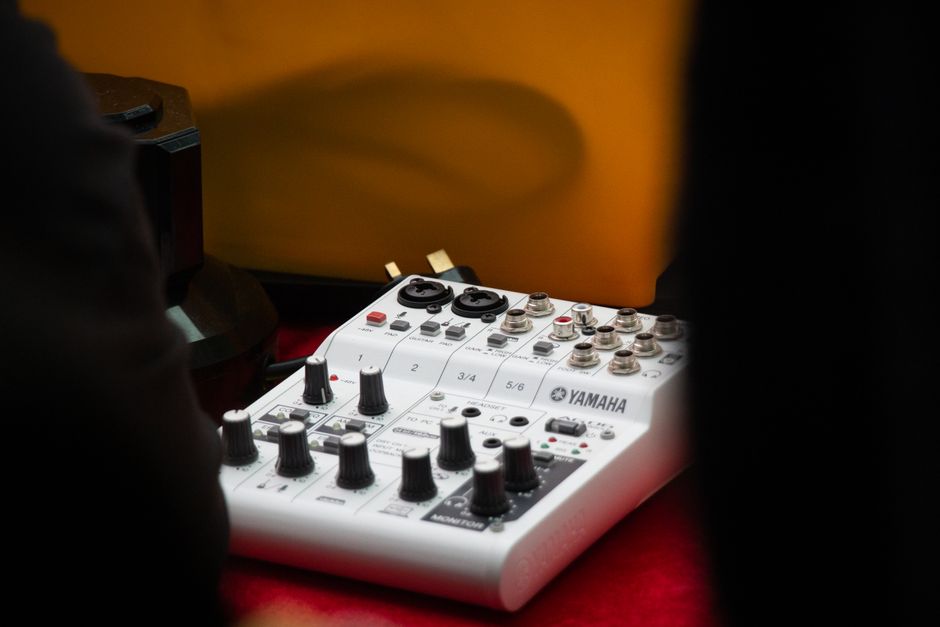
The Yamaha MG10XU is a 10-channel analog mixer with studio-grade D-PRE preamps, built-in SPX digital effects, and USB connectivity, delivering pristine sound quality and versatile control for podcasters, musicians, and mobile DJs.
Pros & Cons
Pros
Exceptional sound quality with low noise floor (equivalent input noise -128 dBu) for clean recordings
Intuitive layout and easy-to-use controls, even for beginners
Built-in USB interface works class-compliant with Mac/PC (no drivers needed) for hassle-free recording
Solid metal construction feels premium and road-ready
Cons
Only two channels have one-knob compressors; all four mic channels would be more versatile
No sweepable midrange EQ on any channel, fixed frequencies (100 Hz, 2.5 kHz, 10 kHz) limit tonal shaping
USB recording level is not adjustable via mixer controls; must rely on DAW for monitoring and level adjustment
Detailed Review
The Yamaha MG10XU is a 10-input analog mixer that bridges the gap between affordability and professional-grade performance. Designed for small studios, live sound, podcasting, and mobile DJ work, it pairs Yamaha's renowned D-PRE discrete Class-A preamps with a built-in USB audio interface and 24 digital effects (SPX). The result is a versatile, portable mixing solution that punches above its price point.
In real-world use, the preamps deliver exceptionally clean, natural sound, whether you're miking a vocalist, acoustic guitar, or drum kit. The one-knob compressors on channels 1–2 are a standout for quick dynamic control, especially for beginners. The built-in effects (reverb, delay, chorus) are musical and easy to dial in, though switching between them on the fly is slightly tedious due to the compact layout. The USB interface works seamlessly with any DAW (tested with Pro Tools, Logic, and Serato) and even with iPads using the appropriate adapter.
Build quality is excellent: a powder-coated metal chassis and robust knobs inspire confidence for regular transport. However, the mixer can get warm at the back during extended use, and the fixed EQ frequencies (no sweepable mid) may frustrate advanced users. Also, the USB recording level is not controllable from the mixer, you must adjust in your DAW, and the metering only shows the stereo bus post-level control, not the USB send.
Despite these quirks, the MG10XU is a top recommendation for podcasters needing multiple mic inputs, home studio owners wanting an all-in-one interface, and mobile DJs requiring a compact, reliable mixer. If you need extensive EQ shaping or a fully independent monitor mix, consider higher-end models. But for the price, this is a 'buy once, cry once' investment that delivers professional results.
Key Features
D-PRE Discrete Class-A Preamps: These premium preamps use an inverted Darlington circuit to provide fat, natural bass and smooth highs, capturing every detail of your source without coloration. You get studio-quality sound even in a compact mixer.
Built-in SPX Digital Effects: Choose from 24 high-quality effects (reverb, delay, chorus, flanger, etc.) to add polish to your mix. The dedicated return channel and send control let you blend effects precisely without external gear.
One-Knob Compressors (Channels 1-2): Quickly tame peaks and add punch to vocals, guitars, or drums. Ideal for live situations where you need instant dynamic control without diving into menus.
USB Audio Interface (24-bit/192 kHz): Connect to your computer or iPad via USB for two-track recording and playback. Class-compliant on Mac, no drivers needed on Windows (ASIO recommended for low latency). Perfect for podcasting, home recording, or streaming.
3-Band EQ and High-Pass Filter: Each channel features fixed-frequency EQ (High: 10 kHz, Mid: 2.5 kHz, Low: 100 Hz) plus an 80 Hz high-pass filter to eliminate rumble and low-end noise, giving you clean, controlled mixes.
Rugged Metal Chassis: The powder-coated steel body and impact-resistant design ensure the mixer survives the rigors of touring, mobile gigs, and studio life. Weighs 7.7 lbs, solid but still portable.
Use Cases
Podcasting & Streaming: The MG10XU is ideal for multi-mic podcast setups. Connect up to four XLR microphones, apply compression and effects, and send the mix directly to your computer via USB. The built-in headphone output with separate monitor level lets you hear yourself clearly without latency.
Home Studio Recording: Use the mixer as a front-end for your DAW. Record vocals, acoustic instruments, or line-level synths with pristine preamps. The USB interface handles 44.1–192 kHz sample rates, so you can capture high-resolution audio. The effects can be used during tracking or as a creative tool during mixing.
Mobile DJ Gigs: Compact enough to fit in a DJ bag, the MG10XU provides clean sound for small venues, weddings, and parties. Connect your DJ controller, microphones for announcements, and a backup music source. The dual outputs (Main and Monitor) let you send to speakers and a separate headphone or booth mix.
Live Sound for Small Bands: Perfect for coffee shop gigs, church services, or rehearsal spaces. With four mic/line inputs, stereo channels for keyboards or backing tracks, and built-in effects, you can run a full band mix without a rack of outboard gear.
Content Creation & YouTube: Streamers and video creators can route multiple audio sources (mic, game audio, music) through the mixer and record a clean stereo mix to their computer. The one-knob compressors help keep levels consistent without manual riding.
The Behringer XR18 is a versatile 18-input digital mixer with 16 MIDAS-designed preamps, built-in Wi-Fi, and 18x18 USB recording. Ideal for live sound and studio use, it offers pro-grade audio quality and tablet control for flexible mixing on the go.
Pros & Cons
Pros
Exceptional sound quality from MIDAS preamps rivals high-end consoles.
Seamless tablet integration with responsive, full-featured app.
Built-in Wi-Fi module works reliably without extra hardware.
Extensive I/O: 16 XLR inputs, 2 main XLR outs, plus TRS and aux outputs.
Affordable price point for a fully-featured digital mixer with recording capabilities.
Cons
No physical faders; all control is via tablet, which may be a learning curve for traditional users.
Built-in Wi-Fi range can be limited in large venues; a dedicated router may be needed for extended coverage.
USB audio interface limited to 18x18 channels; higher channel counts require external interfaces.
No onboard processing for standalone operation without a tablet.
Detailed Review
The Behringer XR18 is a powerful 18-input digital mixer designed for live sound reinforcement, recording, and studio applications. It features 16 programmable MIDAS-designed preamps that deliver exceptionally clean, low-noise audio, a hallmark of professional-grade consoles. The built-in Wi-Fi module allows direct connection to iPad or Android tablets via the X-AIR app, giving you full control over EQ, dynamics, effects, and routing from anywhere within range.
In real-world use, the XR18 shines in small-to-medium venues, rehearsal spaces, and house-of-worship settings. The 18x18 USB audio interface simplifies multi-track recording to a computer or iPad, making it a versatile tool for live albums or practice sessions. The Dugan-style auto-mixing feature (available via future firmware) intelligently manages microphone gain sharing, reducing feedback and engineer workload.
Build quality is solid for the price, with a metal chassis and robust connectors. At 7.1 pounds, it's portable enough for mobile setups. However, the lack of physical faders means you rely entirely on the tablet interface, this can be a drawback for those who prefer tactile control or need quick adjustments during a performance. Wi-Fi range is adequate for most rooms but may require an external router in larger spaces.
Overall, the Behringer XR18 offers exceptional value for musicians, sound engineers, and content creators who want a compact, feature-packed digital mixer with pro audio quality. It's best for those comfortable with tablet-based workflows and who need integrated recording capabilities.
Key Features
16 MIDAS Programmable Preamps: These preamps provide ultra-low noise, high headroom, and transparent gain, critical for capturing delicate acoustic instruments or powerful vocals without coloration.
Built-in Tri-Mode Wi-Fi Router: Eliminates the need for external network hardware. You can connect your tablet directly to the mixer for instant control, or use it as an access point for multiple devices.
18x18 Multi-Channel USB Audio Interface: Streams up to 18 inputs and 18 outputs over USB, enabling direct multi-track recording to your DAW or iPad without extra converters.
Dugan-Style Auto-Mixing: Automatically adjusts microphone gain sharing to maintain consistent levels and minimize feedback, especially useful for panel discussions, conferences, or multi-mic setups.
Comprehensive App Control: The X-AIR app offers full parameter control, including 4-band parametric EQ, compression, gates, and 8 stereo effects processors. You can create and recall scenes for different shows.
Versatile I/O: 16 XLR/TRS combo inputs, 2 XLR main outputs, 4 aux sends, and 4 TRS outputs provide flexibility for monitoring, effects loops, and subwoofer feeds.
Use Cases
Live Bands & Small Venues: The XR18 is perfect for mixing a full band in clubs, bars, or outdoor stages. Its 16 inputs handle drums, guitars, vocals, and keys, while the tablet control lets the sound engineer roam the room to dial in the mix.
House of Worship & Corporate Events: Auto-mixing and scene recall simplify managing multiple speakers or worship teams. The built-in recording capability captures sermons or performances for later podcasting or archiving.
Studio Recording & Podcasting: Use the XR18 as a multi-channel USB interface to record up to 18 tracks simultaneously. Its MIDAS preamps ensure clean captures for demos, live sessions, or remote recording setups.
Rehearsal Spaces: Bands can use the mixer for practice, recording rehearsals for review, and quickly adjusting levels via tablet without interrupting the flow.
Portable Systems: Lightweight and compact, the XR18 is ideal for mobile DJs, solo performers, or anyone who needs a high-quality mixer that fits in a backpack.
The K-mxerpro 8-channel mixer combines Bluetooth streaming, USB recording, and phantom power in a compact soundboard, making it a solid choice for podcasters, small gigs, and home studios. Its flexible inputs and built-in effects deliver clean, controllable audio without breaking the bank.
Pros & Cons
Pros
Versatile I/O: eight channels with XLR and 1/4-inch inputs, plus REC/TAPE and headphone monitoring, cover everything from vocals to keyboards.
USB recording and Bluetooth playback make it simple to capture sessions or stream music from any device without extra adapters.
Hands-on control with per-channel EQ, gain, and effects sends lets you shape your sound in real time, which is crucial for live performance.
Lightweight, low-profile housing and dust-resistant knobs add durability and portability for mobile musicians and content creators.
Cons
Basic 3-band EQ and simple reverb/delay effects are functional but not as deep as higher-end digital mixers, limiting advanced sound design.
No USB interface for multi-track recording, only stereo output to a computer, so it's better for live mixing than full studio production.
Some users may find the build quality less rugged than premium brands at this price point, requiring careful handling on the road.
Detailed Review
The K-mxerpro 8-channel mixer is a compact analog soundboard designed for musicians, podcasters, streamers, and anyone who needs to mix multiple audio sources in live or recording settings. It offers eight input channels with XLR and 1/4-inch connectors, plus Bluetooth and USB connectivity for playing and recording audio. The built-in 48V phantom power expands your mic options, allowing you to use studio condenser microphones for vocals and acoustic instruments.
In practice, this mixer handles small performances, podcast sessions, and home recordings with ease. The per-channel gain, 3-band EQ, and effects sends give you real-time control, while the LED peak indicators help you avoid clipping. Bluetooth streaming is handy for playing backing tracks from a phone, and the USB port can be used for direct recording to a flash drive or connecting to a computer for playback and recording. The headphone output with PFL monitoring allows you to cue individual channels before sending them to the main mix.
The chassis is thin and lightweight, making it easy to pack into a gig bag or keep on a desk. Sealed rotary controls resist dust, and the faders feel smooth. However, the build is not tank-tough; you should handle it with care when transporting to shows. The effects section is basic, just reverb and delay, so if you need deep processing or multi-track USB recording, this unit will feel limited. It's best suited for live mixing and simple stereo recording rather than complex studio production.
Overall, the K-mxerpro is a practical, budget-friendly mixer for solo performers, small bands, podcasters, and content creators who want a straightforward board with flexible inputs and wireless convenience. If you require advanced digital effects or multi-channel computer recording, you should look at higher-priced digital mixers instead.
Key Features
8-channel input section: Connect up to eight microphones, instruments, or line-level sources simultaneously. Each channel has gain, 3-band EQ, and a fader, giving you complete control over every input.
Bluetooth and USB audio: Stream music from your phone, tablet, or computer, or connect a USB flash drive for playback and direct recording of the main mix. This makes it effortless to incorporate backing tracks or capture live sessions.
48V phantom power: Power condenser microphones directly from the mixer, so you can achieve studio-quality vocal and acoustic recordings without an external preamp.
Effects (reverb and delay): Add space and depth to vocals or instruments with the onboard FX section. Use the send/return controls to blend effects per channel.
Monitoring options: The 6.5mm headphone jack and PFL/AFL switches let you solo and cue channels before they hit the main mix, essential for live performances.
Durable, portable design: The slim, dust-resistant chassis is easy to transport and maintains a clean look on stage or at home.
Use Cases
The K-mxerpro 8-channel mixer shines in several real-world scenarios:
Live streaming and podcasting: Connect a dynamic or condenser mic, add a second guest mic, and stream backing audio via Bluetooth from a phone. Use the USB port to record the session directly to a flash drive.
Small band or duo performances: Run vocals, an acoustic guitar, a keyboard, and a backing track through separate channels. Dial in EQ and effects per input, then send the main output to powered speakers.
Karaoke nights: Plug in microphones for singers and a media player for music. The effects add reverb to vocals, making performances sound more polished.
Home recording: Record a stereo mix to a computer via USB or to a USB stick. While it's not a multi-track interface, it works well for capturing live jams, demos, or voiceovers.
Meetings and presentations: Use it in a conference room to mix multiple microphones and computer audio, ensuring everyone can be heard clearly.
The Kaschun KX04 is a compact 4-channel audio mixer with Bluetooth streaming, USB recording, and 48V phantom power, ideal for podcasters, live streamers, and small event DJs who need versatile input options in a portable package.
Pros & Cons
Pros
Compact and lightweight for easy portability to any location
48V phantom power enables use with professional condenser microphones
Intuitive controls with smooth faders for quick adjustments during live events
Cons
Bluetooth is input-only, so you cannot stream audio from the mixer to wireless speakers
Sound quality is average compared to higher-end mixers, with some reviewers noting slight audio degradation
Lacks detailed printed instructions, which may frustrate first-time users
Detailed Review
The Kaschun KX04 4-Channel DJ Audio Mixer is a budget-friendly, compact solution for content creators, podcasters, and small-event DJs who need a versatile mixing board without breaking the bank. Designed for portability, it measures just 7.87 x 6.7 x 1.57 inches and weighs under 1.5 pounds, making it easy to toss into a backpack for mobile gigs, camping trips, or live streams at outdoor locations.
In real-world use, the mixer delivers clean audio for microphones, instruments, and Bluetooth sources. The 48V phantom power allows you to use condenser mics for professional-sounding vocals, while the USB interface enables plug-and-play recording to a computer or direct MP3 playback from a flash drive. The Bluetooth function pairs quickly with smartphones or tablets for background music, but note that it only supports input, you cannot send the mixed audio wirelessly to speakers.
Build quality is decent for the price; faders and knobs feel slightly less premium than high-end models, but they function reliably. Some users reported missing instructions, so you may need to experiment with the controls or download a manual online. A few reviewers noted average sound quality compared to dedicated DJ controllers, but for karaoke, announcements, and casual mixing, it performs well.
Overall, the KX04 is a solid choice for budget-conscious podcasters, live streamers, and hobbyists who value portability and multiple input options. If you prioritize pristine audio quality or need Bluetooth output, consider spending more on a higher-tier mixer.
Key Features
Bluetooth Wireless Streaming: Stream music from your phone or tablet directly to the mixer for background tracks or intermission music, ideal for outdoor events where running cables is impractical.
USB Audio Interface & MP3 Playback: Connect to your computer via USB for instant recording or live streaming without extra drivers. The USB port also accepts flash drives for playing MP3 files, making it easy to queue songs during a campfire karaoke session.
48V Phantom Power: Powers condenser microphones, giving you clear, professional-grade vocals for podcasts recorded in a tent or live announcements at a trailhead gathering.
Multiple Input Channels: Four channels with XLR, 6.35mm, and RCA inputs let you mix microphones, guitars, keyboards, and line-level devices simultaneously, perfect for multi-source setups at outdoor parties or workshops.
Ultra-Portable Design: At just 1.57 inches tall and under 1.5 pounds, this mixer slides into any backpack, so you can bring professional audio control to remote campsites, beaches, or hiking basecamps without adding bulk.
Use Cases
Mobile Podcasting & Live Streaming: Pair the KX04 with a condenser mic and your laptop for on-the-go recording from a van, tent, or picnic table. The USB interface ensures low-latency monitoring, while Bluetooth lets you add background music from your phone.
Campfire Karaoke & Acoustic Jams: Connect a dynamic mic and a guitar or keyboard for impromptu performances. The compact size means it fits on a camp table, and the 48V phantom power supports better mics for clearer vocals around the fire.
Outdoor Events & Announcements: Use the mixer to blend announcements with background music at family reunions, church gatherings, or small weddings in a park. Multiple input channels allow you to switch between a wireless mic and a playlist from a tablet seamlessly.
Backpacking Content Creation: For adventure vloggers, the lightweight build and Bluetooth input let you record voiceovers while playing music from a phone, no heavy audio interface needed. Just pack a USB mic and this mixer for professional-sounding trail reports.
The Mackie ProFX10v3+ is a 10-channel analog mixer and USB audio interface with Onyx preamps, Bluetooth playback, and 24 effects. It's perfect for streamers, podcasters, and musicians needing a portable all-in-one mixing solution for live gigs or outdoor performances.
Pros & Cons
Pros
Onyx preamps provide exceptionally clean, low-noise audio for vocals and instruments, even in challenging outdoor environments.
Bluetooth input allows wireless playback from any device, making it easy to integrate backing tracks or interview guests without extra cables.
USB-C recording and playback offer seamless integration with computers for live streaming, podcasting, or multi-track capture.
GigFX+ effects engine with 24 studio-quality effects and tap delay gives you creative control without external pedals or processors.
Cons
Unpowered design requires an external power source; not ideal for remote locations without electricity or a generator.
No built-in speakers or battery option; you need separate monitors or headphones for monitoring, adding to gear load.
Learning curve for beginners: the channel layout and effects menu may be overwhelming for those new to mixing boards.
At $329.99, it's a mid-range investment; budget options exist for simple podcast setups, but this offers more flexibility for live sound.
Detailed Review
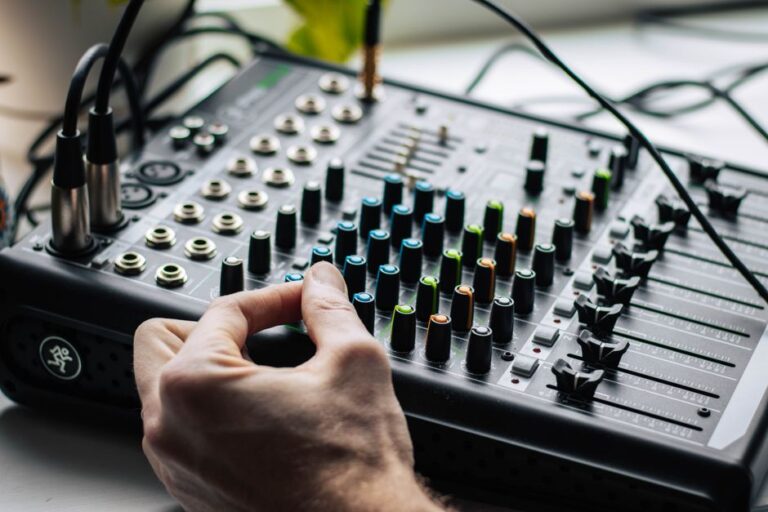
The Mackie ProFX10v3+ is a 10-channel analog mixer that doubles as a USB audio interface, designed for content creators, musicians, and live sound engineers who need a portable, all-in-one solution. With Onyx preamps, bidirectional Bluetooth, and the upgraded GigFX+ effects engine, this mixer excels in both studio and field applications.
In real-world use, the ProFX10v3+ shines during outdoor events like campfire concerts, backyard streamed shows, or remote podcasting sessions. The Onyx preamps deliver transparent, low-noise gain that captures vocals and acoustic instruments with clarity, even when ambient noise is present. The Bluetooth input is a game-changer for wirelessly playing backing tracks or taking phone interviews, reducing cable clutter on a portable setup. USB-C recording lets you capture two-track or multi-track audio directly to your computer, perfect for recording a live set or a podcast episode on the trail.
Build quality is robust: the steel chassis and sealed knobs feel durable enough for regular transport in a gear bag, though the mixer is not weatherproof. Weight at 4.9 pounds is reasonable for a 10-channel board, making it easy to pack for a weekend gig. The color LCD screen for effects is intuitive, but the 24 effects may require some menu diving to dial in quickly during a live performance.
Limitations include the lack of a battery option, you'll need a power source, which can be a constraint for truly off-grid use. Also, it's an unpowered mixer, so you'll need external powered speakers or headphones. For beginners, the array of knobs and switches can be intimidating, but the manual and online tutorials help flatten the learning curve.
Overall, the Mackie ProFX10v3+ is an excellent choice for outdoor performers, streamers, and podcasters who want professional sound quality in a portable package. If you need a battery-powered mixer for remote wilderness recording, look elsewhere; but for any event with access to power, this mixer delivers reliable, high-fidelity audio.
Key Features
Onyx Preamps: Each mic channel features Mackie's renowned Onyx preamps, offering ultra-low noise and high headroom. This means you can capture quiet acoustic guitar or a loud vocal without distortion, even in windy outdoor settings.
Bidirectional Bluetooth: Stream music from your phone to the mixer wirelessly, or send a clean mix-minus feed to a Bluetooth device for remote interviews. This eliminates cable trips and makes setup faster at outdoor events.
USB-C Recording & Playback: Connect to any computer via USB-C for two-track recording or playback. Use it as an audio interface for streaming software like OBS, or record directly to a DAW. The switchable modes let you choose between stereo mix or multi-track recording.
GigFX+ Effects Engine: 24 studio-quality effects including reverb, delay, chorus, and more, all adjustable via the color LCD screen. Tap tempo lets you sync delay to the beat of your performance, adding professional polish to any outdoor set.
Compact and Portable: At 4.9 pounds and dimensions of 10.7 x 3.3 x 11.9 inches, this mixer fits easily into a backpack or gear case, making it ideal for traveling musicians and mobile podcasters.
Use Cases
Outdoor Live Performances: Set up the ProFX10v3+ at a campfire concert, park gig, or backyard party. Use Bluetooth to play backing tracks from your phone, run up to four microphones and two instruments, and add reverb or delay for a professional sound. Record the entire set via USB to share online later.
Remote Podcasting: Take your podcast on the road. With Bluetooth, you can interview guests over the phone or stream audio from a laptop. The mixer's clean preamps ensure your voice sounds crisp even in a noisy outdoor environment. Use the headphone output for real-time monitoring.
Live Streaming from Nature: Stream a live Q&A, acoustic set, or wildlife commentary directly to platforms like Twitch or YouTube. Connect a couple of microphones and a camera, and use the USB interface to send high-quality audio to your streaming software. The effects can add ambiance to match the outdoor setting.
Band Practice or Small Venues: For a band rehearsing in a garage, barn, or outdoor shed, the ProFX10v3+ offers enough channels for drums (overheads), vocals, and DI instruments. The Bluetooth input lets you play along with tracks from a phone, and the USB recording captures rehearsals for review.
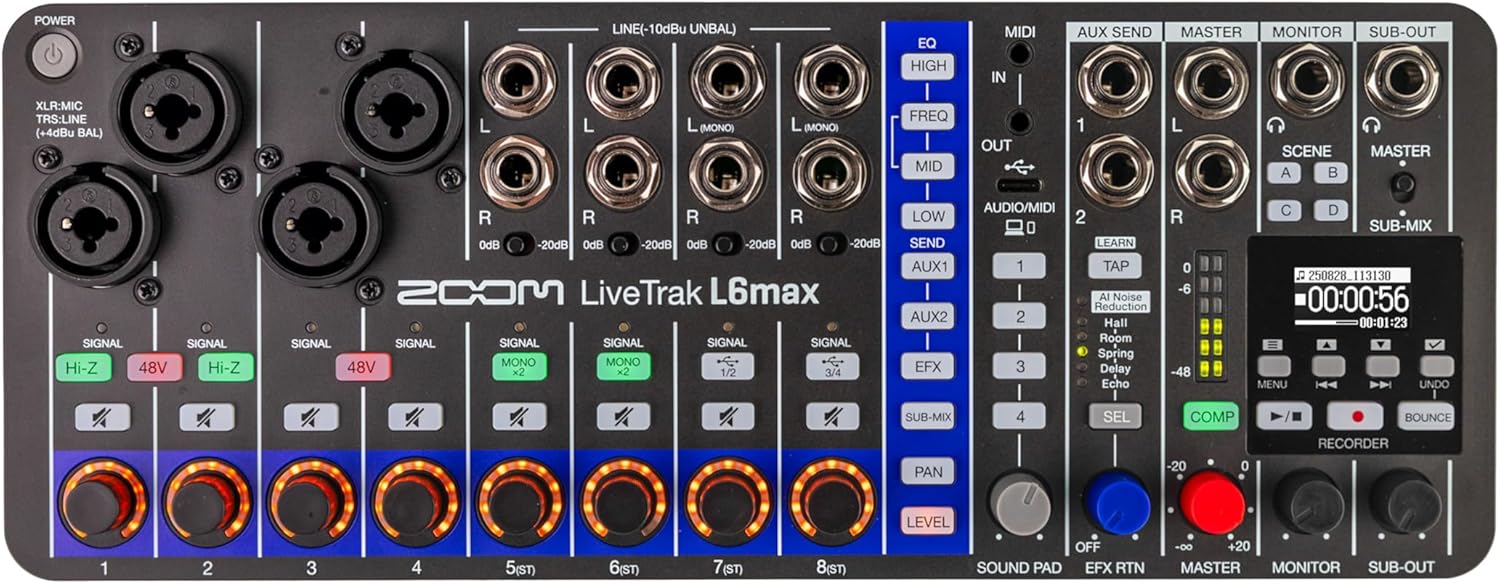
The Zoom LiveTrak L6max is a 12-channel, battery-powered digital mixer and multitrack recorder with 32-bit float audio, AI noise reduction, and sound pads. It is best for mobile musicians, podcasters, and live performers who need a compact, all-in-one rig that records clean multitrack audio without a computer.
Pros & Cons
Pros
12 channels and 14-track recording in a compact, battery-powered unit
32-bit float dual AD converters on channels 1-4 prevent clipping with extreme input levels
AI noise reduction cleans up background noise in real time, reducing post-production work
USB class-compliant audio interface works with many PCs and Macs without extra drivers
Intuitive layout with assignable rotary controls, scene storage, and built-in effects for quick live changes
Multiple power options including AA batteries, USB bus power, or a mobile battery pack
Cons
Official Windows ASIO driver has reported stability issues, requiring third-party workarounds like FlexASIO
Battery life is limited without connecting a USB-C power supply
32-bit float recording is available only on the four combo inputs, not on the eight stereo line inputs
Detailed Review
The Zoom LiveTrak L6max is a 12-channel digital mixer and multitrack recorder built for musicians, podcasters, and live streamers who need a portable, all-in-one solution. With four combo XLR/TRS inputs, eight stereo line inputs, and the ability to record 14 separate tracks to an SD card, it replaces multiple pieces of gear in a compact 2.2-pound chassis.
Unlike desktop-bound interfaces, the L6max runs on AA batteries, USB power, or a mobile battery pack, making it a dependable partner for location recording, outdoor jam sessions, or any gig where wall power is unreliable. The 32-bit float recording on channels 1-4 means you never have to stress about clipping when a vocalist suddenly belts or a drummer hits harder than expected. You can focus on the performance and sort out levels later.
The layout is easy to learn: a vertical button column assigns each channel's rotary knob to volume, pan, EQ, or effects, and scenes save your whole setup for instant recall between acts. The mic preamps are clean, the headphone amp is solid, and the jacks feel robust enough for regular travel and gig use.
There are honest drawbacks. The official Windows ASIO driver has caused freezes for some users, and a third-party driver like FlexASIO is sometimes needed. Battery life is also short when running on AAs alone, so plan to bring a USB-C power source for longer sessions. And if you need 32-bit float on every channel, note that only the four combo inputs offer it.
If you are a mobile musician, podcaster, or electronic artist who wants a compact mixer with serious recording capability and a short learning curve, the L6max is a fantastic choice. If you require 32-bit float on all inputs or depend on stable Windows drivers out of the box, consider your workflow carefully or budget for a workaround.
Key Features
12-Channel Mixing with 14-Track Recording: Connect four mics or instruments and eight stereo line sources, then record every input separately to SD cards up to 2TB. This gives you complete multitrack capture for live shows, rehearsals, or podcasts without needing a laptop.
32-Bit Float Dual AD Converters (Channels 1-4): Record extreme dynamics without clipping. Quiet dialogue and loud peaks both come through clearly, so you can skip constant gain adjustments during unpredictable performances.
AI Noise Reduction: Hum, hiss, and background noise are removed in real time while preserving the voice and instrument details. This is a huge time-saver when recording in noisy venues or untreated rooms.
Built-In Effects and 3-Band EQ: Add reverb, delay, compression, and EQ without external pedals or plugins. It helps you craft a polished sound quickly and carry less gear.
Sound Pads with MIDI Clock Sync: Trigger samples, jingles, and sound effects in sync with your MIDI gear. Perfect for electronic performances and live podcast intros.
Multiple Power Options: AA batteries, USB bus power, or a mobile battery pack let you record and perform anywhere. This is essential for field recordings, street performances, or remote sessions.
USB Audio Interface: Class-compliant USB connectivity supports 48kHz/24-bit streaming to a computer for live streaming or DAW recording. Many users find it works without installing drivers.
Use Cases
Live Band Rehearsal and Recording: Set up mics and instruments, hit record, and capture every channel separately. Later blend the tracks in your DAW to create a rough mix or a finished recording.
Mobile Podcasting: With four mic inputs and sound pads for intros, outro music, or listener questions, the L6max turns into a portable podcast studio. Battery power lets you record interviews in a car, coffee shop, or outdoors without hunting for an outlet.
Live Electronic Performance: Use the sound pads, MIDI clock, and effects sends to build a compact setup with drum machines, synths, and a microphone. The small footprint fits on a crowded desk or performance table.
Content Creation and Streaming: The USB audio interface connects to your computer for streaming, while the SD card recording serves as a high-quality backup. You can record your voice and game or instrument audio on separate tracks for easier editing.
Field Recording and Location Capture: The rugged, compact design and multiple power options make it suitable for recording rehearsals in unusual spaces, outdoor workshops, or quick interviews on the go. Just press record and keep the energy flowing.
Photo by K
Best Live Music Mixers Buying Guide
Channel Count and Input Flexibility
The number of channels determines how many microphones, instruments, and line sources you can connect simultaneously. For a solo singer-songwriter, four to six channels may suffice. A full band with drums, multiple guitars, keyboards, and backing tracks may require 12 to 18 channels. Beyond the count, look for combo jacks that accept both XLR and 1/4-inch inputs, as well as dedicated stereo channels for keyboards or playback devices. Some mixers offer aux sends for monitor mixes, which are essential for larger stages.
When evaluating, consider future expansion. It is better to have a few spare channels than to run out during a gig. Also check if the mixer provides direct outputs or subgroup buses for advanced routing. For more on setting up a live sound system, refer to the Sound on Sound guide on live mixing techniques.
Preamps and Audio Quality
The preamplifiers are the heart of any mixer. They boost low-level microphone signals to line level while preserving detail and minimizing noise. High-quality preamps offer a low noise floor, high gain before feedback, and a wide frequency response. Some premium models feature discrete components or digitally controlled analog circuits for consistency. For live use, preamps with a high maximum input level (headroom) prevent distortion from loud sources like snare drums or guitar cabs.
Listen for transparency: a good preamp should not color the sound. Compare specs like Equivalent Input Noise (EIN) and Signal-to-Noise Ratio (SNR). In-dash meters can help you set levels visually, but trust your ears during soundcheck. Avoid mixers that add hiss or unnatural harshness, especially at higher gain settings.
Effects and Signal Processing
Built-in effects can save rack space and simplify your rig. Look for a selection of reverbs, delays, choruses, and possibly compression. Some mixers include dedicated FX send knobs per channel and stereo returns. Digital mixers often provide a wide array of editable effects with presets. For live use, quick access to a few quality reverbs and delays is more important than a huge library. Also consider whether the effects can be bypassed or assigned in series/parallel.
Check the processor’s quality: cheap DSP may sound metallic or muddy. Demo the effects through your own headphones if possible. Some mixers offer per-channel EQ with sweepable mid frequencies, which is extremely useful for taming feedback or shaping tone on stage.
Connectivity and Recording
Modern mixers often double as audio interfaces via USB, allowing direct recording to a laptop or DAW. This feature is invaluable for capturing live shows or streaming. Bluetooth playback lets you play backing tracks or intermission music wirelessly. Check if the mixer supports multitrack recording or just a stereo mix. For tablet control, some digital mixers offer iPad or Android apps for remote mixing from the audience.
Physical connectivity includes balanced XLR outputs for main mix and monitors, as well as RCA or 1/4-inch line outputs. Phantom power (+48V) is essential for condenser microphones. Some units include digital outputs like AES/EBU or optical. Consider your existing gear and whether the mixer complements it.
Build Quality and Portability
Live mixers are moved frequently, so sturdy construction matters. Metal chassis, sealed knobs, and locking connectors add durability. Weight is a factor for small venues or one-person setups. Some compact mixers sacrifice features for lightness, while larger digital mixers may be heavy but offer more I/O. Check the fader feel: smooth, quiet faders with long travel improve fine adjustments.
Ventilation is important if the mixer runs hot under load. Look for units with adequate cooling and robust power supplies. Also consider whether the mixer has a carrying case or rack-mount options. A well-protected mixer lasts for years of touring.
Which Best Live Music Mixers Is Right for You?
For budget-conscious solo performers or podcasters who need an all-in-one solution with a microphone included, the TENLAMP G10 Creator Audio Mixer Bundle with Microphone for Streaming offers studio‑quality sound with noise reduction, voice effects, auto‑tune, and Bluetooth for streaming, podcasting, and singing. Its compact size and built‑in effects make it a practical choice for content creators on a tight budget.
Musicians and bands seeking a reliable analog mixer with proven sound quality will appreciate the YAMAHA MG10XU 10-Input Stereo Mixer with Effects. With a 4.6/5 rating from over 2000 reviews, this model delivers clean preamps, onboard effects, and USB connectivity. Its ten input channels accommodate small to medium live sets, and the rugged build ensures longevity on the road.
For advanced users who want total control and recall, the Behringer X AIR XR18 18-Channel, 12-Bus Digital Mixer for iPad/Android Tablets with 16 Programmable Midas Preamps, Integrated Wi‑Fi Module and Multi‑Channel USB Audio Interface stands out. Priced at $509.00, it offers 18 channels, digital processing, and remote mixing via tablet. The Midas‑designed preamps provide professional‑grade audio, and the built‑in Wi‑Fi eliminates cable clutter.
Home studio owners and live streamers looking for a versatile analog mixer with Bluetooth and USB recording should consider the Mackie ProFX10v3+ 10-Channel Mixer, Bluetooth + USB Recording, GigFX+. It features an analog mixer design for live streaming, podcasting, and band practice, with Bluetooth playback and USB recording. The GigFX+ effects engine adds studio‑quality reverb, delay, and chorus, making it a flexible tool for both live and recorded content.
Photo by Layla Yehia
How We Choose These Products
We do not test products ourselves. Every product on this page comes from the catalogues of the retail and affiliate networks we work with, and the order reflects the data those catalogues publish: manufacturer specifications, customer rating and review counts, current price and the size of any discount.
Where this guide describes how a product performs, it is summarising what the manufacturer states and what customers report in public reviews, not our own measurements. Prices and availability change often, so check the retailer’s own page before buying. We earn a commission on purchases made through our links, at no extra cost to you.
A typical five‑piece band with vocals, drums, guitar, bass, and keyboard may require at least 12 channels. Plan for two or three spare channels for backup instruments or additional microphones. If you plan to record simultaneously, consider a mixer with USB multitrack output.
Are digital mixers better than analog for live sound?
Digital mixers offer recallable settings, built‑in effects, and remote control via tablet, which can simplify complex setups. Analog mixers are often simpler to operate without a learning curve and may feel more immediate. The choice depends on your workflow, budget, and preference for tactile control versus flexibility.
Can I use a live music mixer for podcasting or streaming?
Yes, many live mixers double as audio interfaces via USB, making them suitable for podcasting and streaming. Look for models with direct USB recording, headphone monitoring, and mute buttons per channel. Built‑in noise reduction and voice effects can also enhance spoken word content.
What does phantom power do, and why is it important?
Phantom power (+48V) is required for condenser microphones and active DI boxes. Most live mixers include a global phantom power switch. Without it, condenser mics will not produce audio. Always check that your mixer supplies phantom power if you use condenser mics.
How do I prevent feedback during a live show?
Feedback occurs when a microphone picks up its own amplified sound from speakers. Use directional microphones, position speakers in front of the mics, and apply EQ to cut resonant frequencies. Many mixers include a high‑pass filter and sweepable mid‑frequency EQ to help notch out feedback without affecting overall sound quality.
What is the difference between a mixer and an audio interface?
A mixer combines multiple audio sources, allows level control, and often includes equalization and effects. An audio interface converts analog signals to digital for recording, typically offering clean preamps but limited mixing features. Many modern mixers integrate audio interface functionality, making them a one‑stop solution for live and recording use.
Final Verdict
In 2026, the best live music mixers market spans a wide range from budget‑friendly all‑in‑one bundles to professional digital consoles. Each model has its strengths, whether you prioritize simplicity, portability, or advanced digital control.
Our top overall pick is the Behringer X AIR XR18 18-Channel, 12-Bus Digital Mixer for iPad/Android Tablets with 16 Programmable Midas Preamps, Integrated Wi‑Fi Module and Multi‑Channel USB Audio Interface. It combines 18 channels, professional‑grade Midas preamps, and full remote control via tablet. The built‑in Wi‑Fi and USB multitrack recording make it incredibly versatile for live sound and recording. Its 4.6/5 rating and 720 reviews confirm its reliability and performance.
For the best value, the YAMAHA MG10XU 10-Input Stereo Mixer with Effects offers proven analog quality with onboard effects and USB connectivity at a reasonable price. For an all‑in‑one streaming solution, the TENLAMP G10 Creator Audio Mixer Bundle with Microphone for Streaming provides everything a podcaster or solo performer needs. Whichever you choose, the right mixer will elevate your live sound experience.
Nolan covers clothing and accessories, where seasonal markdowns arrive on a schedule and the same item can carry three different prices in a fortnight.



Join the discussion